Choosing to garden organically is more than a trend — it’s a deliberate shift toward healthier soil, safer food, and a more resilient neighborhood ecosystem. Why go organic? First, health: eliminating synthetic pesticides reduces chemical residues on vegetables and lowers exposure risks for children, pets, and adults. Habitat matters too; pesticide-free yards become safe staging grounds for birds, beneficial insects, and amphibians. There are hidden benefits as well: healthier soil retains moisture better, reduces runoff, and often yields tastier, nutrient-dense produce. An organic yard is also a quiet climate ally, storing carbon and lowering the need for energy-intensive lawn care.
The foundation of any successful organic garden is living soil. Build that life with composting, cover crops, and natural soil boosters. Start a simple compost pile or bin with kitchen scraps, yard trimmings, and occasional cardboard layers to create a steady supply of dark, crumbly humus. Mulch with compost to conserve moisture and feed microbes. In bare seasons, sow cover crops like clover, vetch, or rye to protect soil, fix nitrogen, and suppress erosion. For targeted boosts, incorporate aged manure, rock dust, or locally sourced compost tea to feed microbial communities. Avoid over-tilling; minimal disturbance preserves soil structure and the fungal networks that help plants access nutrients and water.
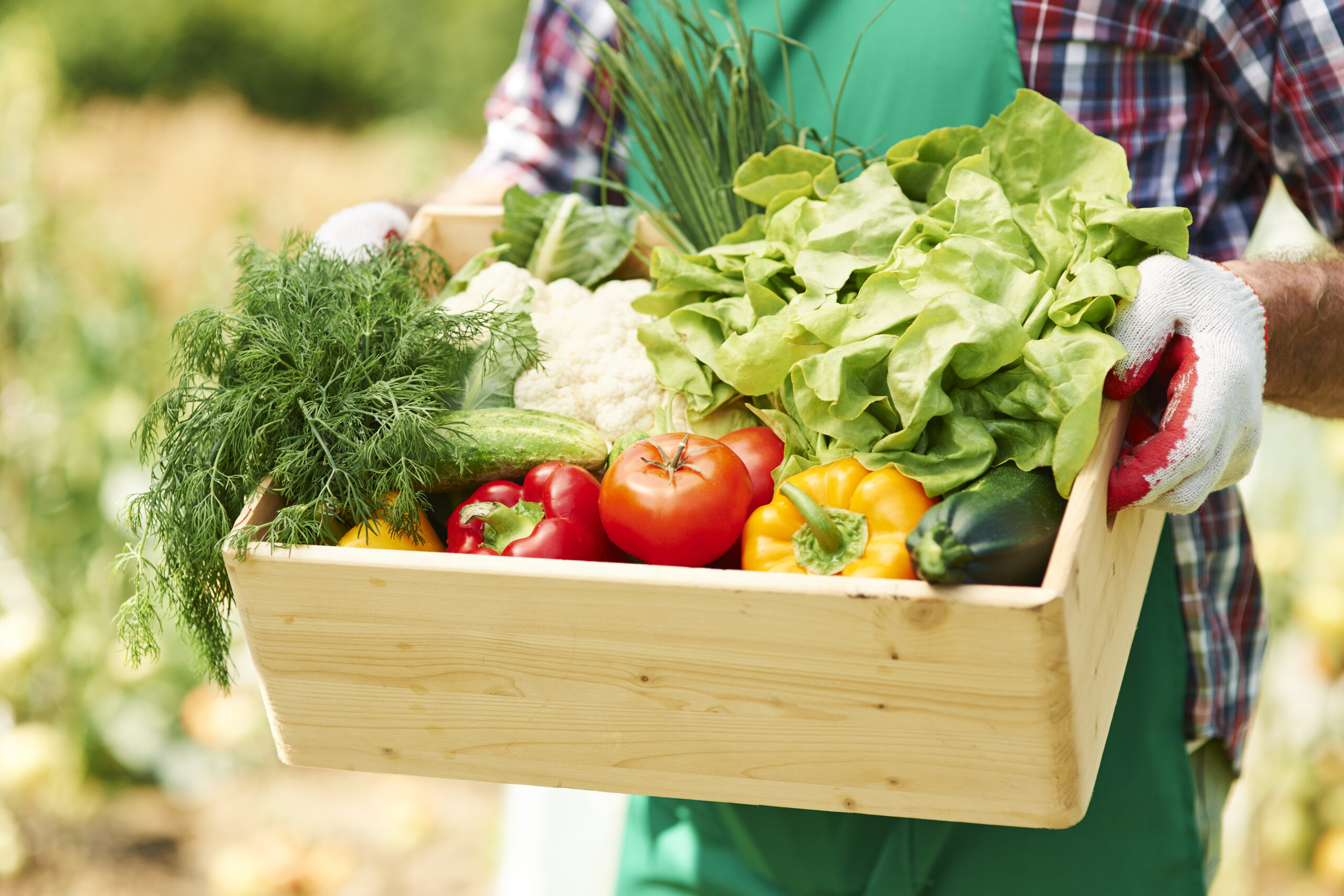
A pesticide-free yard thrives when it invites allies. Attract pollinators, predators, and biodiversity by planting a mosaic of native flowers, herbs, and shrubs that bloom at staggered times. Pollinators like bees, butterflies, and moths depend on continuous nectar sources, while predatory insects — ladybugs, lacewings, and parasitic wasps — need shelter and alternative prey. Add a shallow water source and some brush piles or a log stack for amphibians and ground beetles. Leave a corner of your yard a bit wild; native grasses and seed heads provide winter habitat and food. The richer the web of life you support, the more self-regulating your garden becomes.
Organic pest and weed control is practical, strategic, and surprisingly low-tech. Start with prevention: choose disease-resistant plant varieties, rotate crops, and maintain vigorous plants through proper feeding and watering. Hand-removal and targeted mulching keep weeds in check. When pests appear, employ physical barriers like row covers, sticky traps, or collars for stems. Encourage biological control by releasing or conserving beneficial insects. Homemade sprays such as soapy water, neem oil, or horticultural oils can manage outbreaks without lasting environmental harm — use them carefully and sparingly. For stubborn problems, consider spot treatments rather than broad applications and combine tactics for long-term balance.
An organic yard isn’t a museum of perfection — it’s a living system that evolves, adapts, and rewards patience. With richer soil, a chorus of helpful wildlife, and thoughtful, non-toxic techniques, you can cultivate a pesticide-free paradise that nourishes you and the natural world. Start small, learn from each season, and celebrate the tiny victories — a single tomato, a hummingbird sighting, less chemical smell — and you’ll watch your yard transform into a layered, living refuge. Enjoy the journey and share tips freely.
Popular Questions
How can you transform your yard into a pesticide-free paradise with organic gardening?
Begin by replacing synthetic pesticides with prevention-focused practices such as healthy soil, crop rotation, mulch, and closely spaced companion plants. Remove diseased leaves, handpick larger pests, and use barriers like row covers when appropriate. Choose organic-approved treatments only when necessary, and follow their labels carefully to protect beneficial insects.
What should you use instead of pesticides for an organic gardening yard?
Use compost to improve plant vigor, mulch to suppress weeds, and insect netting to keep common pests away from plants. A strong spray of water can dislodge aphids, while hand removal works well for caterpillars and beetles. Encourage ladybugs, lacewings, birds, and pollinators by planting diverse flowers and avoiding broad-spectrum treatments.
How do you prepare soil for a pesticide-free organic gardening paradise?
Test the soil before planting so you can address nutrient or pH problems accurately. Add finished compost and other approved organic amendments rather than relying on quick-release synthetic fertilizers. Keep the soil covered with mulch, avoid unnecessary digging, and water deeply at the plant roots to support resilient growth.
How can you control weeds while transforming your yard with organic gardening?
Pull weeds while they are small, removing as much of the root as possible before they produce seeds. Apply a two- to four-inch layer of organic mulch around established plants, keeping it slightly away from stems and trunks. For larger areas, use cardboard beneath mulch or plant dense ground covers to reduce exposed soil and limit new weed growth.