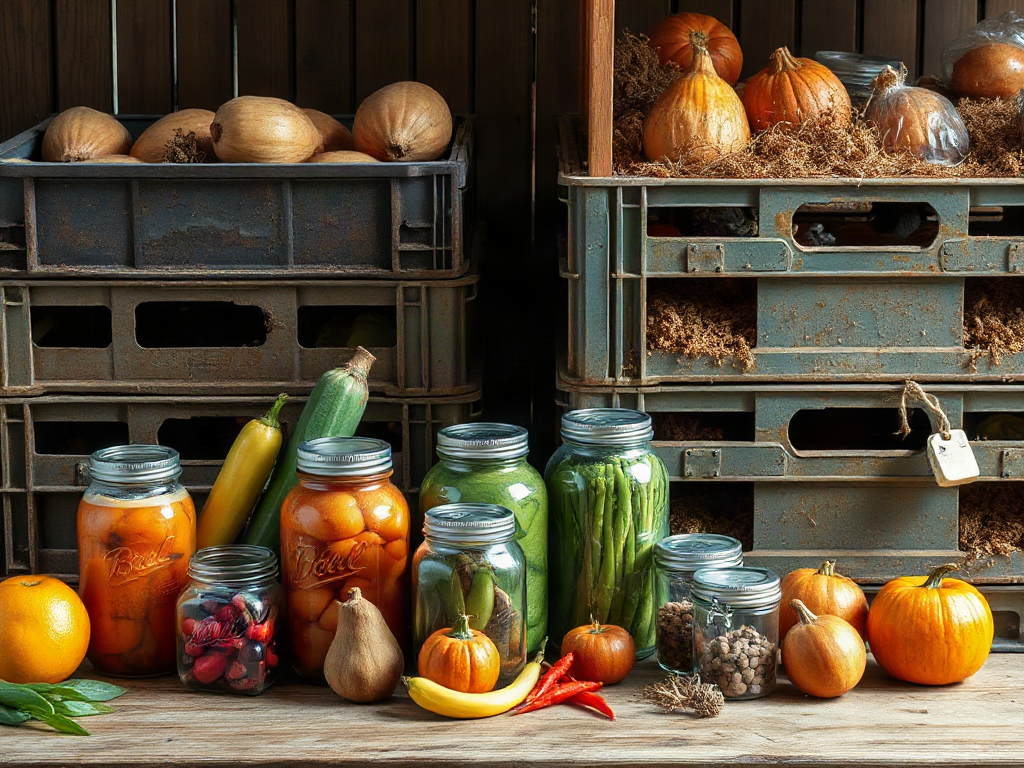
Preventing cross-contamination during farm food preservation means keeping soil, raw animal products, dirty equipment, hands, wash water, and finished foods from carrying contaminants into a prepared batch. Separate incoming produce from cleaned ingredients, assign clean utensils and work surfaces to each processing stage, and wash hands whenever tasks change. Use potable water, inspect jars and equipment, follow a tested preservation recipe, and clean before applying a sanitizer according to its label. Discard food exposed to broken glass, pests, sewage, chemicals, or uncertain processing conditions rather than relying on reheating, smell, or appearance to make it safe.
What you’ll learn
This guide covers the following practical points:
- How Contamination Moves Through a Preservation Area — Contamination commonly travels through contact rather than through an obvious spoiled ingredient.
- Separate Dirty and Clean Work — Physical separation is more reliable than trying to remember which surface was touched.
- Manage Cleaning, Water, and Equipment Correctly — Cleaning and sanitizing perform different jobs.
- Protect Food During Processing and Packaging — A clean workspace cannot compensate for an unsuitable preservation process.
How Contamination Moves Through a Preservation Area
Contamination commonly travels through contact rather than through an obvious spoiled ingredient. A harvest tote set on a packing table can leave soil behind; a hand that gathers eggs can then touch jar rims; or a tasting spoon can return to a simmering batch after contacting someone’s mouth. The preserved food may look normal even when the workflow has created an avoidable hazard.
Farm kitchens face a particular challenge because outdoor and indoor tasks often overlap. Muddy boots, livestock chores, compost handling, barn clothing, pets, and freshly harvested produce can all converge near the preservation space. Treating homegrown produce as automatically clean is a weak assumption. Produce may carry soil, insects, manure residue, damaged tissue, or dirty wash water regardless of how carefully it was grown.
Map the route food takes from harvest container to finished package. Every hand, sink, towel, knife, cutting board, colander, countertop, and container along that route is a possible transfer point. High-contact items deserve special attention: faucet handles, refrigerator pulls, phone screens, recipe pages, and spice containers are easy to touch with unwashed hands.
A practical warning sign is repeated movement backward in the workflow. If cleaned beans return to the same counter where unwashed beans were sorted, or filled jars pass beside cull buckets and compost scraps, the layout is working against safe handling. Correct the route before processing a large harvest.
Separate Dirty and Clean Work
Physical separation is more reliable than trying to remember which surface was touched. Establish a receiving side for field containers, trimming, and initial sorting, then a clean side for prepared ingredients, jars, lids, and packaging. In a small kitchen, the two zones can use the same counter at different times, but the surface must be cleared and cleaned between stages.
Begin by removing spoiled, moldy, pest-damaged, or heavily contaminated produce before it reaches the preparation area. Keep harvest crates on the floor or a designated receiving surface rather than on counters used for food. After sorting and washing, transfer food into clean bowls or trays; do not return it to an unwashed harvest basket.
Task order matters when several farm foods are being handled. Process clean produce before cracking eggs, cutting raw meat, handling unpasteurized animal products, or returning to livestock chores. If the workday requires switching tasks, change soiled clothing or aprons and wash hands before resuming preservation.
Consider a batch of cucumbers brought in beside an egg basket. Placing both on one table creates a path from shells and the basket handle to the knife, towels, jar rims, and finished pickles. The safer choice is to remove the eggs from the room, contain the unwashed cucumbers on the receiving side, and bring only washed cucumbers and clean equipment into the filling area.
Manage Cleaning, Water, and Equipment Correctly
Cleaning and sanitizing perform different jobs. Cleaning removes food residue, grease, and soil that can shield microorganisms. Sanitizing is a separate step applied to an already clean surface with a product suitable for food-contact use. Mixing products, guessing concentrations, or wiping sanitizer away before its stated contact time can make the step ineffective or create a chemical hazard.
Use potable water for washing produce, preparing recipes, making ice, and cleaning food-contact equipment. Replace wash water when it becomes dirty rather than extending its use across multiple loads. A crowded basin can spread material from one damaged item to many sound ones, so washing under suitable running water or in manageable batches is preferable to leaving produce in increasingly dirty water.
Inspect equipment before each session. Cracked cutting boards, chipped enamel, pitted utensils, damaged gaskets, and deeply scratched plastic can retain debris or interfere with processing. Wash cloths and reusable towels frequently, and replace a towel immediately after it touches the floor, raw animal products, dirty crates, or waste. A disposable towel may be the better choice for cleaning up a contamination event.
Handwashing should occur before food preparation and after handling unwashed produce, animals, eggs, waste, phones, dirty dishes, chemicals, or facial tissues. Gloves do not replace this step. A glove that touches a dirty faucet or phone can transfer contamination as readily as a bare hand, and torn or reused gloves create false confidence.
Protect Food During Processing and Packaging
A clean workspace cannot compensate for an unsuitable preservation process. Use a current, tested recipe from a recognized preservation authority and follow its ingredient proportions, jar size, preparation method, processing method, and altitude adjustment. Improvised changes to acidity, density, or processing time can affect safety even when every utensil is spotless.
Keep clean jars and closures protected until needed. Handle jars by their exterior surfaces, avoid touching the inner lid or jar rim unnecessarily, and use clean tools to remove bubbles or adjust headspace as the tested directions specify. If food spills onto a rim, clean it as directed by the recipe rather than sealing over residue.
Freezing and dehydrating need the same attention to separation. Cool prepared freezer foods without exposing them to dirty sinks, raw ingredients, or uncovered waste, then use clean freezer-safe packaging. Place dehydrated food into clean, dry containers; moisture or residue left in a container can undermine an otherwise successful drying run.
Label packages with the product and date, and isolate any container with leakage, a broken seal, unusual swelling, visible mold, or other signs of failure. Do not taste questionable preserved food to evaluate it. Smell and appearance cannot verify that a product was processed safely, and reboiling should not be treated as a universal repair for an unknown preservation error.
Use a Contamination Response Checklist
When a contamination event occurs, pause the batch rather than cleaning around active food preparation. First identify what was touched, then separate affected food and equipment from items that remained protected. This prevents uncertainty from expanding through the whole workspace.
- Stop and contain: Move exposed food away from the clean zone without carrying drips or debris across it.
- Discard when exposure is serious: Food contacted by sewage, floodwater, chemicals, broken glass, pests, or an unknown contaminant should not be salvaged casually.
- Remove debris and clean: Wash affected surfaces and tools before using an appropriate food-contact sanitizer according to its label.
- Reset hands and supplies: Wash hands, replace contaminated towels or gloves, and bring out clean utensils and packaging.
- Review the batch: Determine whether exposed food, filled containers, or ingredients must be discarded or reprocessed under valid tested directions.
For example, if a dirty harvest crate is placed over clean jar lids, moving the crate does not restore the clean zone. Set the lids aside, clean and sanitize the surface, wash hands, and replace or re-clean the closures only as their manufacturer and tested recipe permit. The batch can resume when clean and dirty items are again clearly separated.
Success looks like a one-way workflow, visibly clean contact surfaces, fresh wash water, protected packaging, and no uncertainty about which utensil belongs to which task. Repeatedly losing track of towels, moving dirty containers through the filling zone, or touching phones and faucets mid-process signals that the setup needs simplification.
Conclusion
Safe preservation depends on controlling the route from field container to sealed package. Set up distinct receiving and clean zones, use potable water, clean before sanitizing, and reset the workspace whenever hands or tools cross into dirty tasks. Pair that discipline with a current tested recipe; sanitation cannot correct an unsafe canning process. Before the next harvest arrives, remove damaged equipment, assign dedicated containers, and write a short cleanup plan for spills or accidental exposure.
Frequently Asked Questions
Can I use the same sink for washing produce and equipment?
Yes, if the sink is cleared, thoroughly cleaned, and prepared appropriately between uses. Do not place clean tools or washed produce in a basin that still contains soil, food residue, or dirty dishes.
Does rinsing a cutting board remove cross-contamination?
No. Rinsing may leave residue behind. Wash the board thoroughly, then apply a food-contact sanitizer according to its label when sanitizing is appropriate.
Should gloves be worn while filling jars?
Gloves are optional for many home-preservation tasks and do not replace handwashing. If used, change them after touching dirty produce, phones, waste, raw animal products, or other contaminated surfaces.
Can slightly moldy produce be trimmed and preserved?
Do not assume trimming makes moldy produce suitable for preservation. Use sound produce that meets the tested recipe’s quality directions, and discard questionable items rather than introducing them into a batch.
What should I do if a utensil falls on the floor?
Remove it from service and replace it with a clean utensil. Wash and, when appropriate, sanitize the dropped item before it returns to food preparation.