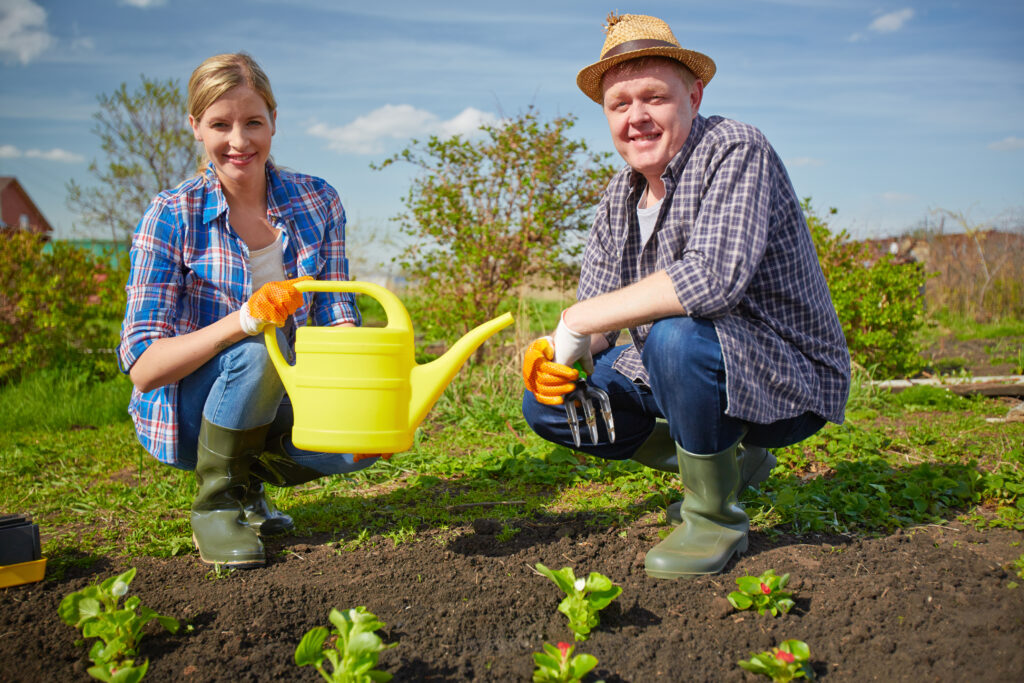
Compost to Life: Building Living Soil for Thriving Plants
Start with the foundation: soil teeming with life. Compost isn’t just decomposed kitchen scraps — it’s a living amendment packed with microbes, fungi, and nutrients that unlock food for roots. Layer brown (carbon-rich) and green (nitrogen-rich) materials, keep the pile moist but not soggy, and turn occasionally to aerate. Add kitchen scraps, fall leaves, coffee grounds, and shredded cardboard; avoid meat, dairy, and diseased plants. Worms and compost tea accelerate nutrient cycling and boost beneficial microorganisms. Apply a generous mulch of finished compost to beds each season and watch soil structure, water retention, and plant vigor improve.
Planting Smart: Choosing Varieties, Seed Starting, and Timing
Smart planting begins with variety selection. Choose cultivars suited to your climate, disease-resistant when possible, and balance heirlooms for flavor with hybrids for reliability. Start seeds indoors for long-season crops—tomatoes, peppers, and brassicas—while direct-sow beans, squash, and root vegetables when soil warms. Use a simple heat mat and gentle light, and transplant only after hardening off seedlings. Pay attention to frost dates and daylength; stagger plantings with succession sowing to avoid gluts and extend harvest. Keep a planting calendar and notes; each season teaches what thrives and what needs tweaking.
Companion Crops and Crop Rotation: Designing a Balanced Garden
An intentional layout reduces pests and refreshes soil. Companion planting pairs mutually beneficial species: basil next to tomatoes for flavor and pest deterrence, nasturtiums as living trap crops for aphids, and beans near corn for natural trellising and nitrogen. Rotate families—solanaceae (tomatoes, peppers), brassicas, legumes, and roots—to prevent build-up of pathogens and nutrient depletion. Rotate beds annually and follow heavy feeders with nitrogen-fixers. Interplanting with flowers and herbs creates a polyculture that mimics wild ecosystems and supports resilience.
Natural Pest and Disease Control: Attracting Beneficials and Safe Remedies
Control pests by building habitat for predators. Plant nectar-rich flowers—dill, yarrow, calendula—to lure ladybugs, lacewings, and parasitic wasps. Provide a shallow water source and shelter like a pile of sticks. For active control, use physical barriers: row covers, collars for seedlings, and handpicking slugs at dusk. Safe remedies include insecticidal soap, neem oil, and diatomaceous earth applied carefully. Remove infected foliage, improve airflow, and practice proper watering to minimize fungal problems. Prevention and ecological balance are far more effective than reactive spraying.
Harvest, Preserve, Repeat: Postharvest Care, Seed Saving, and Season Extension
Harvest at peak ripeness for flavor and nutrition. Cool leafy greens quickly, cure root crops in a dry, cool place, and store squash in a warm, dry spot to prolong shelf life. Preserve abundance with freezing, fermenting, drying, and canning for winter enjoyment. Save seeds from open-pollinated plants by choosing healthy specimens, allowing full maturation, drying thoroughly, and storing in cool, dark, airtight containers. Extend the season with cold frames, row covers, hoop houses, and strategic mulching. Repeat these cycles, observe closely, and refine—organic gardening is a craft of patience, curiosity, and joyful experimentation.
Popular Questions
How does compost bring living soil to life for thriving plants?
Mature compost adds organic matter, beneficial microorganisms, and slow-release nutrients to garden soil. Mix a 1- to 2-inch layer into the top several inches of a new bed, or spread it around established plants as mulch. This improves moisture retention and creates a more active environment for healthy roots.
What is the best way to build living soil with compost for thriving plants?
Start with finished compost made from well-decomposed plant material and other suitable organic ingredients. Combine it with the existing soil rather than planting in pure compost, then cover the surface with mulch to protect soil life from drying out. Add small amounts regularly instead of relying on large, infrequent applications.
How can compost-to-life practices improve soil for thriving plants?
Apply compost before planting and gently work it into compacted or depleted soil without excessive digging. Keep the soil covered with compost, leaves, straw, or another organic mulch to support microbes and reduce erosion. Consistent moisture, living roots, and periodic compost additions help maintain the soil’s structure over time.
How much compost should be used when building living soil for thriving plants?
For a garden bed, spread about 1 to 2 inches of finished compost over the surface and mix it into the upper soil layer. Use a thinner layer around existing plants so compost does not touch stems or trunks directly. Check plant growth and soil texture each season, adjusting future applications rather than overloading the bed.