Are you ready to take on the challenge of raising livestock in your backyard? If so, then this beginner’s guide is for you. Raising animals can be a rewarding experience that provides fresh meat and dairy products while also giving you the opportunity to connect with nature. In this post, we will cover everything you need to know about getting started with home farming.
Introduction to Raising Livestock in Your Backyard
Raising livestock in your backyard can be a fun and fulfilling hobby or even a full-time job if you’re interested in making a career out of it. The first step is to decide which type of animal you want to raise. Some popular options include chickens, goats, pigs, sheep, and cows. Each animal has its own unique needs and requirements, so make sure to do plenty of research before choosing one.
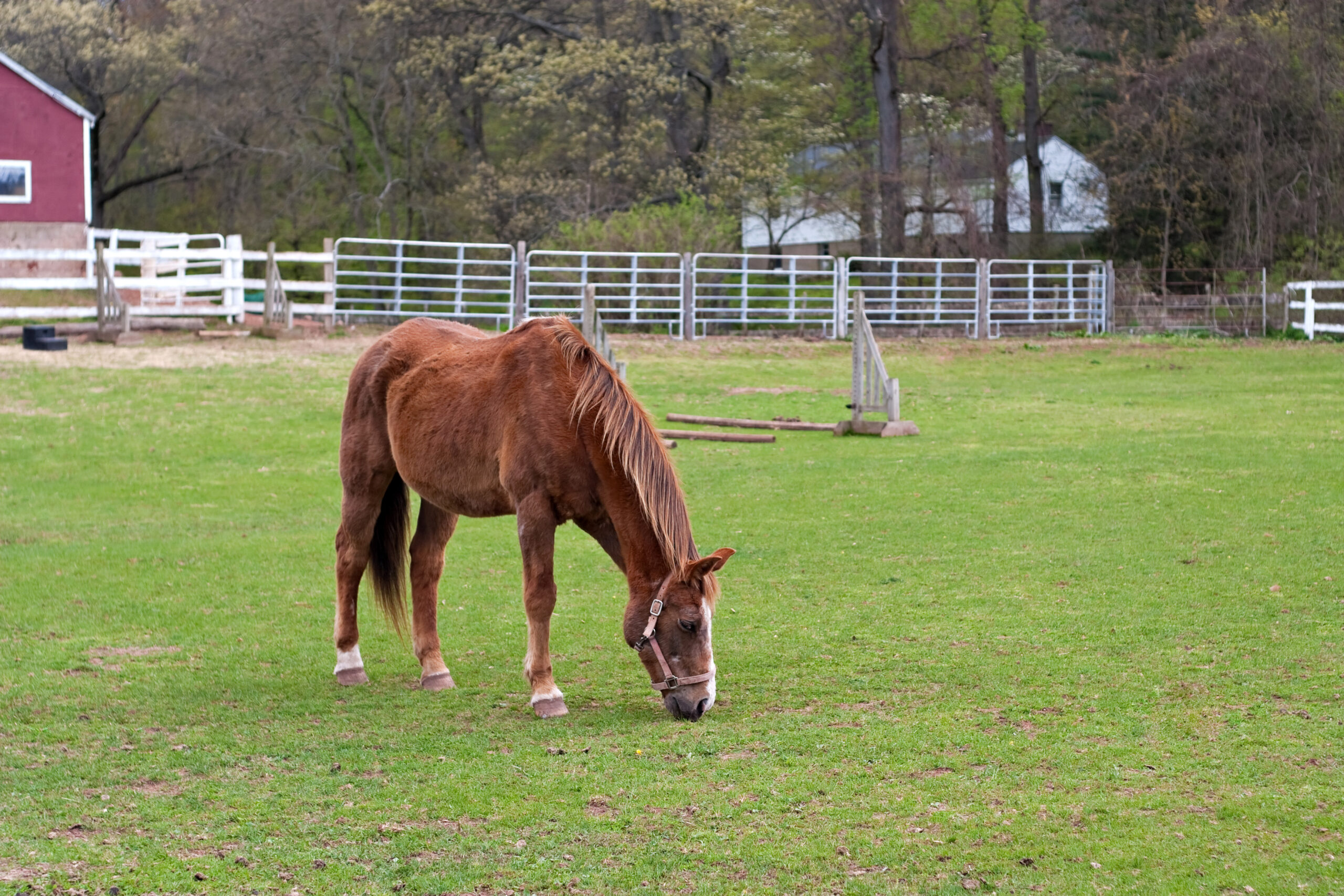
Choosing the Right Animals for Your Space
Once you have decided what type of animal you want to raise, you need to determine whether they are suitable for your space. Consider factors such as the size of your yard, the amount of shade available, and the climate in your area. You may also need to check local laws and regulations to ensure that you are allowed to keep certain types of animals where you live.
Building and Maintaining a Habitat for Your Animals
After selecting the right animals for your space, it’s time to build their habitat. Depending on the type of animal you choose, you may need to construct a coop, pen, or barn. Make sure to provide adequate shelter from weather conditions and predators. You should also consider installing fencing around your property to prevent escapees.
Tips for Keeping Your Animals Healthy and Happy
Keeping your animals healthy and happy is essential to ensuring a successful farm. Provide them with nutritious food and clean water every day. Regularly inspect your animals for signs of illness or injury and seek veterinary care when necessary. Additionally, give your animals plenty of exercise and socialization opportunities to help reduce stress levels.
To wrap up, raising livestock in your backyard can be an exciting adventure. By following these tips, you can get started on the path towards becoming a successful home farmer. Good luck!
Popular Questions
What should beginners know before raising livestock in their backyard?
An introduction to raising livestock in your backyard begins with checking local zoning rules, animal limits, and permit requirements. Choose species that fit your available space, daily schedule, budget, and experience level. Plan fencing, shelter, clean water, feed storage, manure handling, and veterinary care before bringing animals home.
Which animals are best for an introduction to raising livestock in your backyard?
Chickens, rabbits, ducks, and small goats are common choices for a backyard livestock introduction because their needs can be managed on a modest scale. Chickens provide eggs and generally require less space than goats, while rabbits need secure hutches and protection from heat. Select animals based on your climate, housing options, noise tolerance, and the amount of daily care you can provide.
How much space and shelter do backyard livestock need?
For an introduction to raising livestock in your backyard, provide enough room for animals to move, rest, feed, and avoid muddy or overcrowded conditions. Use predator-resistant fencing, a dry ventilated shelter, and shade from extreme weather. Keep housing clean, inspect fences regularly, and separate animals when illness, aggression, or breeding requires it.
What daily care does backyard livestock require?
Backyard livestock care usually includes fresh water, species-appropriate feed, a quick health check, and secure housing inspections every day. Remove wet bedding and manure as needed, and watch for changes in appetite, movement, breathing, or droppings. Arrange routine vaccinations or parasite control with a local veterinarian and keep records of feeding, treatments, and unusual symptoms.