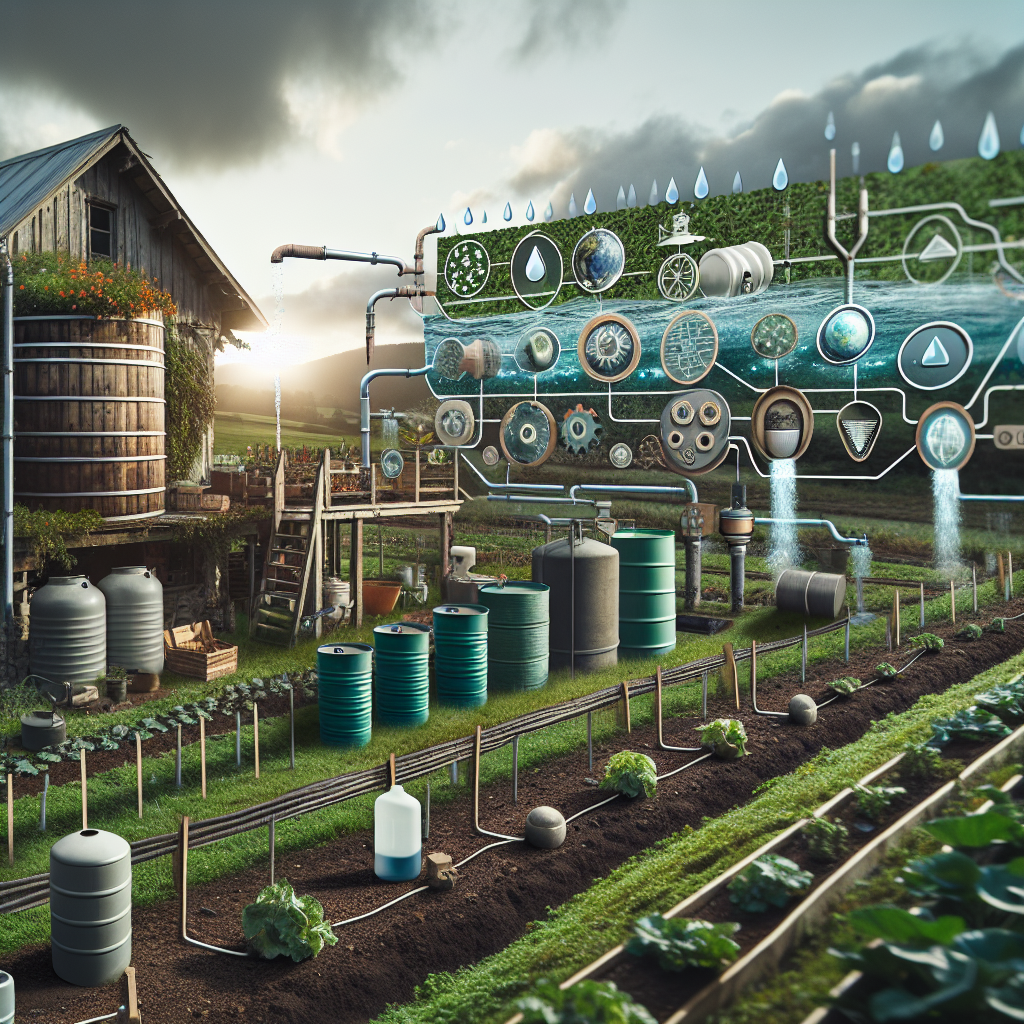
There’s a particular satisfaction in harvesting a tomato you grew without synthetic chemicals: bright, fragrant, and earned. Organic gardening is more than a trend—it’s a commitment to healthier food, richer soil, and a livelier backyard ecosystem. Whether you have a balcony box or a backyard plot, these practical strategies will help you grow green with confidence.
Why Go Organic: Benefits for Health, Soil, and Biodiversity
Choosing organic means fewer pesticide residues on your food and a lower risk of harming pollinators and beneficial insects. It nurtures soil life—earthworms, microbes, and fungi—that break down organic matter and release nutrients slowly and sustainably. A thriving organic garden becomes a small biodiversity hotspot, attracting birds, bees, and predators that naturally check pests. Long-term, organic practices rebuild soil structure and fertility, reducing erosion and improving water retention.
Building and Feeding Healthy Soil Naturally
Healthy plants start below ground. Focus on adding organic matter: compost, well-rotted manure, leaf mold, and green manures (cover crops) replenish nutrients and feed soil microbes. Mulch liberally with straw, wood chips, or shredded leaves to conserve moisture, suppress weeds, and gradually enrich the soil as it breaks down. Test your soil occasionally—pH and texture guide amendments like lime or sulfur, but prefer plant-based inputs over synthetic fertilizers. Rotate between deep-rooted and shallow-rooted crops to balance soil structure and nutrient use.
Organic Pest, Weed, and Disease Management
Prevention beats treatment. Start with resilient varieties and proper spacing for airflow; healthy plants resist pests and disease better. Encourage natural predators—ladybugs, lacewings, and birds—by planting native flowers and providing water. For pests, use physical barriers (row covers, netting), hand-picking, and traps first. Neem oil, insecticidal soaps, and diatomaceous earth are organic options when necessary. Weed control relies on consistent mulching, shallow cultivation, and timely hand-weeding before weeds set seed. For diseases, remove and compost (or dispose of) infected material, rotate susceptible crops, and water at the base to keep foliage dry.
Plant Selection, Rotation, and Companion Planting
Select varieties suited to your climate and soil; heirlooms offer flavor, hybrids often give disease resistance—choose based on your goals. Rotate plant families annually (e.g., brassicas, nightshades, legumes) to disrupt pest cycles and avoid nutrient depletion. Integrate companion planting: basil with tomatoes to deter pests and enhance flavor, marigolds to reduce nematodes, beans to fix nitrogen near heavy feeders. Planting diversity—intercropping fast-growers with slower crops—maximizes space and confuses pests.
Seasonal Care, Harvesting, and Preservation Tips
Adjust care with the seasons. In spring, prep beds, sow cold-tolerant seeds, and apply compost. Summer needs regular watering, deadheading, and vigilant pest checks. In fall, plant cover crops, collect seeds from open-pollinated varieties, and mulch to protect roots. Harvest at peak ripeness for best flavor; pick frequently to encourage more production. Preserve your bounty: quick-freeze, can, ferment, or dehydrate extras to enjoy year-round and reduce waste.
Organic gardening rewards patience and observation. It’s about working with nature’s cycles, not against them. Start small, experiment, and savor the slow transformation—from bare soil to a vibrant, nourishing garden that supports your table and the wider ecosystem.

Popular Questions
Why go organic for better health, soil, and biodiversity?
Going organic can reduce exposure to synthetic pesticide residues while encouraging healthier food-growing practices. Organic methods build soil with compost, cover crops, crop rotation, and other sources of natural fertility. Avoiding broad-spectrum chemicals also protects pollinators, earthworms, birds, and beneficial microorganisms that support biodiversity.
How does going organic improve soil health and support biodiversity?
Organic gardening adds carbon and nutrients through compost, manure, mulch, and decomposing plant material. Crop rotation and living ground cover help prevent erosion, improve water retention, and create habitat for soil organisms. Using targeted, low-impact pest controls instead of routine chemical treatments allows a wider range of beneficial insects and wildlife to thrive.
What are the health benefits of choosing organic foods and practices?
Choosing organic can limit contact with certain synthetic pesticides and fertilizers, especially when food is grown or purchased from trusted sources. Washing produce, eating a varied diet, and following safe food-handling practices remain important whether food is organic or not. Growing organically also makes it easier to avoid unnecessary chemical applications in home gardens and around living spaces.
Is going organic worth it for a home garden?
Going organic can be worthwhile because it improves long-term soil fertility while reducing harm to pollinators and other wildlife. Start by testing the soil, adding finished compost, using mulch, and selecting disease-resistant plants suited to the local climate. Manage pests with hand-picking, barriers, crop rotation, and beneficial insects before considering an approved organic treatment.