If you want vegetables that taste like something more than store-bought water, start with the ground beneath them. Building living soil is the single best investment you can make in flavor, health and resilience. Think beyond a one-off bag of fertilizer: layer compost, well-aged manure, leaf mold and green manures to feed a bustling micro-community of bacteria, fungi and worms. Mulch to retain moisture and insulate roots. Minimize tilling so mycorrhizal networks can flourish and store nutrients. Test and gently amend pH if needed, but aim for a continuous, slow feed through organic matter. Plants grown in living soil develop stronger cell walls and richer sugars — that’s where taste and nutrition come from.
Plant smart and your garden does half your work. Choose seed varieties adapted to your climate and disease profile; heirlooms often win on flavor while modern varieties may resist common pests. Layer species and ages: quick radishes between slow brassicas, late-season lettuces under corn shade. Companion planting isn’t folklore — basil improves tomato flavor and repels thrips, nasturtiums draw aphids away from cabbages, and flowering herbs attract pollinators and predators. Embrace biodiversity: mixed beds reduce monoculture weaknesses, interrupt pest life cycles, and create a habitat for beneficial insects. A diverse palette also gives you continuous harvests and more exciting dinners.
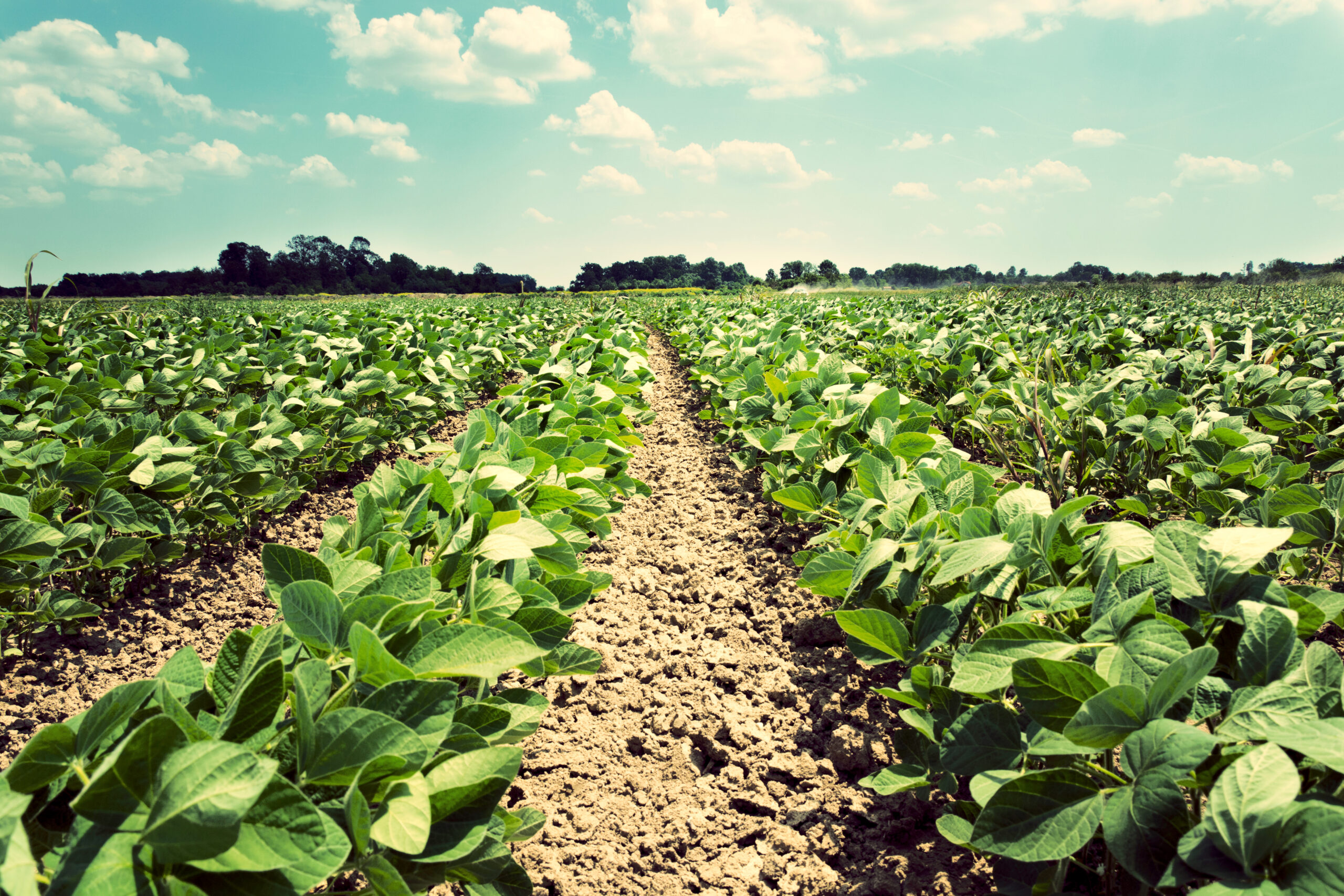
Pests without poisons requires prevention, observation and targeted tactics. Healthy plants are your first defense; stressed, overwatered, or nutrient-starved crops invite trouble. Rotate families annually to break pest and pathogen cycles. Use physical barriers like row covers, collars and netting to protect seedlings. Scout regularly and hand-remove big offenders—caterpillars and slugs—before they multiply. Encourage predators by planting nectar-rich flowers and leaving small habitat features like brush piles. When intervention is necessary, choose soft options: insecticidal soaps, kaolin clay, diatomaceous earth, or neem oil applied thoughtfully. Avoid broad-spectrum treatments that kill pollinators and microbes; organic pest control is about balance, not eradication.
Sustain and save by closing loops and conserving resources. Compost kitchen scraps and yard trimmings into dark, crumbly humus to feed your beds for pennies. Rotate crops to manage nutrient demands and diseases: follow heavy feeders like tomatoes with legumes that fix nitrogen. Practice water-wise care—water deeply and infrequently to encourage deep roots; mulch heavily to reduce evaporation; capture rainwater and install drip irrigation for efficiency. Save your seeds from the best performers to adapt plants to your specific microclimate, and plan succession planting to keep soil covered year-round.
Zero-chem gardening is not a strict regimen but a relationship: with soil life, with plant communities and with seasonal rhythms. Invest time in observation, favor diversity over uniformity, and let nature’s processes do the heavy lifting. The reward is unmistakable—vegetables that are healthier, more flavorful, and grown with a lighter footprint on the earth.
Popular Questions
How can a zero-chemical garden produce healthier, tastier vegetables naturally?
Start with healthy soil by adding finished compost, aged manure, and organic matter suited to your crops. Choose well-adapted vegetable varieties, provide consistent water, and give plants enough sunlight and space for strong growth. Harvest produce at its peak because freshness often makes the biggest difference in flavor.
What natural methods help control pests in a zero-chem garden?
Inspect plants several times a week and remove eggs, caterpillars, and damaged leaves by hand when practical. Encourage beneficial insects with flowering plants, use row covers over vulnerable crops, and rotate plant families between growing seasons. Mulch can also reduce pest-friendly soil splash and discourage weeds that shelter insects.
How do you improve soil for healthier vegetables without synthetic chemicals?
Test the soil before planting so you can address pH and nutrient issues with appropriate natural amendments. Mix compost into the planting area, use mulch to protect moisture, and grow cover crops such as clover or legumes when beds are resting. Avoid adding fresh manure directly around vegetables because it can damage roots and introduce contamination.
How should you water and fertilize a zero-chem garden for better flavor?
Water deeply at the soil line when the top layer begins to dry, preferably in the morning to limit disease. Apply compost or a mild organic fertilizer according to the crop's needs rather than overfeeding, which can produce excessive leafy growth and weaker flavor. Keep moisture consistent, especially while fruiting vegetables are flowering and developing.