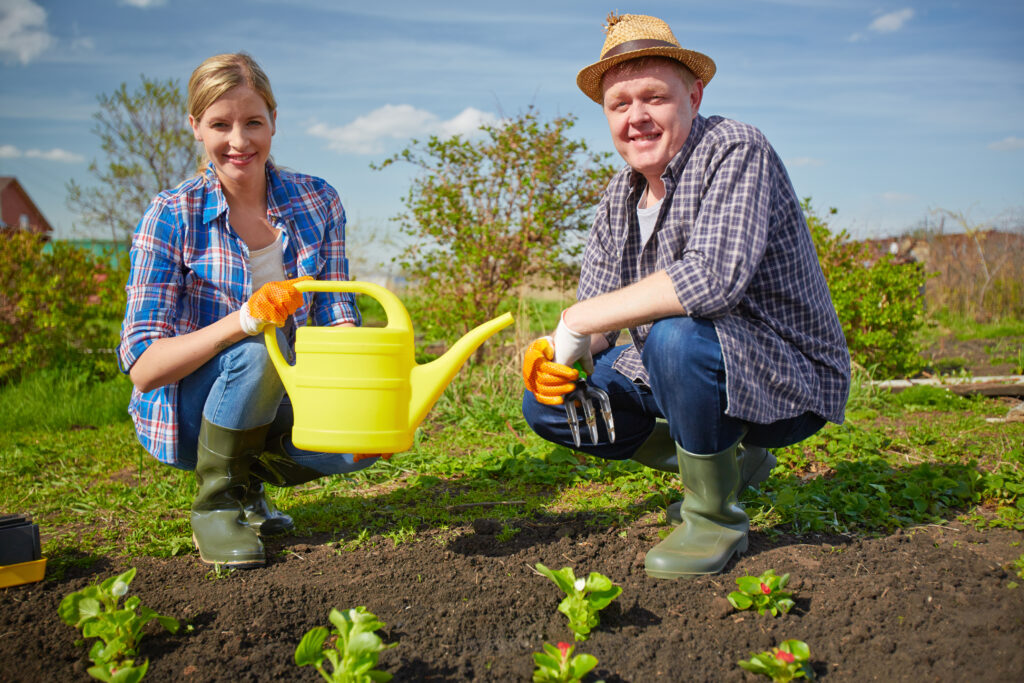
Preparing the Soil: Building a Living Foundation
Every successful organic garden begins beneath your feet. Start by observing soil texture and structure: crumbly loam holds moisture and air, while compacted clay needs deliberate amendment. Add generous layers of organic matter—compost, aged leaf mold, and well-rotted manure—to feed microbes and improve tilth. Avoid synthetic fertilizers that disrupt nutrient cycling; instead encourage earthworms and mycorrhizal fungi with minimal tilling and continuous cover. Regular soil tests will guide lime or mineral adjustments, but the goal is a living foundation that breathes, drains, and sustains plants naturally.
Seed to Sprout: Choosing and Starting Organic Varieties
Select open‑pollinated, heirloom, or certified organic seed to preserve genetic diversity and flavor. Think seasonally: cool‑season lettuces and brassicas in spring and fall, heat‑tolerant tomatoes and peppers for summer. Start seeds indoors under warmth and gentle light, or direct sow when soil is warm enough. Use sterile, organic seed starting mix and avoid peat if you can; alternatives like coco coir reduce environmental impact. Harden off seedlings gradually to avoid transplant shock and plant at proper spacing to minimize disease pressure.
Compost, Cover Crops, and Nutrient Cycling
Compost is the gardener’s black gold: a balanced mix of greens and browns produces rich humus that releases nutrients slowly. Rotate compost into beds each season and topdress annually. Plant cover crops such as clover, vetch, or buckwheat during off‑seasons to fix nitrogen, suppress weeds, and protect soil from erosion. When turned in, these “green manures” return nutrients and organic matter to the soil. Embrace crop rotation and polyculture beds to break pest cycles and encourage resilient nutrient flows.
Water Wisdom: Efficient, Eco‑Friendly Irrigation
Water is precious. Prioritize drip irrigation and soaker hoses to deliver moisture directly to roots while reducing evaporation. Water early in the morning to minimize fungal disease and use mulch to retain soil moisture and moderate temperature swings. Collect rainwater in barrels for irrigation and group plants by water needs to avoid waste. Monitor soil moisture with a simple probe and water based on plant demand rather than a calendar.
Natural Pest Control and Biodiverse Planting Strategies
Promote beneficial insects with flowering borders, herbs, and companion plants like marigolds, nasturtiums, and dill. Use physical barriers, hand‑picking, and insecticidal soaps when necessary. Encourage predatory species—ladybugs, lacewings, birds—by providing habitat and water. Plant diversity confuses pests and reduces the risk of large infestations; interplanting and staggered sowing keep crops productive and balanced.
Harvest to Table: Storing, Preserving, and Cooking Your Produce
Harvest at peak ripeness for best flavor and nutrition. Store root crops in cool, humid environments and leafy greens wrapped in damp cloths. Preserve surplus by freezing, pickling, fermenting, or canning to enjoy year‑round. In the kitchen, let the garden lead: simple roasting, quick sautés, fresh salads, and herbs finished at the end elevate seasonal produce. From dirt to dinner, organic gardening is an act of stewardship that rewards patience with vibrant, nutritious food. Start small and savor each bite.

Popular Questions
How do you begin preparing the soil and building a living foundation?
Start by observing the garden area for drainage, sunlight, soil texture, and existing plant growth. Remove only invasive weeds and debris, while leaving beneficial organic matter in place when possible. Test the soil to identify pH and nutrient needs before adding amendments.
What soil improvements are important when building a living foundation?
Add finished compost or well-aged organic matter to increase moisture retention and improve soil structure. Apply amendments according to soil-test recommendations instead of adding nutrients blindly. Mix materials gently into the surface layer, avoiding excessive tilling that can damage soil organisms and fungal networks.
How can gardeners protect soil life while preparing the soil?
Avoid working wet soil because compaction can reduce air and water movement around roots. Limit deep digging and use mulch or cover crops to protect the surface from erosion and temperature swings. Keeping the soil covered with organic material gives earthworms, microbes, and other decomposers food and shelter.
When should you prepare the soil for a living garden foundation?
Prepare soil when it is moist enough to crumble in your hand but not wet enough to form a sticky ball. Fall is useful for adding compost and planting cover crops, while early spring is appropriate for light surface preparation before planting. Recheck soil conditions each season and add organic matter gradually rather than making large changes at once.