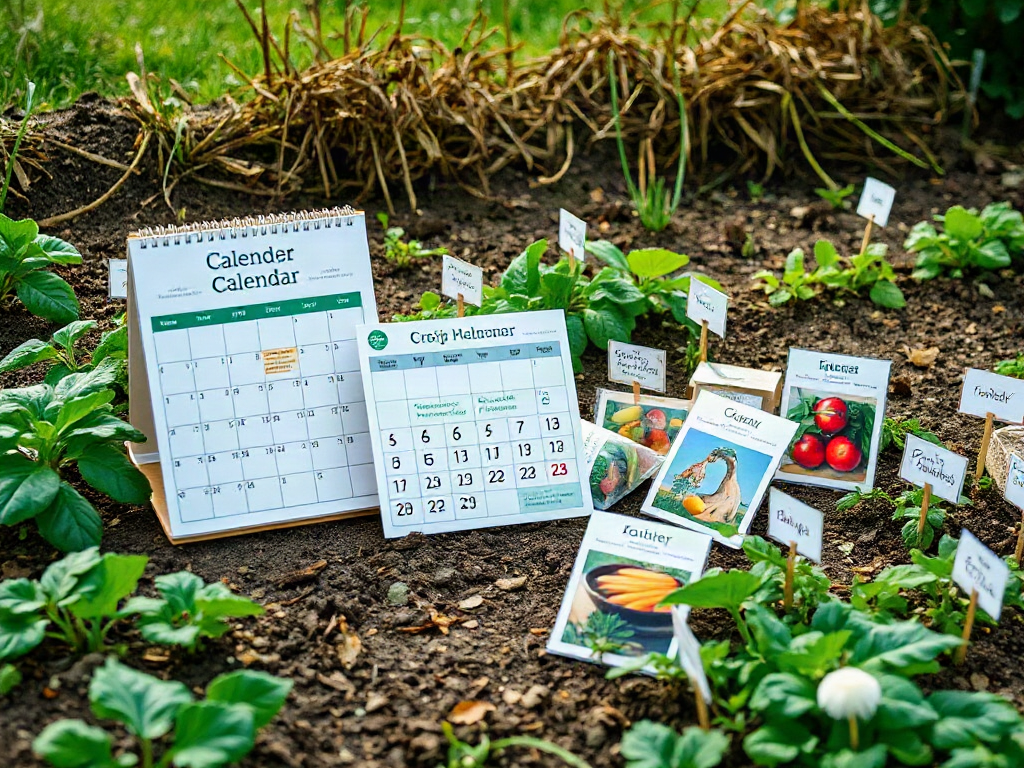
Beginner crop planning for a year-round homestead farm organizes vegetables, storage crops, and protected growing around local frost dates, available bed space, and the household’s actual food needs. Build the schedule backward from each crop’s harvest window, then account for germination, transplant growth, field maturity, and seasonal daylight. Use succession sowing for steady harvests, but reserve enough room for long-season crops and soil-building cover crops. Cold frames, low tunnels, and greenhouses extend production without removing winter limits. A workable first-year plan favors dependable crops, modest planting quantities, accurate records, and seasonal adjustments over a crowded calendar.
What you’ll learn
This guide covers the following practical points:
- Set the Farm’s Crop-Planning Boundaries — A useful crop plan begins with fixed limits: climate, growing space, labor, water, storage, and the foods the household will eat.
- Build a Seasonal Planting Calendar — A seasonal calendar should track sowing, transplanting, expected bed occupancy, and harvest—not planting dates alone.
- Match Crop Quantities to Household Use — Planting quantities should reflect meals, preservation capacity, storage life, and expected losses.
- Plan Bed Turnover and Succession Crops — Bed turnover connects individual crop dates into continuous production.
Set the Farm’s Crop-Planning Boundaries
A useful crop plan begins with fixed limits: climate, growing space, labor, water, storage, and the foods the household will eat. Gardeners who begin with a large seed catalog often commit more space and time than they possess. Mapping the farm’s constraints first produces a schedule that can survive busy weeks, weather delays, and uneven harvests.
Record the average last spring frost and first fall frost for the property’s location, but treat those dates as planning references rather than guarantees. Low ground may collect cold air, exposed beds may warm slowly, and a south-facing wall may create a noticeably milder pocket. Soil temperature and drainage also affect planting. Peas may tolerate cool conditions, while beans planted into cold, wet soil can rot before emerging.
Next, measure usable growing space rather than total property size. Exclude permanent paths, buildings, shaded edges, livestock areas, and ground without reliable irrigation. Note each bed’s dimensions, daily sun exposure, drainage, and access to water. A 4-by-20-foot bed provides 80 square feet of planting surface; that figure is more useful than describing the garden as “large.”
Set a realistic labor ceiling as well. Frequent harvest crops such as snap beans, cucumbers, and summer squash demand repeated picking. Storage onions, dry beans, winter squash, and potatoes concentrate more work around planting and harvest. A beginner with limited weekday time may get more value from fewer labor-intensive crops and a larger share of dependable storage crops.
The first warning sign of a weak plan is that every bed is assigned with no allowance for failed germination, delayed transplants, compost application, or weed control. Leave a small amount of capacity uncommitted. Flexible space can accept replacement seedlings or a late cover crop without forcing the rest of the calendar apart.
Build a Seasonal Planting Calendar
A seasonal calendar should track sowing, transplanting, expected bed occupancy, and harvest—not planting dates alone. Days-to-maturity figures commonly describe favorable conditions and may begin from direct seeding or transplanting, depending on the crop and seed supplier. Cool soil, short days, transplant shock, heat, and water stress can lengthen the actual schedule.
Work backward from the desired harvest period. If an illustrative carrot variety lists 70 days to maturity and the goal is an early October harvest, counting back 70 days suggests a late-July sowing. Add roughly one or two weeks as an illustrative buffer for slower late-season growth, making mid-July a safer planning window. Local conditions and the variety’s instructions should decide the final date.
| Planning Window | Typical Crop Role | Key Constraint to Check |
|---|---|---|
| Late winter to early spring | Indoor seedlings and cold-tolerant direct sowing | Light, seedling space, and workable soil |
| After spring frost risk declines | Warm-season transplants and direct-sown crops | Soil temperature and irrigation capacity |
| Mid- to late summer | Fall roots, greens, and overwintering crops | Days remaining before slow winter growth |
| Autumn and winter | Protected greens, stored produce, and cover crops | Daylight, freeze protection, and storage conditions |
Use separate calendar entries for starting seed indoors, hardening seedlings, transplanting, and clearing the bed. Tomatoes started too early can become root-bound before outdoor conditions are suitable. Fall crops often fail for the opposite reason: they are sown after shortening days have already reduced growth. Winter harvest planning generally means growing plants to near-harvest size before the darkest part of the year, then protecting and harvesting them during slow growth.
Review the calendar every two weeks during the growing season. Mark what was actually sown, what emerged, and when a bed became available. A plan that is not updated quickly becomes a record of intentions rather than an operating schedule.
Match Crop Quantities to Household Use
Planting quantities should reflect meals, preservation capacity, storage life, and expected losses. “Grow enough tomatoes” is not a measurable target. “Supply fresh tomatoes for summer meals and preserve several batches of sauce” gives the grower a basis for selecting varieties, estimating plants, and reserving processing time.
Divide desired crops into four practical roles: frequent fresh harvests, staple storage foods, preservation crops, and seasonal specialties. Lettuce and radishes serve frequent fresh meals but store poorly. Potatoes, onions, winter squash, and dry beans can extend the farm’s food supply beyond their harvest dates when properly cured and stored. Tomatoes and cucumbers may justify larger plantings only when the household has time, equipment, and suitable recipes for preserving them.
Use an intentionally small first-year estimate, then revise it from records. As an illustrative calculation, suppose a household eats one head of lettuce per week for 12 cool-season weeks. The initial target is 12 heads. Adding 25 percent for poor germination, pest damage, or unusable heads produces 15 planting spaces: 12 × 1.25 = 15. Rather than planting all 15 at once, sow three groups of five at suitable intervals. This calculation is a planning example, not a universal yield recommendation.
Seed-packet spacing helps convert plant counts into row or bed space. If a crop needs one square foot per plant, 15 plants occupy about 15 square feet before paths or companion plantings are considered. Large crops such as pumpkins require a different interpretation because vines can leave the bed and spread into paths or field margins.
Oversupply is not automatically productive. Twenty zucchini plants may produce more than a household can pick or use, while occupying ground that could support beans, roots, or fall greens. Signs that quantities are well matched include regular use, manageable harvest sessions, and little produce left aging in the field. Repeated waste or missed picking indicates that the next sowing should be reduced.
Plan Bed Turnover and Succession Crops
Bed turnover connects individual crop dates into continuous production. Each bed needs a sequence that accounts for harvest timing, residue removal, soil preparation, and the next crop’s planting deadline. A crop occupying a bed two weeks longer than expected can erase the planting window for the crop scheduled behind it.
Draw one row for each bed and divide the row into months or two-week blocks. Write the crop name across every block during which it is expected to occupy the ground. Include seedling establishment and harvest, not merely the maturity date. Empty blocks reveal opportunities for short crops, mulch, compost, or cover crops; overlapping labels reveal conflicts before seed is purchased.
A workable sequence might place spring radishes ahead of transplanted peppers, followed by a cold-tolerant cover crop after the peppers are removed. Another bed could hold spring peas, then bush beans, then fall spinach if the climate provides enough time. The sequence must fit local temperatures and day length. Replacing a late crop with a cover crop is often better than forcing a planting that cannot mature.
Succession sowing can mean repeating the same crop, replacing one crop with another, or planting varieties with different maturity periods. Small sowings of bush beans every few weeks can spread harvests, while early and storage cabbage varieties can separate harvest dates without repeated sowing. Stop scheduling successions when the final planting lacks enough favorable growing time.
Rotation matters, but a small beginner garden may not support an elaborate multi-year system. Keep a simple record of plant families and avoid placing the same family in the same bed repeatedly when alternatives exist. Rotation does not replace sanitation, resistant varieties, sound watering, or pest monitoring. Its value is reduced when closely related crops occupy most of the garden.
Extend Harvests Without Overloading the Plan
Season-extension structures modify temperature, wind, and moisture around crops, but they do not create summer conditions throughout winter. Row cover may provide modest protection from cold and insects. Low tunnels offer more shelter but need anchoring and ventilation. Cold frames collect solar warmth, while greenhouses provide working space and broader control at a much higher cost and management burden.
Begin with one protected bed instead of designing the entire farm around untested winter production. Fill it with cold-tolerant crops that the household uses, such as spinach, kale, mâche, scallions, or selected lettuces. Establish plants before growth slows sharply. Protection can preserve mature leaves and improve harvest quality, but limited daylight may make regrowth slow.
Ventilation is a common failure point. A closed cold frame or tunnel can heat rapidly on a sunny day even when outdoor air feels cold. Check temperatures, open structures when needed, secure covers against wind, and water carefully because covered soil receives less rainfall. Condensation, leaf disease, wilting, or wide temperature swings indicate that the protected space needs closer management.
Year-round food from a homestead does not have to mean year-round outdoor picking. A more resilient plan combines fresh harvests with cured roots and squash, dried crops, frozen produce, canned foods prepared with tested recipes, and purchased staples that are inefficient to grow. This approach spreads labor and reduces pressure to force crops through unsuitable weather.
At the end of each season, compare planned and actual sowing dates, bed occupancy, harvest volume, storage losses, and household use. Keep varieties that performed reliably and remove those that demanded disproportionate attention. The strongest sign of progress is not a fuller calendar; it is a plan that becomes more accurate, less wasteful, and easier to operate.
Frequently Asked Questions
How far ahead should a beginner plan homestead crops?
Create the broad bed and seed plan during the off-season, then maintain a rolling calendar at least one season ahead. Review it every two weeks so weather delays, crop failures, and changing harvest dates can be reflected in later plantings.
Which crops are easiest to include in a first-year plan?
Choose crops suited to the local climate that the household already eats. Bush beans, leafy greens, radishes, zucchini, potatoes, and selected herbs are often manageable, but local pests, heat, rainfall, and soil may change which choices are dependable.
Can a homestead harvest vegetables throughout winter?
Winter harvests are possible in some climates with cold-tolerant crops and protection, but growth may slow substantially as daylight declines. Establish crops before deep winter and combine fresh picking with properly stored or preserved food.
How much extra seed should be planted for crop losses?
There is no reliable universal percentage because germination, pests, weather, and crop value vary. Keep reserve seed, sow a modest surplus for essential crops, and use first-year records to set better quantities rather than crowding beds with excessive backups.
What records are most useful for next year’s crop plan?
Record actual sowing, emergence, transplanting, harvest, and bed-clearance dates. Add variety names, major weather problems, pest pressure, approximate harvest quantities, storage losses, and whether the household used the crop.
Conclusion
A dependable first-year crop schedule is built from measured beds, local seasonal limits, household use, and the time available for planting and harvest. Assign each bed through the year, leave room for delays, and test succession planting or winter protection on a manageable scale. Keep dated records as work happens. Those observations will make the second year’s quantities, planting windows, and crop choices more accurate than any generic calendar.