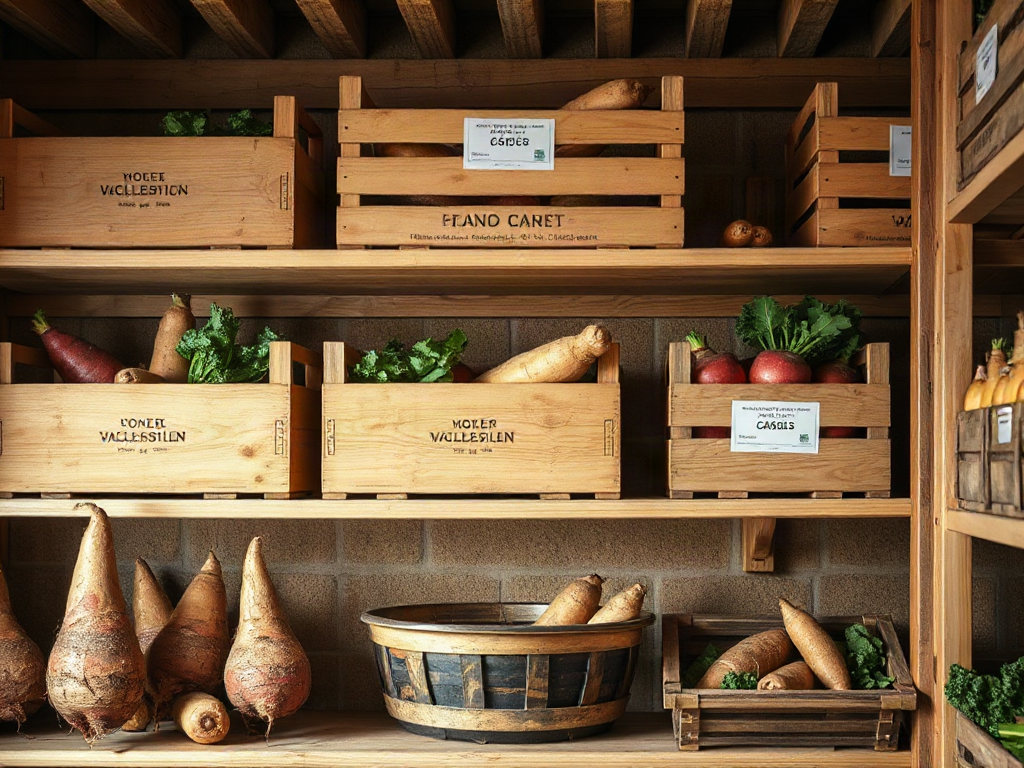
Storing root crops through winter on a homestead farm works best when each crop receives the temperature, humidity, airflow, and darkness it needs. Cure potatoes, onions, garlic, and sweet potatoes before storage, but move carrots, beets, parsnips, and similar roots into cool, humid conditions before they lose moisture. Keep damaged produce out of long-term bins, separate dry-loving onions from moisture-sensitive roots, and protect every container from freezing and rodents. Inspect the harvest regularly because one leaking potato, soft beet, or moldy onion can damage neighboring produce long before the problem becomes obvious.
What you’ll learn
This guide covers the following practical points:
- Match Storage Conditions to Each Crop — Root-cellar success depends on recognizing that the harvest does not belong in one uniform storage climate.
- Harvest, Sort, and Cure the Crop — Storage quality is largely determined before the produce enters the cellar.
- Build a Practical Winter Storage Space — A usable winter storage area must moderate outdoor swings without becoming sealed and stagnant.
- Pack and Organize Root Crops — Packaging should protect roots from dehydration and bruising while allowing inspection.
Match Storage Conditions to Each Crop
Root-cellar success depends on recognizing that the harvest does not belong in one uniform storage climate. Carrots, beets, rutabagas, turnips, and parsnips retain quality in cold, humid air, while onions and garlic need a drier environment. Potatoes favor cool, dark storage with high humidity, but sweet potatoes can suffer chilling injury at temperatures that suit ordinary potatoes.
These differences reflect how crops lose water, respire, sprout, or develop decay after harvest. Humid air slows shriveling in thin-skinned roots. The same moisture encourages mold and neck rot in onions that have not dried thoroughly. Warmth accelerates sprouting and deterioration in potatoes, yet excessive cold can alter their cooking quality or cause injury in warmth-loving sweet potatoes.
| Crop Group | Approximate Storage Target | Humidity Preference | Main Risk |
|---|---|---|---|
| Carrots, beets, parsnips, turnips, rutabagas | 32–40°F | High | Wilting or freezing |
| Potatoes | About 38–45°F | High, with ventilation | Light exposure, sprouting, or condensation |
| Onions and garlic | Cool and frost-free | Low to moderate | Mold from trapped moisture |
| Sweet potatoes | About 55–60°F | Moderately high | Chilling injury |
These are working ranges rather than guarantees. A cellar may have warmer shelves, colder floor zones, and damp corners. Measure those differences with thermometers and a hygrometer instead of assuming the entire room matches one reading. If only one storage room is available, create zones: keep onions in ventilated crates on a drier shelf, pack carrots in slightly damp material lower down, and place sweet potatoes in a warmer interior location.
Harvest, Sort, and Cure the Crop
Storage quality is largely determined before the produce enters the cellar. Harvest on a dry day when possible, loosen soil before lifting roots, and avoid cuts from forks or shovels. Even a small puncture gives decay organisms an entry point and increases moisture loss. Handle roots as food rather than tossing them like firewood.
Do not wash crops intended for extended storage unless persistent mud makes inspection impossible. Brush away loose soil after it dries. Washing adds surface moisture and may abrade protective skins; if a crop must be washed, let its surface dry completely and use it before unwashed, sound specimens.
Trim carrot, beet, turnip, and parsnip tops close to the crown without cutting into it. Leaves continue pulling moisture from the root after harvest. Set aside fork-damaged, split, undersized, soft, or insect-chewed produce for immediate meals, livestock use where appropriate, or another safe preservation method. Storage does not repair defects; it gives them time to spread.
Cure Only the Crops That Benefit
Potatoes need a short curing period in darkness with moderate warmth and ventilation so minor skin damage can close. Onions and garlic should dry until their outer skins are papery and their necks are tight. Sweet potatoes require a distinctly warm, humid curing period before cooler storage. Carrots, beets, and parsnips should not be left in warm, dry air to “cure,” because they mainly lose moisture and become rubbery.
A common mistake is curing everything together in a sunny shed. Sunlight greens potatoes, dry air wilts tender roots, and an unventilated pile traps condensation. Use separate batches and move each one as soon as its preparation stage is complete.
Build a Practical Winter Storage Space
A usable winter storage area must moderate outdoor swings without becoming sealed and stagnant. Traditional root cellars do this with surrounding soil, controllable vents, darkness, and drainage. A basement corner, insulated outbuilding room, buried container designed to remain dry, or frost-protected crawlspace may also work if its actual conditions are monitored.
Place one thermometer near the coldest expected point and another near the ceiling or door. Add a humidity gauge where the produce sits. Check the room during a cold night, a mild spell, and after rain. A space that appears suitable in October may freeze in January or become wet during a thaw.
Ventilation should remove excess heat and stale, damp air without exposing the harvest to a continuous freezing draft. Open or adjust vents when outside air can cool the room safely, then reduce airflow during severe cold. Insulate exposed pipes, doors, and aboveground walls, but do not cover produce with airtight plastic. Condensation inside a sealed tote creates wet surfaces where decay can advance unnoticed.
Rodent resistance deserves equal priority. Close openings with durable metal screening, keep containers off the floor, remove spilled produce, and avoid relying on cardboard as the only barrier. Do not store fuel, pesticides, paint, or strong-smelling chemicals beside food. Flood-prone cellars and spaces with recurring sewage or chemical contamination are unsuitable regardless of temperature.
Pack and Organize Root Crops
Packaging should protect roots from dehydration and bruising while allowing inspection. Sturdy slatted crates work well for potatoes, onions, and garlic when the room supplies suitable humidity. Carrots, beets, parsnips, turnips, and rutabagas can be layered in clean, slightly damp sand, sawdust, or wood shavings. The packing medium should feel barely moist rather than wet enough to clump or release water.
Arrange produce in shallow layers and avoid excessive stacking pressure. Large bins make efficient use of space, but a spoiled root buried in the center can remain hidden. Several manageable crates reduce losses and make rotation easier. Label each container with the crop, variety if known, harvest date, and condition. Use the most damaged acceptable batch first and reserve unblemished specimens for later winter.
Consider an illustrative mixed-harvest setup: four crates of potatoes occupy a dark, cool shelf; two boxes of carrots packed in barely damp shavings sit lower in the humid zone; cured onions hang in mesh bags near a drier vent; and sweet potatoes remain in a warmer pantry. That separation uses existing microclimates instead of forcing incompatible crops into one cellar corner.
- Keep apart: dry onions and garlic from damp packing materials.
- Exclude light: cover potato crates with breathable, opaque material.
- Preserve airflow: leave space between crates and exterior walls.
- Plan rotation: place earlier-use containers where they are easiest to reach.
Do not pack crops immediately against concrete walls. Cold surfaces can collect condensation and may freeze produce during severe weather. A pallet or shelving system creates an air gap and makes signs of leakage, rodents, and decay easier to spot.
Monitor Storage Through Winter
Regular inspection turns a passive cellar into a managed food supply. Check conditions at least weekly during the first month and after major weather changes. Once temperature and humidity remain stable, inspections may become less frequent, but every container still needs periodic attention.
Use smell as an early warning, then examine the produce rather than merely adjusting the room. A sour or musty odor may indicate a leaking potato, moldy onion, or saturated packing medium. Remove affected pieces and anything touching wet decay. Clean the container before returning sound produce, and correct the moisture or airflow problem that allowed the damage to develop.
Signs of excessive dryness include shriveled carrots, limp beets, and weight loss. Slightly moistening the packing medium may help, but spraying water directly onto roots creates uneven wet spots. Condensation, fuzzy mold, wet skins, and widespread softening point toward excess humidity, inadequate ventilation, or produce stored before it was dry.
Sprouting indicates that storage is too warm, the crop is naturally leaving dormancy, or both. Potatoes also need complete darkness; green skin signals light exposure, and green portions should not be treated as normal edible tissue. Freezing damage often appears as translucent, water-soaked, or rapidly softening flesh after thawing. Once a room has frozen, move unaffected produce before relying on added insulation alone.
Keep a simple log of weekly minimum and maximum temperatures, humidity observations, losses, and adjustments. The record shows whether a January problem came from a cold snap, blocked vent, damp packing material, or a weak batch. Those details make next season’s storage design more reliable than memory.
Frequently Asked Questions
Should root crops be washed before winter storage?
Usually not. Let soil dry, brush it off gently, and store sound roots with their skins intact. If heavy mud requires washing, dry the surface fully and plan to use those roots earlier.
Can potatoes, carrots, and onions share one root cellar?
They can occupy separate zones in one cellar, but they should not share the same container or moisture conditions. Keep onions drier, carrots humid and packed, and potatoes dark with ventilation.
How often should stored root crops be checked?
Inspect them weekly at first and after sharp weather changes. Once conditions are stable, continue periodic checks for odors, condensation, sprouting, shriveling, rodent activity, and soft produce.
What can replace a traditional root cellar?
An insulated basement room, frost-protected outbuilding space, or other dark area can work if measured temperatures remain crop-appropriate and the space has ventilation, drainage, and rodent protection.
Why are carrots becoming rubbery in storage?
Rubbery carrots are usually losing moisture because the air or packing medium is too dry. Move them to a colder, more humid zone and adjust clean packing material gradually rather than wetting the roots directly.
Conclusion
Begin with sound produce, then organize storage around crop differences rather than convenience. Measure the room, separate humid roots from dry onions, keep potatoes dark, and reserve a warmer location for sweet potatoes. Small crates, clear labels, rodent barriers, and a weekly condition log make developing problems visible while losses are still limited. After the first cold spell, review temperatures and move vulnerable containers before winter exposes weak zones in the storage space.