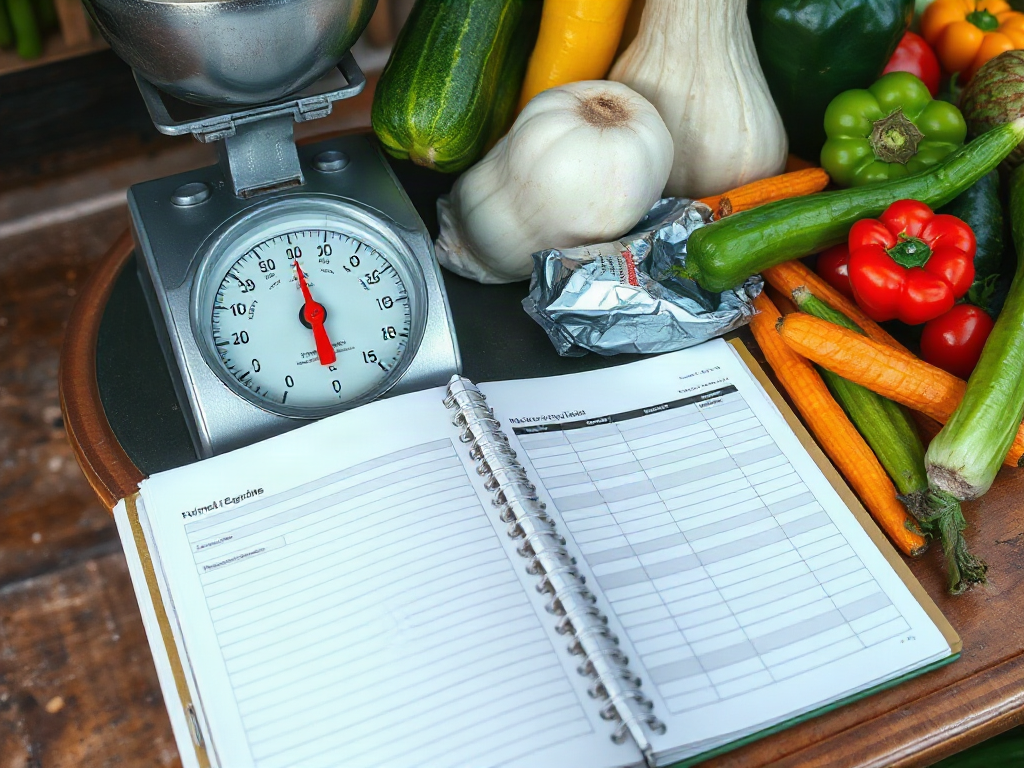
Harvest records improve next season's farm plan when they connect each crop and bed to yield, harvest dates, quality, labor, losses, and growing conditions. Record marketable output separately from damaged or undersized produce, then compare the result with planted area and harvest effort. A high-yielding crop may deserve less space if picking and washing consume excessive time, while a modest crop may remain valuable because it matures during a supply gap. Review the records by location, variety, and succession rather than relying on whole-farm totals. Consistent units and brief notes make the information useful without turning harvest days into paperwork.
What you’ll learn
This guide covers the following practical points:
- The Harvest Records Worth Keeping — Useful harvest records connect an outcome to a specific crop, place, and period.
- Make Recording Workable on Busy Harvest Days — A record system succeeds when it fits between picking and putting food away.
- Turn Harvest Results Into Planting Decisions — Season review should compare plantings on more than total output.
- Worked Example: Reviewing Two Tomato Plantings — An illustrative comparison shows why raw harvest totals are incomplete.
The Harvest Records Worth Keeping
Useful harvest records connect an outcome to a specific crop, place, and period. A note that says “good bean year” cannot show whether the early sowing, late sowing, or particular row performed well. Record the crop and variety, bed or field location, planting or transplant date, harvest date, quantity, and unit. Those fields create the minimum chain needed to compare one planting with another.
Separate marketable food from culls whenever quality affects how the harvest can be used. A basket containing 10 pounds of onions may include 7 pounds suitable for storage and 3 pounds that must be eaten promptly because of damage or thick necks. The total yield describes biological production, but the split describes practical value. For household crops, “marketable” can mean sound enough to store, preserve, or serve rather than suitable for sale.
Add short notes for conditions that explain unusual results: irrigation trouble, deer browsing, storm damage, disease symptoms, missed picking, or an especially long harvest interval. Labor also deserves attention when it influences what you can realistically grow. Approximate minutes spent picking, washing, sorting, or shelling are sufficient; second-by-second tracking adds effort without improving most homestead decisions.
| Record | Useful Unit or Format | Planning Decision It Supports |
|---|---|---|
| Marketable harvest | Pounds, bunches, heads, or count | Crop quantity and bed allocation |
| Culls and losses | Same unit as the harvest | Pest, disease, handling, and variety changes |
| First and last harvest | Calendar dates | Succession timing and seasonal gaps |
| Growing area | Bed feet or square feet | Yield comparison across plantings |
| Harvest labor | Approximate minutes | Workload and crop practicality |
A common mistake is collecting measurements with no stable units. Recording squash by count one week and by pounds the next prevents a clean seasonal total. Choose one primary unit for each crop before harvest begins and note exceptions rather than silently changing the system.
Make Recording Workable on Busy Harvest Days
A record system succeeds when it fits between picking and putting food away. Keep a scale, pencil, and weather-resistant sheet near the wash station, or use a simple phone form with a short list of required fields. Enter the result when the produce is weighed or counted. Reconstructing several harvests at the end of the week usually introduces forgotten culls, uncertain dates, and estimated quantities.
Use identifiers that remain understandable months later. “North Bed 2, carrot succession B” is more useful than “back carrots.” Match those names to the season’s planting map so the harvest can be traced to soil conditions, spacing, and planting date. If several people harvest, post the accepted crop names and units beside the recording point.
A practical harvest entry can remain brief:
- Date and source: August 18, South Bed 3
- Crop and variety: Snap bean, Provider
- Result: 6.5 pounds usable; 0.5 pound damaged
- Effort: 35 minutes picking and sorting
- Note: Several oversized pods after a missed picking day
Daily detail should match the decision at stake. A household that only wants enough winter squash for storage may need totals and quality notes, not labor minutes for every picking. A grower struggling with an overloaded summer schedule benefits from labor records. Tracking every possible field often leads to abandonment; recording too little leaves next year’s choices dependent on memory.
Turn Harvest Results Into Planting Decisions
Season review should compare plantings on more than total output. First total the usable yield for each crop, then divide it by the growing area when beds or row lengths differ. Compare first and last harvest dates to find gluts and gaps. To wrap up, read the notes and labor entries before declaring a winner.
Prioritize decisions that change limited resources. Bed space may go toward crops with strong usable yield per square foot, but yield is not the only test. Flavor, storage life, preservation needs, livestock feed value, household demand, seed-saving goals, and replacement cost can justify a lower-yielding crop. A productive zucchini planting still used too much space if much of it went uneaten.
Translate observations into explicit changes rather than vague intentions. “Too many cucumbers” becomes “reduce the first planting from 20 feet to 12 feet.” A three-week lettuce gap becomes “add a small succession between the May 1 and June 1 sowings.” Repeated rot in the same low bed becomes a reason to relocate the crop, improve drainage, or reconsider irrigation timing rather than merely buying more seed.
Limit changes when the evidence comes from one abnormal season. Drought, late frost, animal damage, or family absence can hide a planting’s normal potential. Mark such results as constrained and change one or two variables at a time. Replacing the variety, location, spacing, and planting date together makes it difficult to identify what produced the next outcome.
Worked Example: Reviewing Two Tomato Plantings
An illustrative comparison shows why raw harvest totals are incomplete. Suppose Planting A occupied 40 square feet and produced 72 pounds of usable tomatoes, while Planting B occupied 30 square feet and produced 60 pounds. Divide usable pounds by square feet: Planting A returned 1.8 pounds per square foot, and Planting B returned 2 pounds per square foot.
Planting B appears more space-efficient, but the remaining records affect the choice. Assume Planting A began yielding two weeks earlier, had 8 pounds of culls, and required 150 harvest-and-sorting minutes. Planting B had 18 pounds of cracked fruit after irregular rain and required 210 minutes because dense foliage made picking slower. These hypothetical figures do not establish a universal tomato benchmark; they illustrate how area, timing, quality, and work alter the interpretation.
The resulting plan need not choose one planting exclusively. A household seeking early tomatoes could retain a smaller Planting A and use Planting B’s variety later, while improving spacing or watering consistency. If sauce production is the priority and cracking does not prevent immediate processing, Planting B’s concentrated harvest may still be useful. The record supports a decision tied to intended use rather than a simple ranking by pounds.
Recognize Records That Can Mislead You
Incomplete records can create false confidence. Missing harvests often occur during peak production, so an apparently weak crop may simply have the poorest documentation. Mark estimated or unrecorded pickings instead of treating the recorded total as exact. A season total should be labeled incomplete when enough produce bypassed the scale to affect the comparison.
Comparisons also fail when units, areas, or harvest standards differ. Ten heads of lettuce cannot be compared directly with ten pounds, and total bed yield favors larger plantings unless output is converted to a common area. Quality standards must remain reasonably consistent: counting blemished fruit as usable for one variety but as culls for another distorts the result.
Weather and management notes provide context, not excuses. A crop damaged by rabbits may deserve another trial with protection, while repeated losses despite protection may make that location impractical. Watch for recurring patterns across seasons: the same bed producing undersized roots, the same succession colliding with vacation, or the same variety failing to store. Repeated patterns support firmer changes than an isolated bad week.
The clearest sign that a system is working is a season-end review that produces specific quantities, dates, or location changes. If the records generate pages of numbers but no decision, remove low-value fields and organize the remaining entries by crop and planting. The purpose is not a perfect archive; it is a defensible plan for scarce space, time, seed, and storage capacity.
Frequently Asked Questions
Should harvests be recorded by weight or by count?
Use the unit that matches how the crop is evaluated. Weight suits beans, tomatoes, roots, and bulk produce; count often works better for cabbages, melons, and heads of lettuce. Keep the chosen unit consistent throughout the season.
How often should harvest records be entered?
Enter each harvest when it is weighed, counted, or sorted. Immediate entry is faster and more reliable than rebuilding totals from memory at the end of a week.
Do I need to track food grown only for household use?
Yes, if you want to match production with household demand. Household records can replace sales grades with categories such as fresh use, storage, preservation, donation, animal feed, and waste.
How should unweighed or forgotten harvests be handled?
Mark them as missing or estimated instead of adding a precise-looking guess. The note preserves context and prevents an incomplete total from being mistaken for an exact result.
How many seasons are needed before changing the planting plan?
Correct obvious mismatches after one season, such as chronic overproduction or a missed harvest window. Treat variety or location performance more cautiously when unusual weather, pests, or management problems affected the trial.
Conclusion
Build the next planting plan from usable yield, timing, area, workload, losses, and household demand—not from the largest harvest total alone. Standardize units, identify every planting clearly, and flag missing or abnormal results. At season’s end, convert patterns into a few measurable changes in bed space, succession dates, variety choice, or crop location. A compact record used consistently will outperform an elaborate system abandoned during peak harvest.