Homestead Gardening

Collective Farming Models for Shared Homestead Resources: Ownership, Labor, and Exit Plans
Homestead Gardening

Collective Farming Models for Shared Homestead Resources: Ownership, Labor, and Exit Plans

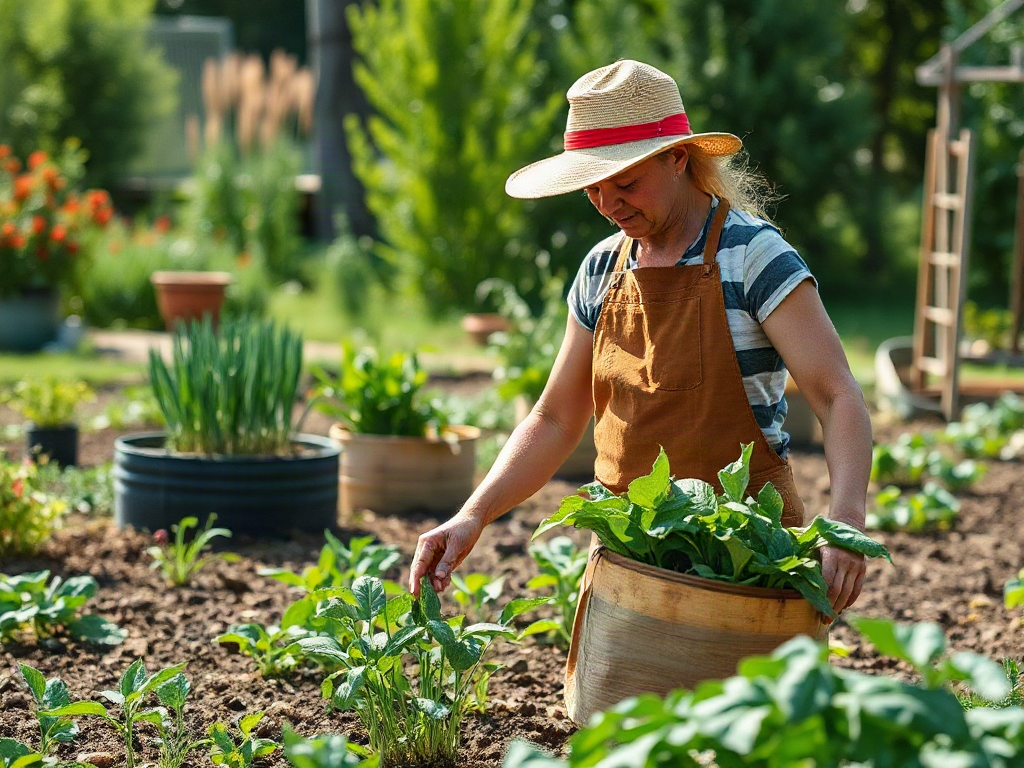
Collective farming models for shared homestead resources work best when participants separate land ownership from operating rights and document how labor, equipment, water, harvests, expenses, and decisions will be shared. A cooperative can suit jointly owned machinery or market sales, while a land trust, lease arrangement, or informal resource-sharing agreement may better protect individual autonomy.

Dry Farming Basics for Water-Limited Homesteads: Crops, Soil Methods, and Timing
Homestead Gardening

Dry Farming Basics for Water-Limited Homesteads: Crops, Soil Methods, and Timing

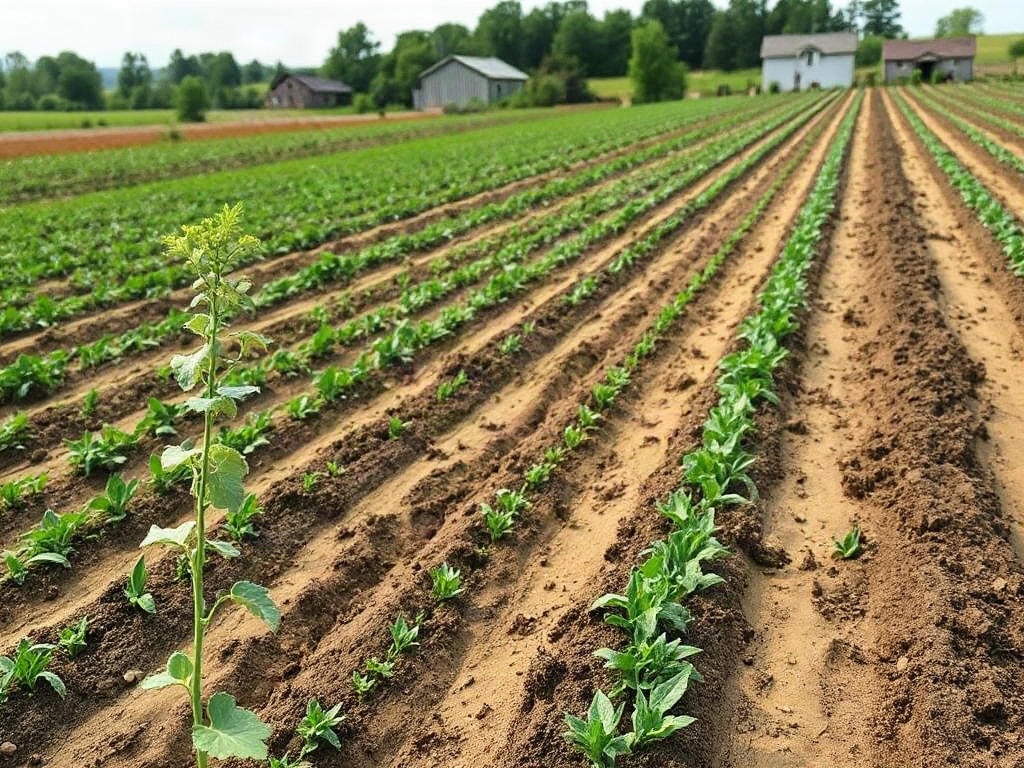
Dry farming basics for water-limited homesteads center on storing winter moisture in deep, well-structured soil and matching crops to the local dry season. Choose drought-tolerant grains, beans, squash, or selected perennial plants; prepare a weed-free seedbed; plant when the soil profile is charged; and protect that moisture with timely cultivation or carefully managed mulch.

Scroll to Top