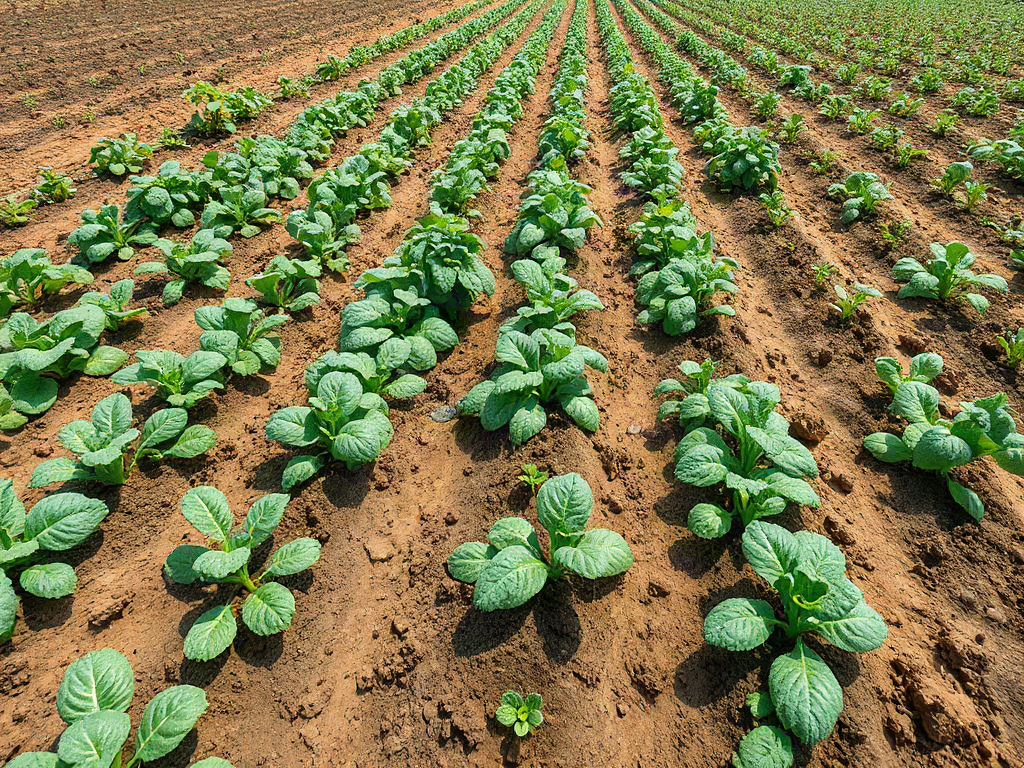
Dry farming techniques conserve limited moisture by capturing seasonal rainfall, storing it in a deep soil profile, and reducing losses before crops can use that water. Effective methods include controlling weeds, maintaining shallow surface mulch, spacing plants farther apart, selecting drought-adapted crops, and timing planting around dependable precipitation. Deep but infrequent supplemental watering may establish roots where dry farming alone is unreliable, while frequent shallow irrigation encourages vulnerable surface roots. Results depend heavily on soil depth, rainfall timing, temperature, wind, and crop choice; dry farming can produce a smaller harvest, but it may yield resilient plants and concentrated flavors where conditions are suitable.
What you’ll learn
This guide covers the following practical points:
- Assess Soil, Rainfall, and Crop Fit — Successful dry farming begins with the amount of water the root zone can actually hold, not with the average annual rainfall printed on a climate chart.
- Capture and Store Seasonal Rainfall — Stored soil moisture is the working water supply of a dry-farmed plot.
- Reduce Evaporation and Weed Competition — Weed removal often saves more crop moisture than elaborate soil treatments.
- Plant for a Limited Water Budget — Plant population determines how many roots must share the stored supply.
Assess Soil, Rainfall, and Crop Fit
Successful dry farming begins with the amount of water the root zone can actually hold, not with the average annual rainfall printed on a climate chart. Rain that falls outside the growing season may still support a crop if it infiltrates deeply and remains available. A shallow, stony soil can lose usable moisture quickly, while a deep loam or clay loam may retain winter and spring precipitation well into summer.
Examine soil at several depths rather than judging only the surface. A dry crust may cover moist soil, while a damp top inch can hide a dry subsoil. Dig inspection holes or use a soil probe after rain and again during a dry period. Note rooting depth, compacted layers, drainage, texture, and how rapidly moisture disappears. Hardpan, bedrock, or a high gravel content sharply reduces the stored-water reserve.
Crop selection must match that reserve. Dry beans, grain corn, winter squash, certain tomatoes, chickpeas, sunflowers, and established grapes are possible candidates in suitable climates, but no crop is universally dependable without irrigation. Large-fruited vegetables, shallow-rooted greens, and crops expected to remain succulent through hot weather generally demand more consistent moisture. A common mistake is treating drought tolerance as permission to plant in dry soil; even adapted crops usually need adequate moisture for germination and early root development.
Capture and Store Seasonal Rainfall
Stored soil moisture is the working water supply of a dry-farmed plot. Prepare the ground early enough to receive seasonal rain, repair compaction that blocks infiltration, and shape beds so water enters the crop area rather than running away. On a gentle slope, rows placed across the slope can slow runoff. Steeper ground requires erosion-aware design; simply blocking water without a safe overflow path can cut gullies or saturate unstable soil.
Organic matter can improve aggregation and infiltration, but adding compost does not create water. Incorporate mature amendments before the wet season when appropriate, then avoid repeated deep tillage that exposes moist soil. Excessively fluffy seedbeds may dry rapidly and make seed-to-soil contact poor. The goal is a settled profile that admits precipitation and allows roots to move downward.
Where limited irrigation is available, reserve it for establishment or a critical crop stage rather than applying small amounts every few days. A thorough watering that moistens the intended root zone can encourage deeper rooting; a light surface sprinkle often evaporates quickly and keeps roots near the top. Check the wetted depth with a trowel or probe instead of assuming a long watering session reached deeply. Runoff, crusted soil, and buried compaction can prevent water from reaching the expected depth.
Reduce Evaporation and Weed Competition
Weed removal often saves more crop moisture than elaborate soil treatments. Volunteer grasses and broadleaf weeds draw from the same root zone, and established weeds may compete even after their tops are clipped. Cultivate while weeds are small, working only shallowly enough to sever them without bringing moist subsoil to the surface.
A shallow layer of loose surface soil can interrupt capillary movement and slow evaporation. This “dust mulch” is produced through light cultivation after rain, once the ground is dry enough not to smear or compact. It should not be confused with deep, frequent tillage. Cutting too far down damages crop roots, accelerates moisture loss, and breaks soil structure.
Organic mulch presents a different tradeoff. Straw, leaves, or crop residue can shade the ground and reduce wind exposure, but thick mulch may keep cool spring soil from warming, shelter rodents, or intercept a small shower before it reaches the soil. Apply it only after confirming that the profile contains adequate moisture. In windy or fire-prone settings, anchored crop residue or shallow cultivation may be more practical than loose straw.
Signs that conservation is working include cool soil below the dry surface, roots extending downward, and plants recovering after normal afternoon droop. Persistent wilting after sunset, lower-leaf loss, flower abortion, and dry soil throughout the root zone indicate that the water budget is failing rather than merely becoming efficient.
Plant for a Limited Water Budget
Plant population determines how many roots must share the stored supply. Wider spacing gives each plant access to a larger soil volume, although it also leaves more ground exposed early in the season. The appropriate distance depends on crop size, soil depth, and expected rainfall, so dry-farmed spacing should not be copied automatically from an irrigated seed packet.
A practical planting sequence is:
- Plant into confirmed moisture. Place seed where damp soil can support germination without burying it beyond the crop’s safe emergence depth.
- Thin early. Remove excess seedlings before they consume a meaningful share of the reserve.
- Keep rows clean. Eliminate weeds before they establish deep root systems.
- Stop disruptive cultivation later. Once crop roots spread between rows, switch to hand removal or very shallow work.
Earlier planting can let roots develop before summer heat, while later planting may suit regions where dependable rain arrives after a dry spring. Calendar dates alone are weak guidance; soil temperature, frost risk, and moisture depth should drive the decision. Planting an entire plot at once is risky under uncertain conditions. A small test block reveals whether emergence, rooting, and available moisture justify expanding the method.
Monitor Crops and Correct Problems
Dry farming requires observation below ground because leaf appearance can be misleading. Some crops naturally wilt during the hottest part of the day and recover in the evening. Dig beside representative plants without severing major roots, then compare moisture at the surface, mid-root zone, and lower root zone. Record rainfall, cultivation, flowering, fruit set, and visible stress so later planting decisions rely on field evidence.
If the lower profile remains moist but plants wilt continuously, inspect for shallow rooting, root damage, disease, or a compacted layer. If the entire root zone is dry, cultivation cannot restore water that is no longer present. Reduce competition, harvest usable produce early, or provide a deep rescue irrigation if water is available. Allowing severely stressed plants to carry excessive fruit can exhaust them without producing a worthwhile crop.
Yield expectations should remain realistic. Wider spacing and deliberate water stress may reduce total volume even when individual fruits develop good flavor or storage quality. Dry farming is therefore most useful where seasonal precipitation can be banked in deep soil, land is available for wider spacing, and the grower accepts variable production. In shallow soils, prolonged heat, or erratic rainfall, deficit irrigation or water-efficient drip lines may be the more dependable choice.
Frequently Asked Questions
Is dry farming the same as never watering?
No. Some growers use rainfall alone, while others apply limited water for germination, transplant establishment, or severe stress. The defining approach is reliance on stored soil moisture rather than routine irrigation.
Which soil is most suitable for dry farming?
Deep loam or clay loam with good infiltration and substantial water-holding capacity is often favorable. Shallow, gravelly, highly compacted, or very sandy soil usually holds a smaller reserve.
Should dry-farmed crops be mulched?
Mulch may reduce evaporation after moisture is stored, but it can delay spring warming, harbor pests, or intercept light rain. Choose organic residue or shallow surface cultivation according to climate and field conditions.
How can I tell when a crop needs rescue irrigation?
Check soil at root depth. Wilting that persists after evening, flower or fruit loss, and dry soil throughout the profile suggest serious stress. Temporary afternoon droop alone does not confirm a water shortage.
Why are dry-farmed plants spaced farther apart?
Greater spacing reduces the number of plants drawing from a fixed soil-water reserve. It may lower yield per unit of land, but each remaining plant has access to a larger root-zone volume.
Conclusion
Begin with a small plot and verify moisture depth before planting. Give priority to deep infiltration, early weed control, conservative plant populations, and crops suited to the local rain pattern. Probe the soil throughout the season and distinguish temporary heat response from depleted root-zone moisture. Where the profile cannot store enough water, limited deep irrigation or a smaller planting is more sensible than forcing a rainfall-only system.