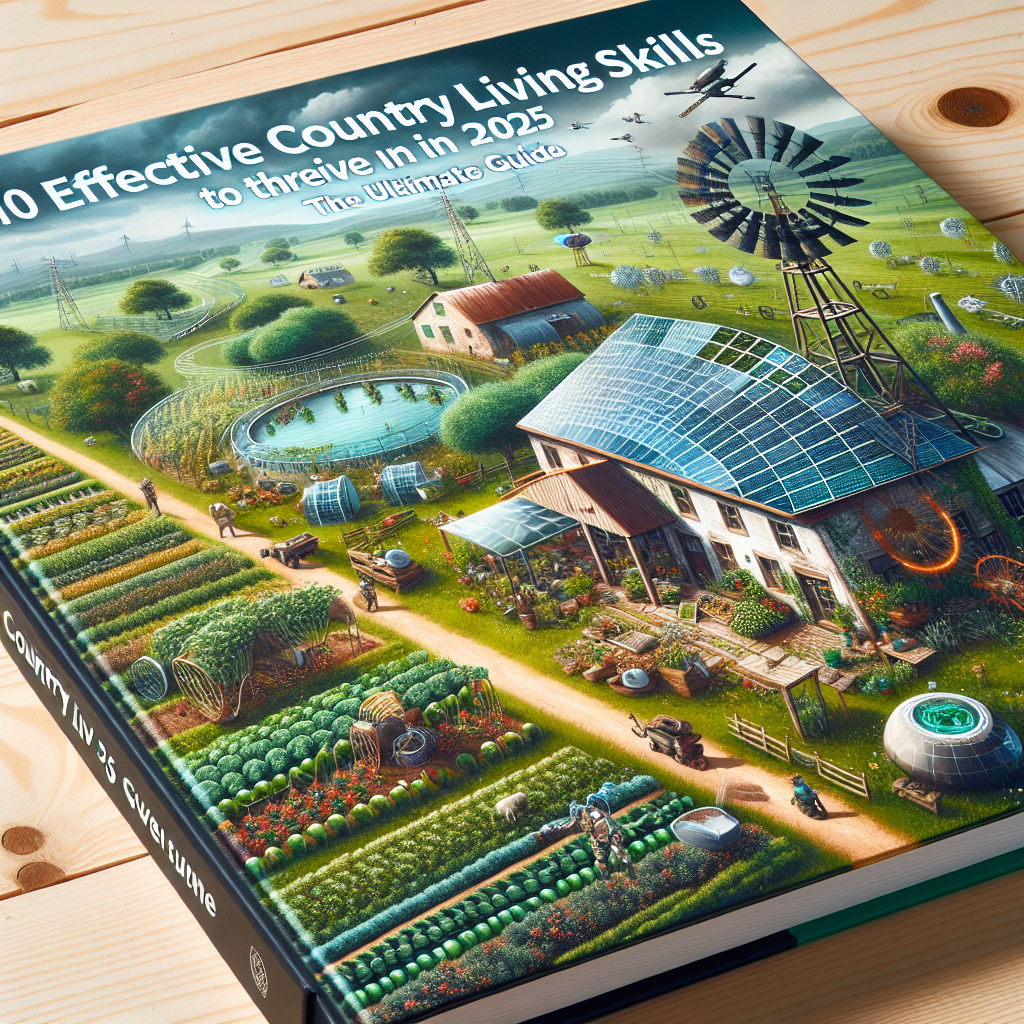
Starting your own home farm business can be an exciting and rewarding experience. It allows you to turn your passion for growing crops or raising animals into a profitable venture while also providing fresh, locally sourced produce to your community. However, starting a home farm business requires careful planning, dedication, and hard work. We’ll take a closer look at some tips on how to turn your hobbyist home farm into a successful business.
Introduction: Why Starting a Home Farm Business Makes Sense
There are many reasons why starting a home farm business makes sense. Firstly, there is a growing demand for local and organic food products as more people become health-conscious and environmentally aware. Secondly, starting a home farm business allows you to pursue your passion and create a lifestyle that aligns with your values. In closing, it provides the opportunity to earn extra income while working from home.
Planning Your Home Farm Business: Setting Goals and Creating a Plan
The first step in turning your home farm into a business is creating a plan. This involves setting goals, identifying your target market, researching regulations and licenses required, determining startup costs, and developing a marketing strategy. You should also consider forming a legal entity such as a limited liability company (LLC) to protect yourself from personal liability.
Choosing the Right Crops or Animals for Your Business
Once you have created a plan, the next step is choosing the right crops or animals for your business. Consider factors such as climate, soil conditions, water availability, and customer preferences when selecting what to grow or raise. Research different varieties of crops or breeds of animals to determine which ones are best suited for your region and customers’ needs.
Marketing Your Home Farm Products: Getting Customers to Buy From You
Getting customers to buy from you is crucial to the success of your home farm business. Start by identifying your target audience and understanding their buying habits. Develop a brand identity that resonates with your customers and creates a unique value proposition. Utilize social media platforms to reach potential customers and build relationships with them through engagement and storytelling. Attend farmers markets and other events where you can showcase your products and connect with consumers face-to-face.
Managing Your Finances: Keeping Track of Expenses and Income
Financial management is essential to running any successful business, including a home farm business. Keep track of all expenses related to your operation, including seed costs, fertilizer, equipment maintenance, labor, and utilities. Also, keep track of your revenue streams, including sales at farmers markets, direct-to-consumer deliveries, and wholesale accounts. Use financial software tools like QuickBooks or Xero to help manage your finances efficiently.
Popular Questions
Why does starting a home farm business make sense for beginners?
Starting a home farm business can turn available land, time, and practical skills into a potential source of income. Beginners can start small with products suited to their space, such as eggs, seedlings, herbs, vegetables, or handmade farm goods. Testing demand locally before expanding can reduce financial risk and make the business easier to manage.
What are the main benefits of starting a home farm business?
A home farm business may provide extra income while allowing you to work close to home and control how products are grown or made. It can also reduce household food costs by supplying fresh produce, eggs, or other essentials. Begin by listing your resources, choosing one or two manageable products, and estimating expenses before making larger purchases.
How can starting a home farm business create income from a small property?
A small property can support profitable activities when space is used for high-demand, fast-selling products rather than large-scale crops. Consider intensive gardens, container growing, microgreens, poultry products, plant starts, or value-added goods, depending on local rules. Research nearby customers, calculate the cost per unit, and choose an offering that fits your available space and labor.
What should you consider before starting a home farm business?
Before starting a home farm business, evaluate zoning requirements, water access, storage, equipment, labor, and the time required for daily care. Create a simple budget that includes startup costs, ongoing expenses, packaging, transportation, and possible permits. Speaking with potential customers and making a small trial sale can help confirm whether the idea is practical before you expand.
Conclusion
Turning your home farm into a business takes time, effort, and dedication. But with proper planning, attention to detail, and commitment to quality, you can create a thriving enterprise that not only generates income but also contributes to the wellbeing of your community.