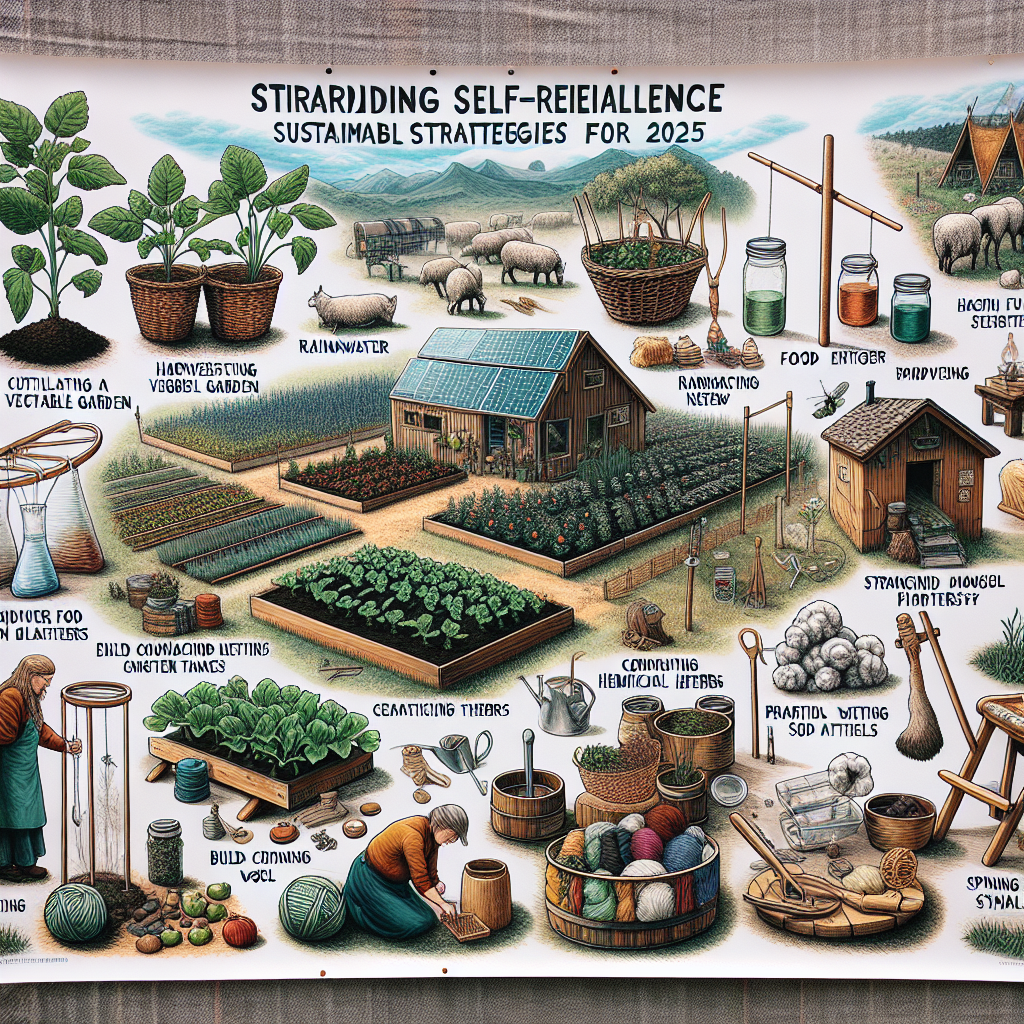
Are you tired of buying produce that’s been picked too early, shipped long distances and stored improperly? Do you want fresh vegetables with vibrant flavors and nutrients that are grown right in your own backyard? If so, home farming is for you! In this guide, we will walk you through the steps of growing vegetables from seed to harvest.
Choosing the Right Vegetables to Grow
The first step to successful home farming is choosing the right vegetables to grow. Consider which ones you enjoy eating and research which varieties do well in your area. Some popular choices include tomatoes, lettuce, carrots, beans, and peppers. You may also want to consider planting herbs like basil or chives to add flavor to your meals.
Preparing the Soil and Planting Seeds
Once you have chosen your vegetables, it’s time to prepare the soil. Remove any weeds or debris from the area and mix in compost or other organic matter to enrich the soil. Next, follow the instructions on your seed packets to determine when and how to plant them. Most seeds should be planted about an inch deep and spaced according to the package directions. Be sure to keep the soil moist but not overwatered until the plants begin to emerge.
Caring for Your Plants Throughout the Season
As your plants start to grow, there are several things you can do to ensure they thrive. Keep the soil moist but not waterlogged, and fertilize as needed. You may also need to prune suckers or deadhead flowers to encourage growth. Additionally, watch out for pests and diseases that could harm your plants. Natural remedies such as neem oil or garlic spray can help deter pests without harming beneficial insects.
Harvesting Your Homegrown Vegetables
When your vegetables are ready to harvest, you will know it! The fruit will be mature and ripe, and you will likely see signs of wilting or yellowing leaves. Pick your vegetables at their peak ripeness to maximize taste and nutrition. Don’t forget to save some seeds from your best-performing plants to use next year!

Preserving Your Harvest for Winter Months
After all your hard work, you don’t want your homegrown veggies to go bad before you can eat them. There are many ways to preserve your harvest for winter months, including freezing, canning, pickling, and drying. Experiment with different methods to find what works best for you and your family.
To wrap up, home farming is a rewarding hobby that allows you to grow fresh, healthy food right in your own garden. By following these simple steps, you can successfully grow vegetables from seed to harvest and beyond. Happy farming!
Popular Questions
How do you start choosing the right vegetables to grow?
Begin by evaluating your local climate, growing season, and available sunlight. Choose vegetables that match your area's planting dates and the number of frost-free days. For a first garden, select a few dependable crops that your household enjoys eating and that fit the space you can maintain.
What should you consider when choosing vegetables to grow in a small garden?
Focus on compact, productive crops such as bush beans, lettuce, radishes, herbs, and patio tomatoes. Check the mature size of each plant before placing it in a bed or container. Vertical supports can make room for cucumbers, peas, and pole beans without requiring a large footprint.
How does sunlight affect choosing the right vegetables to grow?
Most fruiting vegetables, including tomatoes, peppers, cucumbers, and squash, need about six to eight hours of direct sunlight daily. Leafy greens and many herbs can tolerate partial shade, especially during hot weather. Observe your garden throughout the day and match crops to the areas with the light they require.
How can beginners choose vegetables that are easy to grow?
Beginners can start with vegetables that germinate quickly or tolerate minor growing mistakes, such as radishes, lettuce, bush beans, kale, and zucchini. Select disease-resistant varieties when they are available and follow the recommended planting depth on the seed packet. Plant a small number of varieties first so watering, weeding, and harvesting remain manageable.