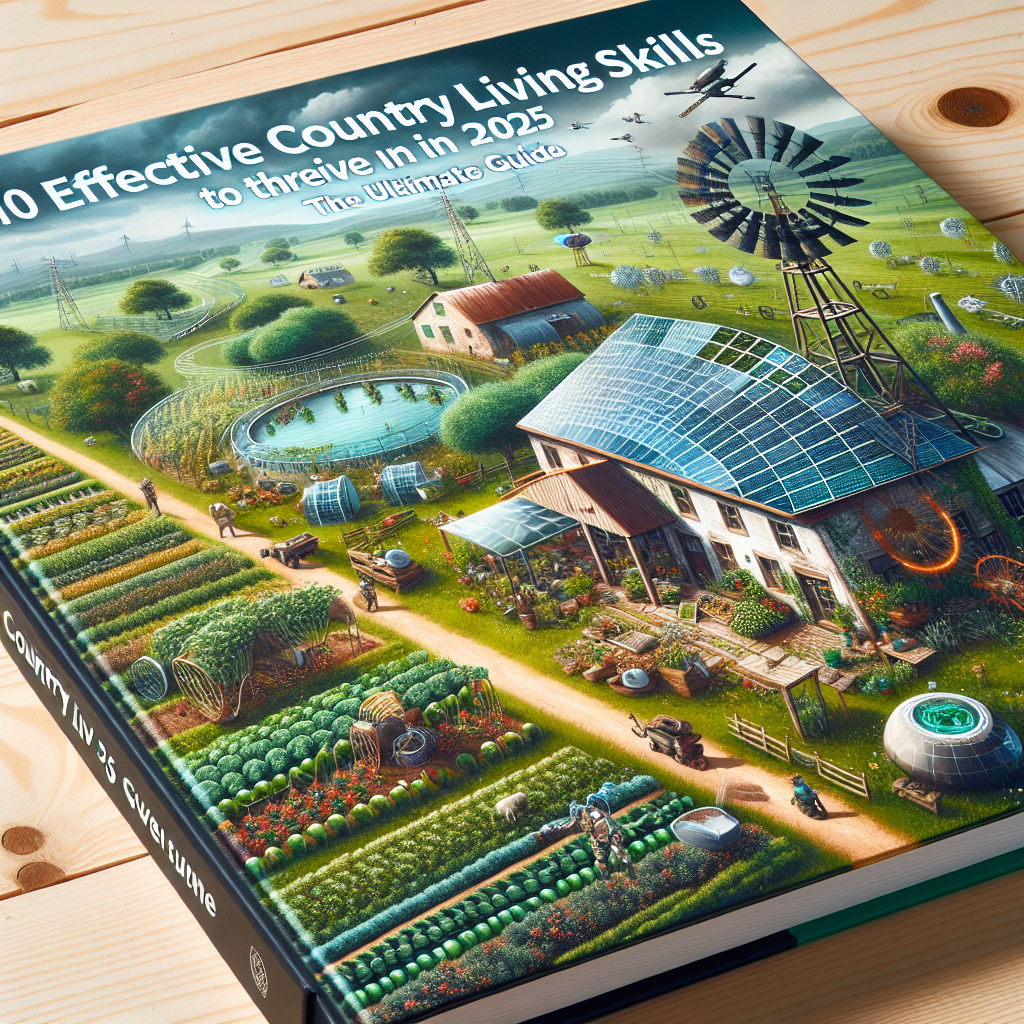
Are you tired of buying produce that’s been picked too early or has traveled hundreds of miles? Do you want fresh vegetables and fruits grown right in your own backyard? If so, then home farming is the perfect solution. In this guide, we will cover everything from soil preparation and planting to harvesting and storage. Let’s get started!
Soil Preparation and Planting
The first step to growing your own crops is getting your soil ready. You can start by testing your soil to see what nutrients it needs. Once you know what your soil lacks, you can add compost, manure, or other organic matter to enrich it. It’s also essential to till the soil to loosen it up and remove any weeds or debris.
When it comes time to plant, make sure to follow the instructions on the seed packets carefully. Most seeds need to be planted at a specific depth and spacing. You should also consider using starter pots if you have limited space or live in an area with a short growing season.
Caring for Your Crops
Once your plants are established, they will require regular care to ensure they grow healthy and strong. This includes watering them regularly (but not overwatering), fertilizing when necessary, and keeping an eye out for pests and diseases. You may also need to prune or trim certain plants to encourage growth.
Harvesting and Storage
Depending on the type of crop, you may need to wait several weeks or months before harvesting. When the time comes, make sure to pick your produce at its peak ripeness. To store your crops properly, use containers or bags that allow airflow but prevent moisture build-up. For example, root vegetables like carrots and potatoes can be stored in dark, cool places like a basement or root cellar.
Troubleshooting Common Garden Problems
Even with proper care, garden problems can arise. Some common issues include poor germination rates, insect infestations, and disease outbreaks. To address these challenges, try using natural remedies such as companion planting or making homemade sprays using garlic or neem oil. You can also rotate your crops each year to reduce the likelihood of pests and diseases.
In closing, home farming doesn’t have to be complicated or intimidating. By following these steps and taking good care of your crops, you can enjoy fresh, delicious produce all season long. So why not give it a try? With some effort and dedication, you can reap the benefits of home farming and take pride in knowing where your food comes from.
Popular Questions
How do you prepare soil before planting?
Remove weeds, rocks, and old plant debris from the bed before working the soil. Loosen compacted soil with a garden fork or spade, but avoid digging when it is wet because this can damage its structure. Mix in finished compost or well-rotted organic matter, then rake the surface smooth before planting.
What soil amendments are best for soil preparation and planting?
Finished compost is a useful amendment for improving moisture retention, drainage, and nutrient availability in many garden soils. A soil test can show whether lime, sulfur, or a specific nutrient is needed before planting. Add only the recommended amount, since excessive fertilizer or amendment can harm plants and disrupt soil balance.
How can you tell if garden soil is ready for planting?
Squeeze a handful of soil to check its moisture before beginning soil preparation and planting. If it forms a muddy ball, wait several days; if it falls apart into loose crumbs, it is usually ready to work. The soil should be moist enough to hold together lightly but dry enough not to stick to tools.
How deep should soil preparation and planting be for seeds and seedlings?
Prepare the soil to a depth that matches the crop’s root needs, usually about 6 to 12 inches for many vegetables. Plant seeds at the depth listed on the seed packet, since small seeds often need only a shallow covering. Set seedlings at the same depth they grew in their containers, firm the soil gently around the roots, and water thoroughly.