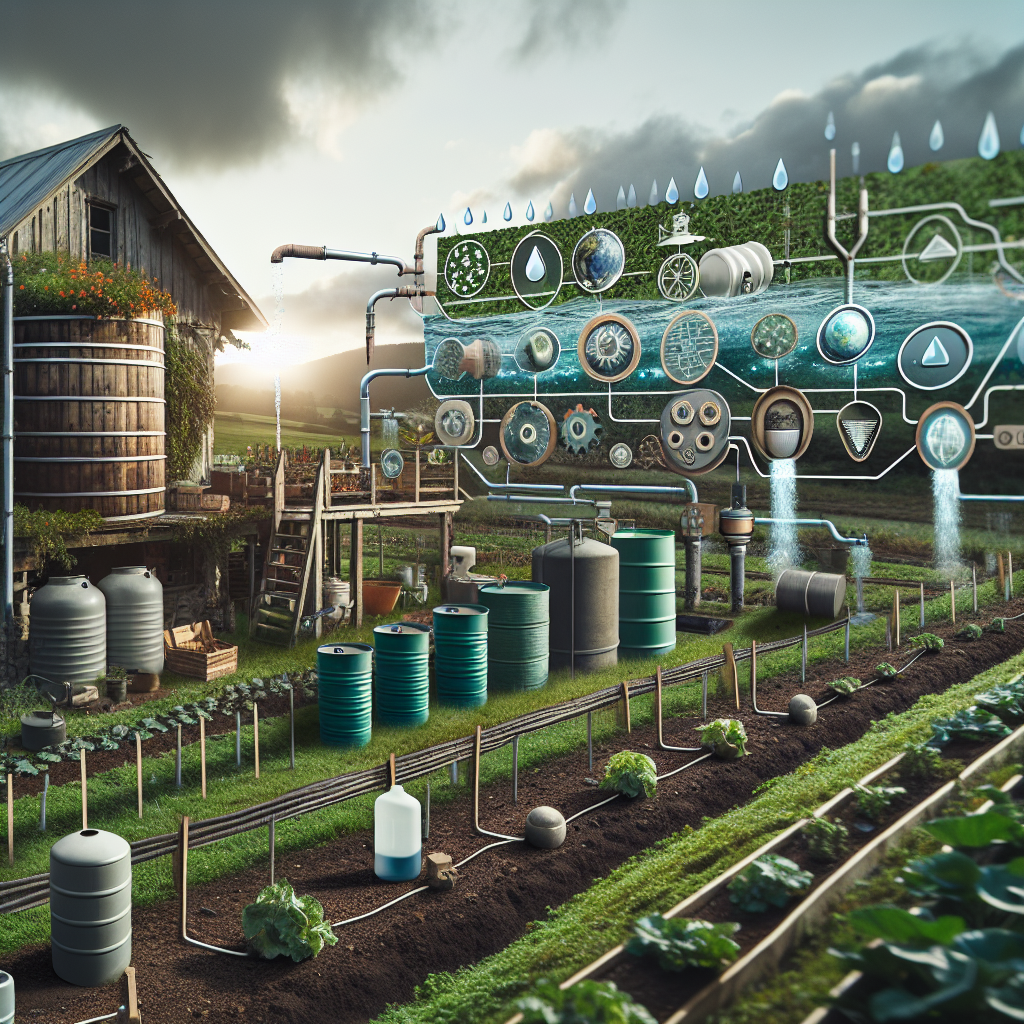
Welcome to the world of home farming! Growing your own food is not only a fun and rewarding hobby, but it can also save you money on groceries and provide you with fresh, healthy produce. In this blog post, we’ll cover everything you need to know to start growing your own food at home, from seed to harvest.
First things first: let’s talk about choosing the right plants and seeds for your home farm. The key here is to choose varieties that are well-suited to your climate and growing conditions. Consider factors like sunlight, soil type, and water availability when selecting your crops. You may want to consult with other experienced gardeners in your area or do some research online to find out which plants are most likely to thrive in your specific environment.
Once you’ve chosen your crops, it’s time to prepare your garden for planting. This involves several steps, including removing any existing vegetation or debris from the area, tilling the soil to loosen it up, and adding any necessary amendments (like compost or fertilizer) to enrich the soil. It’s also important to consider the layout of your garden, making sure to leave enough space between each plant to allow for proper growth and airflow.
Now that your garden is ready for planting, it’s time to get those seeds into the ground! Be sure to follow the instructions on the seed packets carefully, paying attention to depth and spacing recommendations. It’s also important to keep track of the date you planted each crop so you know when to expect them to mature.
As your crops begin to grow, there are several things you can do to ensure they stay healthy and productive. Regularly check for signs of pests or disease, and take action if needed to prevent further damage. Keep an eye on the moisture levels in your soil as well, adjusting irrigation as needed to maintain optimal hydration without overwatering. Ultimately, be patient! Depending on the variety of plant you’re growing, it could take anywhere from a few weeks to several months before you see the fruits (or veggies!) of your labor.
Ultimately, growing your own food at home can be both satisfying and challenging. By following these tips and taking care of your crops throughout their lifecycle, you’ll have a successful home farm in no time!
Popular Questions
How do you start growing your own food at home from seed to harvest?
Choose crops suited to your climate, available space, and the season before buying seeds. Start seeds in clean containers with quality seed-starting mix, provide bright light, and keep the soil evenly moist. Transplant sturdy seedlings after they have developed several true leaves and outdoor conditions are suitable. Keep a simple planting calendar so you can track care, growth, and expected harvest dates.
What do vegetables need to grow successfully from seed to harvest at home?
Most vegetables need at least six hours of direct sunlight, fertile well-drained soil, and consistent moisture. Improve garden soil with compost and follow the spacing recommendations on each seed packet to reduce competition and disease. Water deeply when the soil begins to dry rather than sprinkling lightly every day. Mulch around established plants to conserve moisture and limit weeds.
How can you protect a home garden while growing food from seed to harvest?
Inspect leaves and stems regularly for insects, holes, discoloration, or signs of disease. Remove damaged foliage, handpick larger pests, and use row covers or netting when appropriate. Avoid wetting leaves late in the day, and give plants enough space for airflow. Rotate crop locations between seasons to help reduce recurring soil pests and diseases.
When should you harvest food grown at home from seed to harvest?
Harvest each crop according to its size, color, texture, and the timing listed on the seed packet. Pick leafy greens and herbs frequently to encourage new growth, and harvest beans, peas, and zucchini while they are tender. Use clean scissors or a knife for crops that should not be pulled. Harvest during the cool part of the day and refrigerate or preserve produce promptly for the best quality.