
You don’t need acreage or a green thumb to start an organic garden—just a small patch of enthusiasm and a few smart strategies. If your calendar is crowded, let your garden work with you, not against you. Here’s how to plan, build, and maintain a low-fuss, high-reward organic space that thrives on a little care and a lot of natural goodness.
Start Small: Planning a Low-Maintenance Organic Garden
Begin with a single bed, a few containers, or a compact raised box. Limit the area to what you can comfortably manage in 10–30 minutes a day. Choose a spot that gets at least six hours of sunlight for vegetables, or four to six hours for many herbs and ornamentals. Keep paths, edges, and bed shapes simple—rectangle beds are easier to mulch, weed, and water. Map your garden on paper first: mark sun patterns, water access, and where you’ll stand to work. That tiny planning step prevents future headaches and keeps expansion intentional.

Feed the Soil: Easy, Natural Soil-Building Techniques
Soil is where organic gardening wins or loses. Instead of buying synthetic fertilizers, feed your soil with organic matter. Layer compost annually, or top-dress with finished compost in spring to enrich microbes and improve texture. Bokashi or worm castings are excellent for container gardens. Mulch with straw, leaves, or wood chips to conserve moisture and slowly add organic matter as they break down. For a quick boost, brew a batch of compost tea: steep a shovelful of mature compost in water for a couple of days, strain, and water at the base of plants. Healthy soil retains water, feeds plants naturally, and reduces pest and disease pressure.
Choose Wisely: Low-Maintenance Plants for Busy Schedules
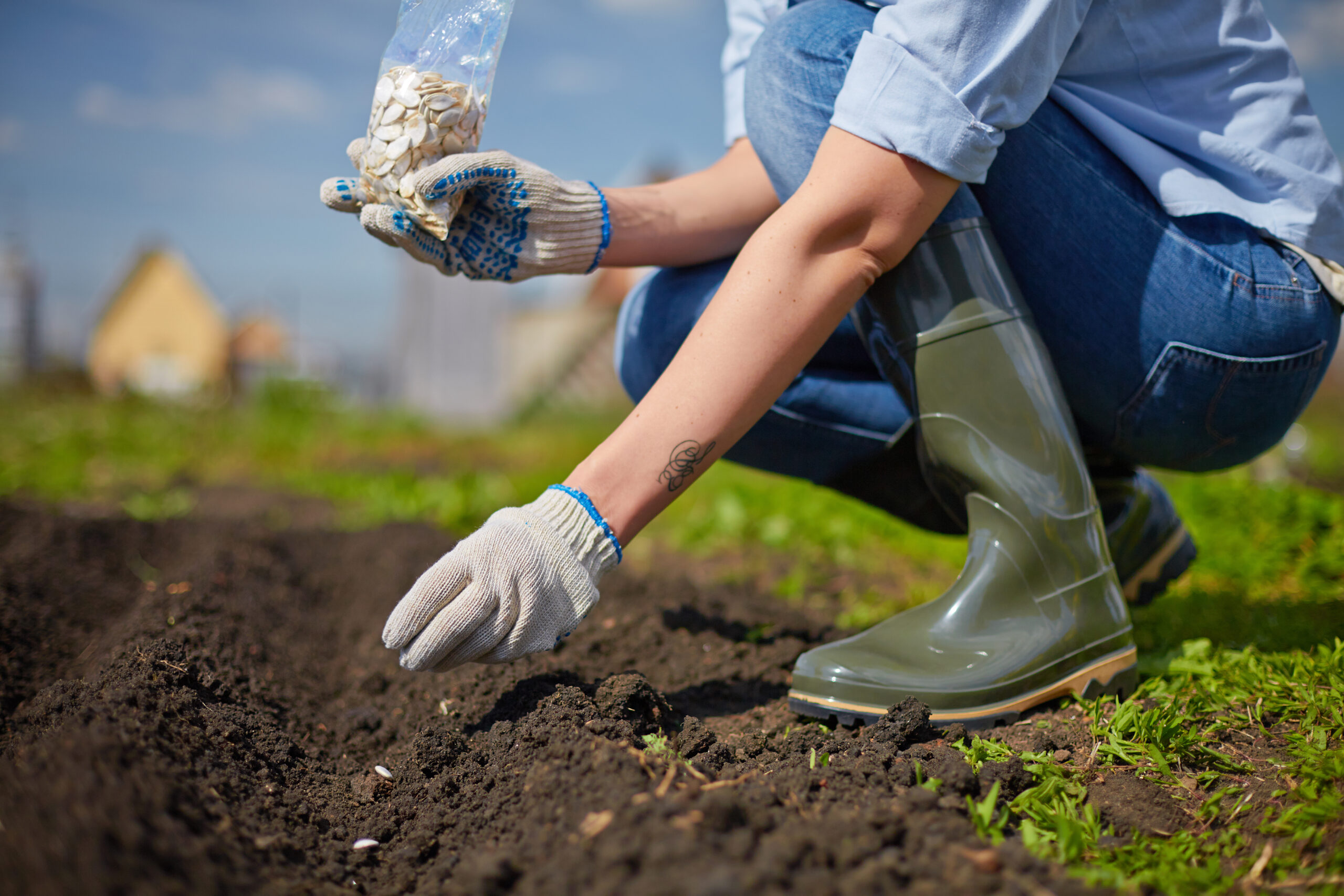
Pick plants that forgive gaps in attention. Herbs like thyme, oregano, rosemary, and sage are drought-tolerant and low-care. Salad greens (mixed lettuces, arugula, mizuna) grow fast and can be harvested continuously, giving frequent rewards for little effort. Cherry tomatoes, bush varieties rather than vining types, are productive without constant pruning. Beans, radishes, and zucchini are classic easy wins. Native perennials, like Echinacea and sedum, attract beneficial insects and come back year after year. When shopping, look for disease-resistant varieties and ask local gardeners for plants proven in your climate.
Care in Minutes a Week: Efficient Watering, Mulching & Natural Pest Control
Efficient routines save time. Water deeply but infrequently—early morning watering encourages roots to grow deeper and reduces evaporation. Use drip irrigation or soaker hoses on a timer to cut watering to minutes. Mulch heavily to suppress weeds and retain moisture, reducing weeding sessions dramatically. For pests, focus on prevention: encourage ladybugs and lacewings by planting flowers and avoiding broad-spectrum pesticides. Handpick larger pests, use row covers for seedlings, and try homemade sprays like a mild soap solution for aphids. Rotate crops yearly and avoid monocultures to naturally reduce disease buildup.
A small, well-planned organic garden can fit into any busy life. With healthy soil, resilient plant choices, and a few minutes of focused care each week, you’ll grow more food, more beauty, and less stress. Start small, think long-term, and let nature do most of the work.
Popular Questions
How do you start small when planning a low-maintenance organic garden?
Choose a compact, sunny area close to your home so watering and harvesting are easy. Begin with a few reliable organic crops that match your climate, such as herbs, salad greens, or bush beans. Keep the first growing season simple, then expand only after you know how much time the garden requires.
Which plants are best for a low-maintenance organic garden?
Select healthy, locally adapted plants that tolerate your soil and seasonal conditions. Perennial herbs, leafy greens, bush beans, and compact vegetables can provide useful harvests without demanding extensive care. Group plants with similar water and sunlight needs to make routine maintenance easier.
How can you reduce watering in a small organic garden?
Improve the soil with finished compost before planting so it can hold moisture while still draining well. Apply a layer of organic mulch around plants to slow evaporation and limit weed growth. Water deeply at the soil level when the surface begins to dry, preferably in the morning.
What is the easiest way to control weeds organically in a small garden?
Remove weeds while they are young, when they can be pulled with minimal disturbance to garden plants. Cover exposed soil with straw, shredded leaves, or another chemical-free mulch, keeping it a few inches away from plant stems. Planting in a small, well-spaced bed also makes regular hand weeding quick and manageable.