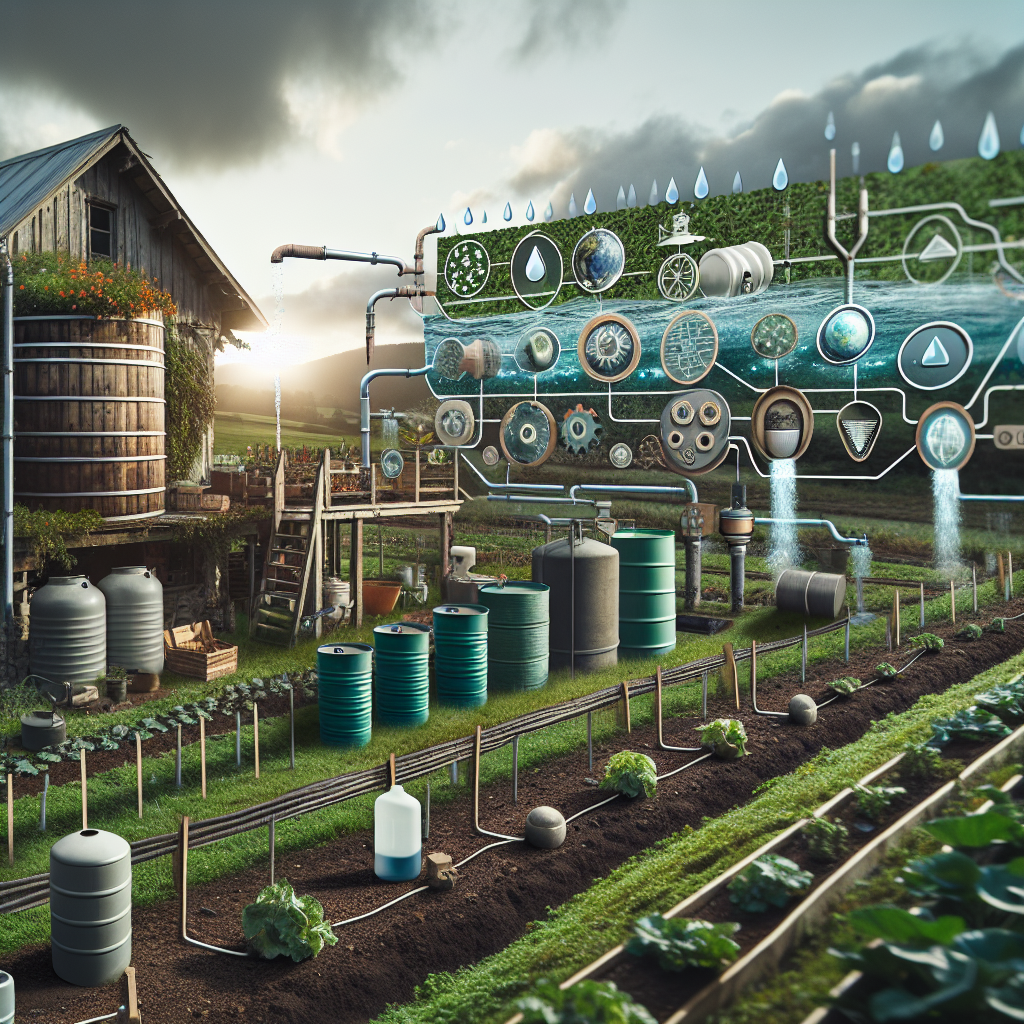
The Joy of Homemade: How to Get Started with DIY on the Homestead
There’s something truly satisfying about making things by hand. Whether it’s cooking a meal from scratch or building your own furniture, homesteaders know that there’s no better feeling than creating something with their own two hands. If you’re new to DIY on the homestead, here are some tips for getting started:
1. Start small – Don’t try to tackle too much at once. Pick one project and focus on mastering it before moving onto another.
2. Use resources like YouTube tutorials and online articles to learn techniques and get inspiration.
3. Practice patience – Making things by hand takes time and effort. Be patient with yourself as you learn and don’t be afraid to make mistakes.
From Scratch: Simple Recipes for Homemade Food and Drinks
One of the best parts of homesteading is being able to enjoy delicious food made from ingredients grown right in your backyard. Here are some simple recipe ideas to get you started:
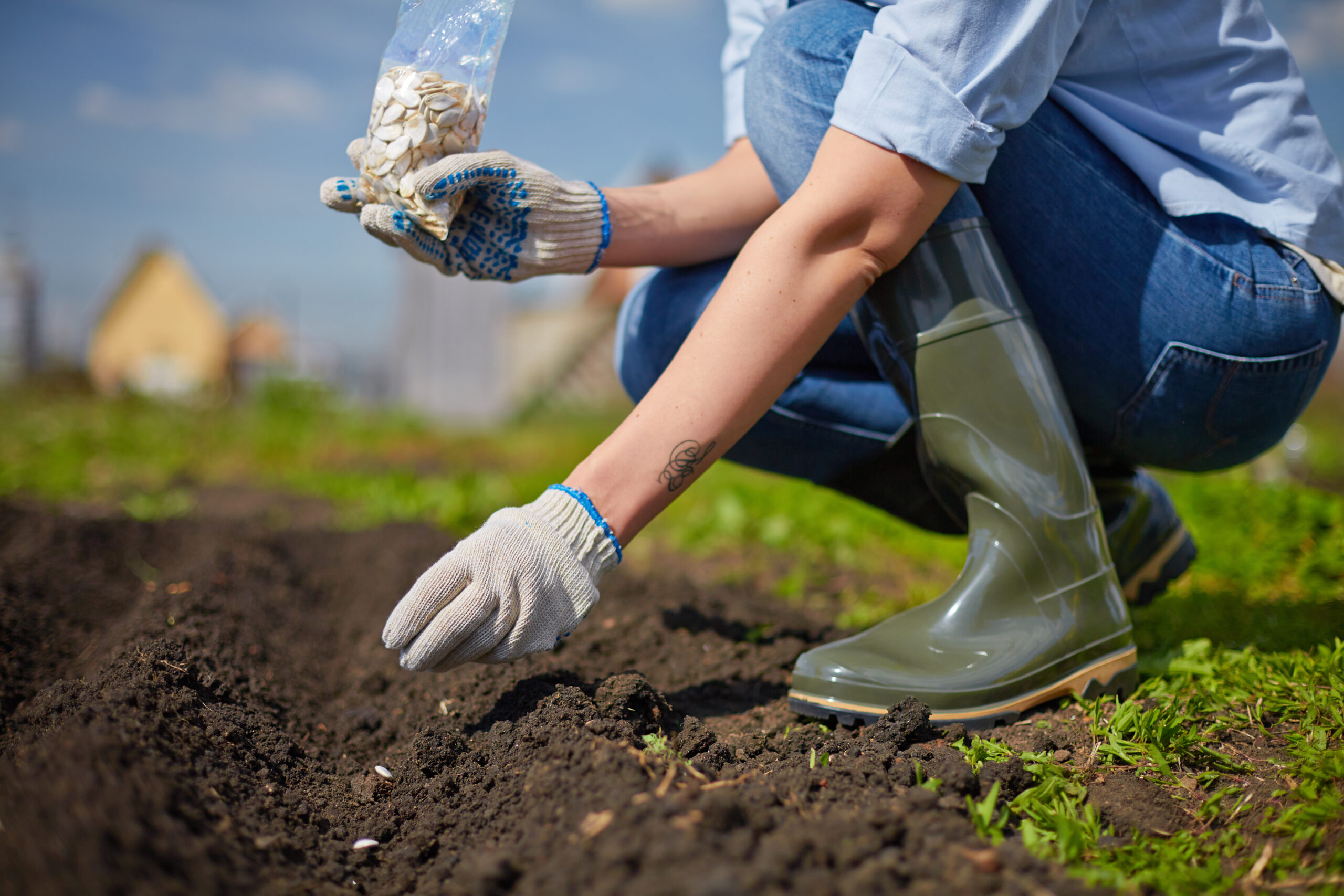
1. Homemade bread – There’s nothing quite like the smell of freshly baked bread wafting through your kitchen. Try this easy recipe for whole wheat bread.
2. Fresh tomato sauce – Make use of those juicy summer tomatoes by canning them into tasty tomato sauce. This recipe only requires three ingredients!
3. Kombucha – This fermented tea drink is not only delicious but also packed full of probiotics. It’s super easy to make at home, too.
Handcrafted Goods: Making Your Own Tools, Furniture, and Decor
Making your own tools, furniture, and decor is not only cost-effective but also incredibly rewarding. Here are some projects to consider trying out:
1. Garden planters – Instead of buying expensive terra cotta pots, why not create your own? You can even customize them with paint or stencils.
2. Wooden chairs – With just a few pieces of wood and some basic carpentry skills, you can build your very own wooden chair.
3. Woven rugs – Add some cozy texture to your floors with a beautiful handwoven rug. All you need is some yarn and a loom (or your fingers).
Self-Sufficiency 101: Tips for Growing Your Own Food and Raising Livestock
Growing your own food and raising livestock is an important part of self-sufficiency on the homestead. Here are some tips to help you get started:
1. Start small – Again, start with just a few plants or animals until you feel confident enough to expand.
2. Research – Learn everything you can about growing crops and raising livestock so that you can provide them with the best care possible.
3. Experiment – Don’t be afraid to experiment with different methods and techniques to see what works best for you.
Popular Questions
How can beginners experience the joy of homemade projects on a homestead?
Begin with one manageable project, such as preparing a simple recipe from scratch, making a homemade drink, or building a small useful item. Choose something that matches your current skills and available tools so you can finish it without feeling overwhelmed. Completing a small project builds confidence before you take on more involved DIY work.
What is a good first DIY project for someone starting homemade work on the homestead?
A basic from-scratch recipe is an accessible place to begin because it requires few tools and gives you quick, practical results. Try homemade bread, preserves, or a simple drink while following the instructions carefully. Once you are comfortable, you can progress to projects such as simple furniture or other handmade household items.
How can online tutorials help with getting started in DIY homesteading?
YouTube tutorials and online articles can demonstrate techniques that are difficult to learn from written instructions alone. Watch the entire tutorial before starting, gather the recommended materials, and pause the video as you practice each step. Compare a few reliable guides when learning an unfamiliar skill, especially for projects involving tools or unfamiliar methods.
How should homesteaders handle mistakes while learning to make things by hand?
Patience is essential because handmade food, drinks, furniture, and other projects may not turn out perfectly on the first attempt. Treat mistakes as useful information, note what went wrong, and adjust one part of the process during your next try. Work at a steady pace and focus on mastering one project before moving on to another.