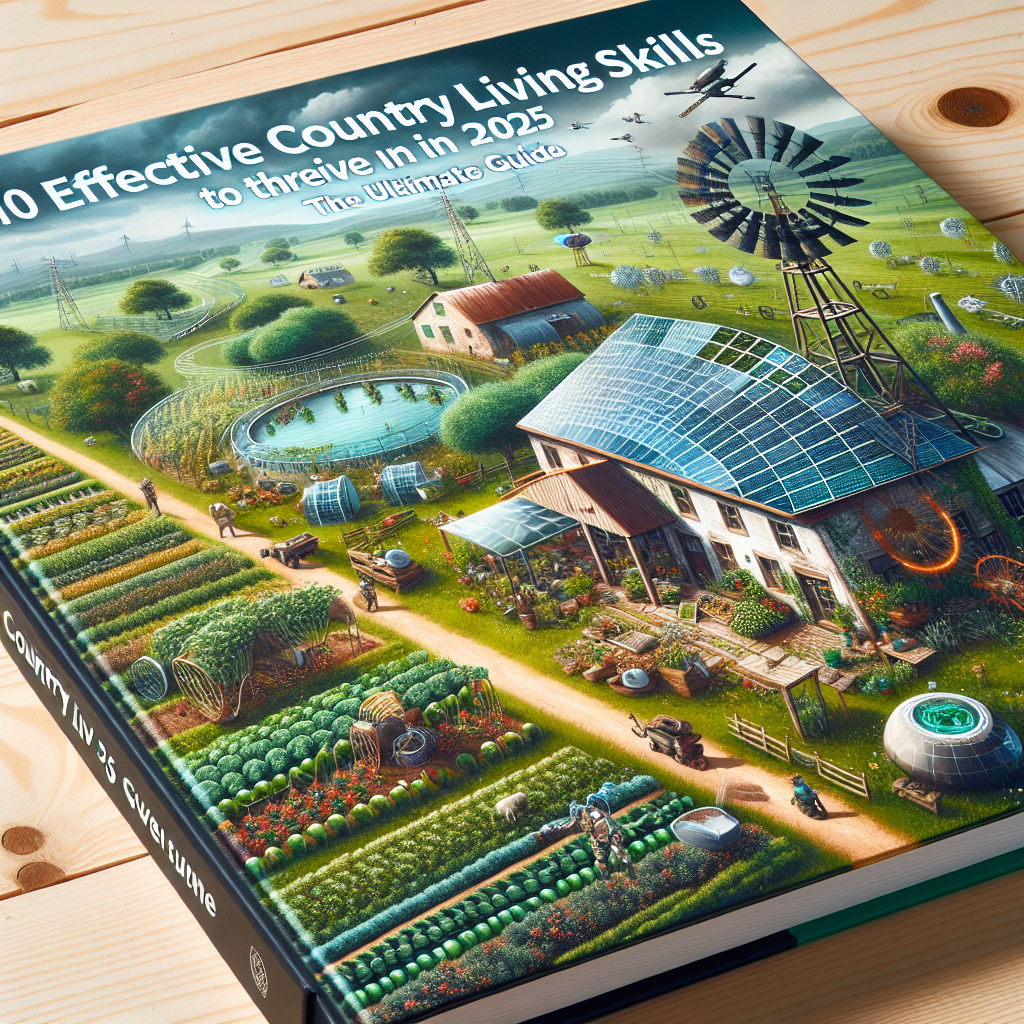
 So you think you want to Live Off the Land?
There are so many different ways to live off the land and to become self sufficient. Some of these ways include growing your own food, raising animals and even making your own fuel for cooking. This article will discuss some of the ways you can do this.
You can start by looking at your current lifestyle and see what you could do to cut back on your expenses. If you have a car, then consider trading it in for a bike or walk to work. You may also want to look into getting a second job or working from home. These things will help you to reduce your expenses and give you the freedom you want.
Another way to live off the land is to grow your own food. You can grow as much food as you need and save money. You can also sell your extra produce to other farmers and earn extra money. This is one of the best ways to live off the land because you can grow your own food and save money.
If you do not want to grow your own food, then you can buy organic food instead. Organic food is grown without pesticides or chemicals and is usually more expensive than regular food. However, you can still buy organic food and eat it at restaurants. It is also possible to buy organic food at stores, but you may have to pay more than normal.
If you want to raise animals, you can buy them from a local farmer and feed them with food you have grown yourself. You can also find a local farmer and learn how to raise your own livestock. You can sell the meat from your animals and make a profit. You can also raise chickens and sell eggs.
You can also use your animals to make fuel for your home. You can take your animal’s manure and use it to make fuel for your home or for a generator. You can also use the urine to clean your house.
These are just a few ways to live off the land. There are many other ways to live off the land, but these are just a few of the most popular.
Popular Questions
What should you consider before deciding to live off the land?
Start by assessing your reasons, available time, budget, skills, and tolerance for physical work. Living off the land usually involves several connected responsibilities, including growing food, preserving harvests, maintaining shelter, and managing animals or water. Visit working homesteads, take practical classes, and try small projects before making a major commitment.
How much land do you need to live off the land?
The amount of land depends on your goals, climate, soil quality, water access, and whether you plan to raise livestock. A small property may support a garden, fruit trees, herbs, and limited poultry, while larger animals and substantial grain production require more space. Check zoning rules, irrigation options, fencing needs, and soil conditions before buying land.
Can a beginner realistically learn to live off the land?
Yes, but beginners should build skills gradually rather than attempting complete self-sufficiency immediately. Begin with manageable tasks such as growing a few reliable crops, cooking from basic ingredients, composting, and preserving small harvests. Keep written notes about costs, yields, failures, and seasonal timing so each project improves the next one.
What are the hardest parts of trying to live off the land?
The hardest parts are often consistent daily labor, unpredictable weather, financial pressure, and the need to solve problems without immediate outside help. Food production can fail because of pests, drought, disease, or poor timing, while animals require care every day. Maintain emergency supplies, learn basic repair skills, develop backup income, and avoid relying on one crop or one source of food.