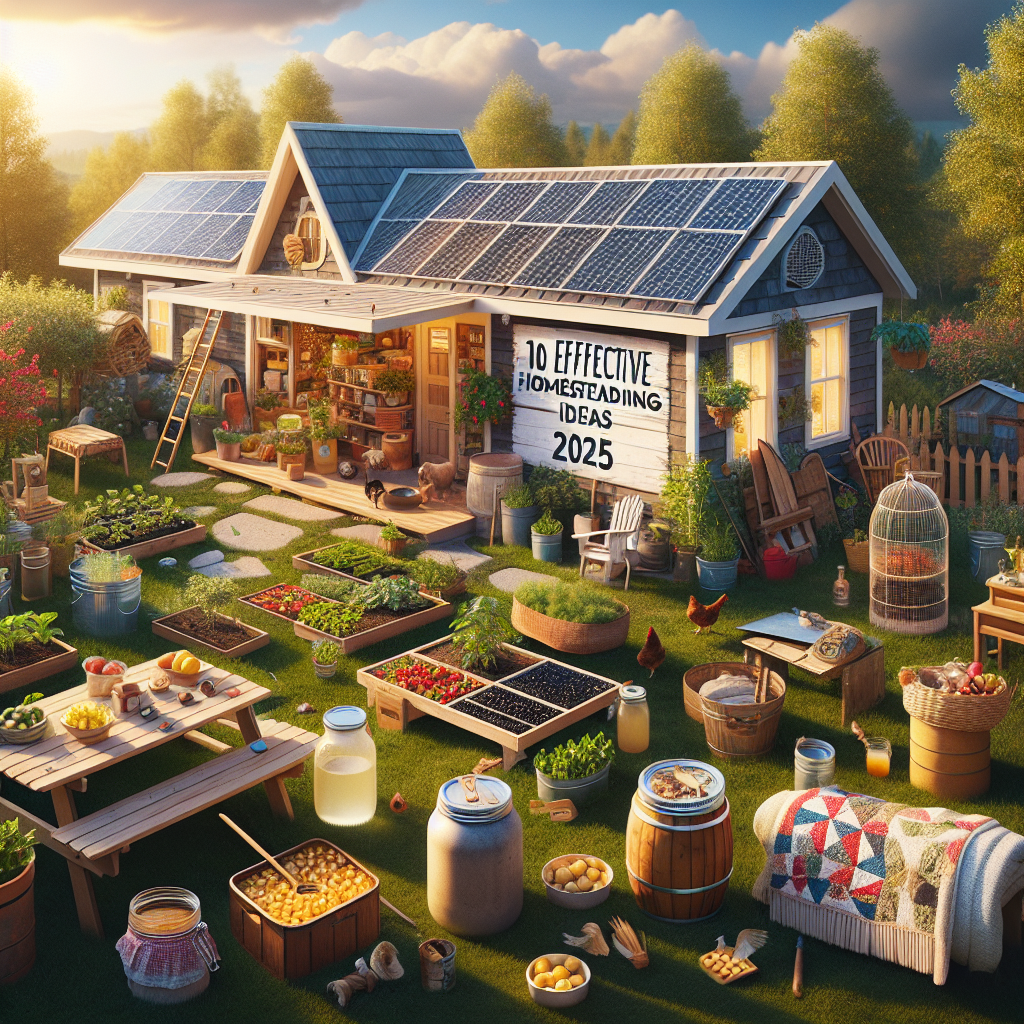
 Living on a homestead can be a dream come true for those who love self-sufficiency and living off the land. However, the cost of starting a homestead can be overwhelming. With land to purchase, buildings to construct, and animals to care for, the costs can add up quickly. Fortunately, there are ways to homestead on a budget. We’ll take a closer look at some tips and tricks for living a thrifty lifestyle on your homestead.
1. Start Small
Starting small is one of the best ways to keep your costs down when homesteading. You don’t need a vast array of animals or acres of land to begin living a self-sufficient lifestyle. Consider starting with a small garden or a few chickens. This will allow you to learn the ins and outs of homesteading without breaking the bank.
2. Focus on Necessities
When setting up your homestead, focus on necessities first. This means thinking about your basic needs, such as food, water, and shelter. Don’t worry about the extras until you have the basics covered. For example, you may want to invest in a high-quality water filtration system before you think about adding solar panels.
3. Barter and Trade
One of the best ways to save money on a homestead is to barter and trade for goods and services. For example, if you have excess eggs, you can trade them with a neighbor for fresh produce. You may also be able to trade your skills or services with others in your community. This can be a great way to save money and build relationships with your neighbors.
4. Use Secondhand Materials
Building materials and equipment can be expensive. However, you don’t always need to buy new. Look for used materials and equipment to save money. Check out local classifieds, estate sales, and flea markets for deals on secondhand items. You may also be able to get free materials by asking around in your community.
5. Grow Your Own Food
Growing your own food is one of the best ways to save money on a homestead. Not only will you have access to fresh produce, but you’ll also save on grocery bills. Start by planting a small garden and gradually expand as you become more comfortable. You may also want to consider preserving your harvest by canning or freezing.
6. DIY Projects
Homesteading is all about self-sufficiency. Embrace the DIY mindset and learn how to do things yourself. This may include building your own chicken coop, repairing your own equipment, or making your own cleaning products. There are numerous resources available online and in books to help you learn the necessary skills.
7. Reduce Energy Costs
Reducing energy costs is a great way to save money on a homestead. This can be done in a variety of ways, such as using solar panels, installing a wood stove, or reducing water usage. It’s also important to be mindful of energy usage by turning off lights and unplugging devices when not in use.
To wrap up, homesteading on a budget is possible with some strategic planning and a bit of creativity. By starting small, focusing on necessities, bartering and trading, using secondhand materials, growing your own food, embracing DIY projects, and reducing energy costs, you can live a thrifty lifestyle on your homestead. Remember, the goal is to be self-sufficient and not rely on external sources for your needs. Start today and enjoy the benefits of a simple and sustainable lifestyle.
Popular Questions
How can homesteading on a budget reduce the cost of growing food?
Start with inexpensive crops that produce well in your climate, such as herbs, leafy greens, beans, or zucchini. Save seeds from suitable plants, trade extras with other gardeners, and reuse containers for seedlings. Composting kitchen scraps and using homemade mulch can also reduce spending on soil amendments and fertilizer.
How can thrifty living make a small homestead more self-sufficient?
Make the most of what you already have by repairing household items, preserving seasonal produce, and reusing jars, fabric, wood, and containers. Plan meals around inexpensive staples and grow foods that your household regularly eats. These habits lower waste and reduce recurring grocery and household costs.
What inexpensive projects are useful for homesteading on a budget?
Low-cost projects include building a simple compost bin from pallets, starting a small kitchen garden, collecting rainwater where permitted, and making basic trellises from fallen branches. Choose projects that use reclaimed materials and solve an immediate household need. Complete one project at a time so supplies and maintenance costs remain manageable.