Are you ready to start your own organic garden? If so, then this beginner’s guide is for you. In this article, we will cover everything from soil and fertilizer to watering and weeding. Let’s get started!
Soil and Fertilizer: What You Need to Know
The first step in starting an organic garden is choosing the right soil and fertilizer. When it comes to soil, you want to look for a mix that is high in nutrients and has good drainage. Organic matter such as compost or manure can be added to improve the quality of the soil. As for fertilizers, there are many options available including fish emulsion, seaweed extract, and bone meal. These natural alternatives provide plants with essential nutrients without harmful chemicals.
Choosing the Right Plants for Your Garden
Once you have chosen your soil and fertilizer, it’s time to select the perfect plants for your garden. There are countless varieties of fruits, vegetables, herbs, and flowers to choose from. Consider what you enjoy eating or using most often when selecting your plants. It’s also important to research which plants grow well together and which ones require more space. Avoid overcrowding your garden by carefully planning out your layout before planting anything.
How to Control Pests Without Chemicals
One common concern among new gardeners is how to control pests without resorting to harsh chemicals. Luckily, there are several natural methods you can use to keep unwanted critters away. For example, companion planting involves growing certain plants next to each other to repel pests. Neem oil is another effective option that works as both a fungicide and insecticide. Ladybugs and lacewings are also great allies in controlling aphids and mites.

The Importance of Watering and Weeding
Watering and weeding may seem like simple tasks, but they play a crucial role in maintaining a healthy garden. Overwatering can lead to root rot while under-watering can cause plants to wilt and die. To avoid these issues, make sure to follow recommended guidelines based on your region and climate. Weeds can also quickly take over if not kept under control. Regularly removing them helps prevent competition for nutrients and sunlight.
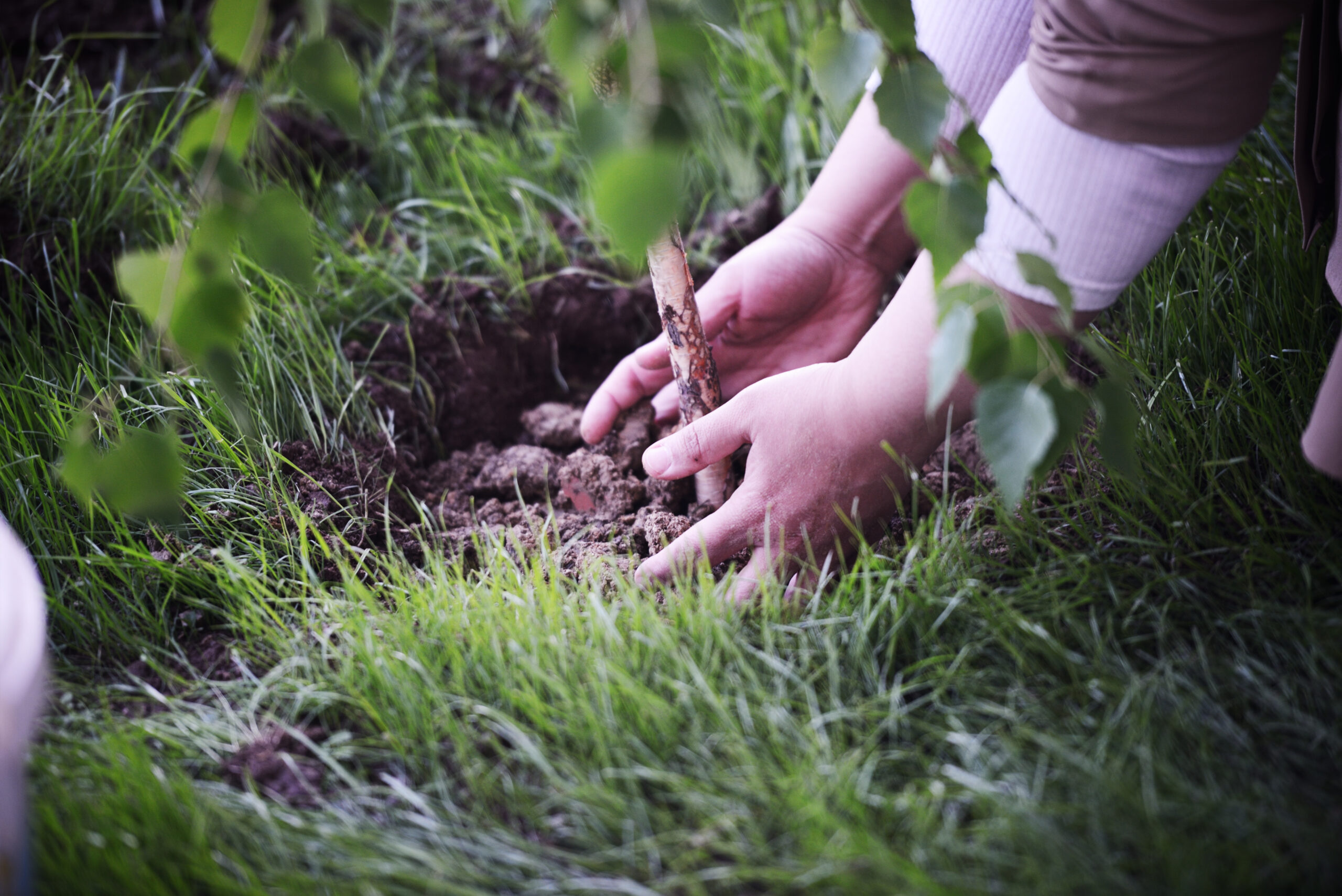
Ultimately, starting an organic garden doesn’t need to be intimidating. By following these tips and doing some research, you can create a thriving oasis filled with fresh produce and beautiful blooms. Happy gardening!
Popular Questions
What do you need to know about soil and fertilizer before planting?
Start by checking the soil’s texture, drainage, organic matter, and pH before adding fertilizer. A soil test can show whether nutrients such as nitrogen, phosphorus, or potassium are actually needed. Use the results to choose amendments and application rates rather than fertilizing on a guess.
How does soil type affect fertilizer choices and garden growth?
Sandy soil drains quickly and may need compost and smaller, more frequent fertilizer applications. Clay soil holds nutrients but can become compacted, so incorporate organic matter without working it when wet. Loam usually provides a useful balance of drainage, moisture retention, and nutrient availability.
When should you apply fertilizer according to soil and fertilizer best practices?
Apply fertilizer when plants are actively growing and can use the available nutrients. Follow the timing and rate on the product label, since excess fertilizer can damage roots and wash into waterways. Perennial beds, lawns, and food crops may require different schedules based on their growth cycles and soil-test results.
Can compost replace fertilizer when learning about soil and fertilizer?
Compost improves soil structure, moisture retention, and microbial activity, but it may not supply every nutrient in the amounts plants require. Use mature compost as a soil amendment and rely on a soil test to identify gaps. If additional nutrients are needed, select an organic or synthetic fertilizer that matches the deficiency and apply it carefully.