If you’re thinking about starting a small farm or just want to raise some animals in your backyard, there are many benefits to raising livestock at home. In this blog post, we will cover everything from chicken care to goat care and even dairy animal tips. So let’s get started!
Tips for Keeping Chickens on Your Property
Chickens are one of the most popular animals to keep at home due to their easy-going nature and usefulness as egg layers. Here are some tips for keeping chickens on your property:
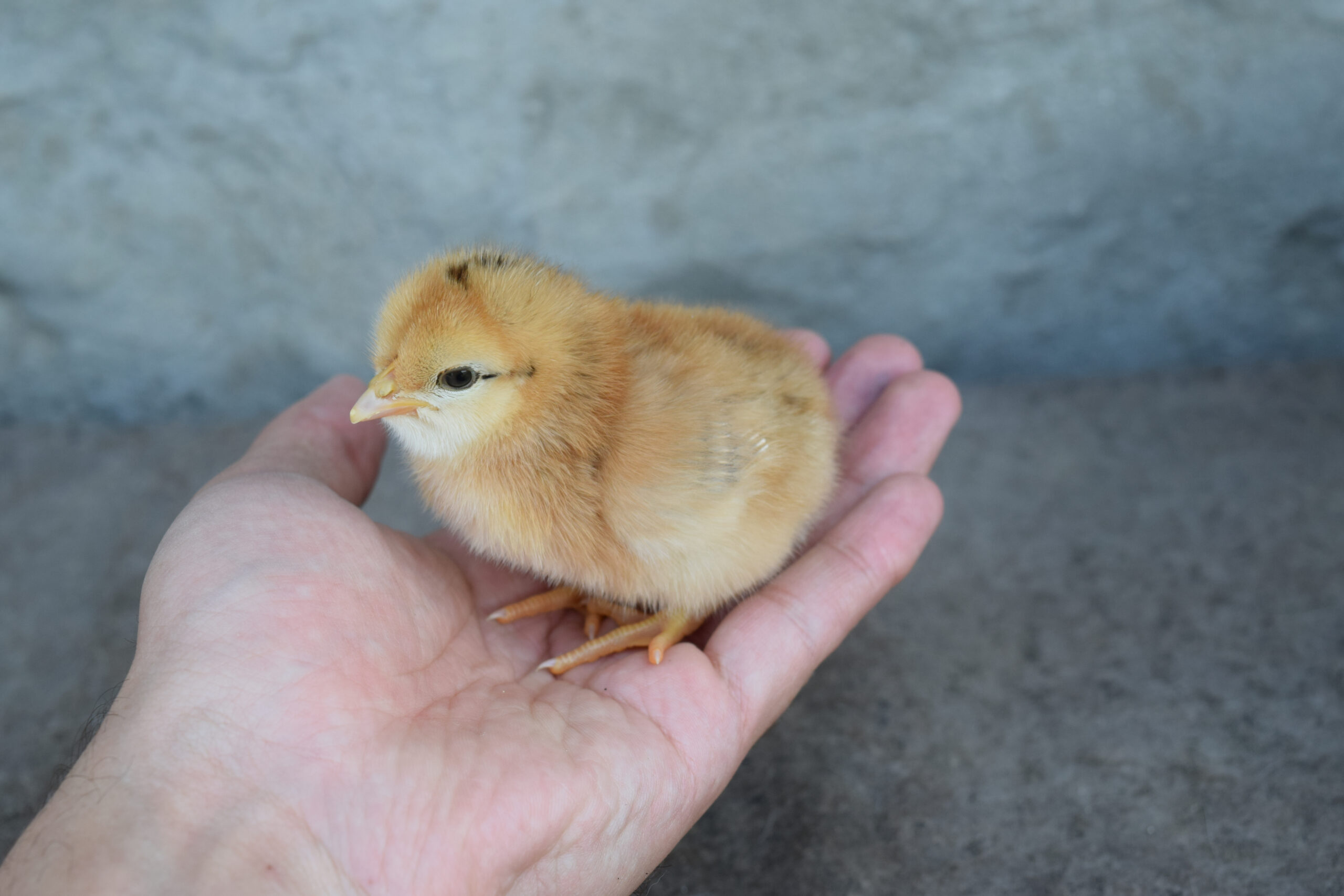
1. Choose the right breed – Consider what type of eggs you want to produce and choose a breed that is known for laying those types of eggs.
2. Provide adequate space – Each bird needs approximately 4 square feet of space inside the coop and an additional 8-10 square feet outside.
3. Build a safe and secure coop – Make sure the coop has good ventilation, lighting, and protection from predators.
4. Give them plenty of food and water – Chickens need a balanced diet with access to fresh water at all times.
5. Collect eggs regularly – Check for eggs daily and collect them promptly to prevent breakage and spoilage.
Goat Care 101: A Beginner’s Guide
Goats are another popular choice for homesteaders who want to raise their own meat and milk. Here are some basics of goat care:
1. Purchase high-quality stock – Look for healthy, well-bred animals with good conformation and temperament.
2. Provide ample space – Adult goats require around 10-15 square feet per head indoors and outdoors.
3. Build a sturdy pen – The enclosure should be predator-proof and provide shelter from extreme weather conditions.
4. Feed them properly – Goats need a balanced ration consisting of hay, grains, minerals, and vitamins.
5. Handle them frequently – Handling goats gently and often helps tame them and make them easier to work with.
The Benefits of Raising Dairy Animals at Home
There are several advantages to raising dairy animals such as cows, sheep, and goats:
1. Fresh milk and other dairy products – You can enjoy fresh milk, cheese, yogurt, butter, and more straight from your own animals.
2. Self-sufficiency – By producing your own food, you become less reliant on grocery stores and can save money on food costs.
3. Improved nutrition – Homegrown dairy products are typically richer in nutrients than store-bought versions.
4. Reduced waste – Dairy animals can help fertilize your garden and reduce the amount of organic waste you generate.
Common Mistakes to Avoid When Starting a Small Farm
Starting a small farm can be challenging, so it’s essential to avoid these common mistakes:
1. Not doing enough research – Before investing in any animals or equipment, do thorough research on the specific requirements and best practices for each species.
2. Overlooking infrastructure needs – Failing to plan ahead for things like fencing, housing, and feed storage can lead to problems down the road.
3. Underestimating time commitment – Caring for livestock requires a significant time investment, especially if you’re trying to do it alone.
4. Ignoring financial considerations – Raising livestock can be expensive, so carefully budget for initial startup costs and ongoing expenses.
To wrap up, raising livestock at home can be both rewarding and challenging. With careful planning, attention to detail, and dedication, you can successfully keep chickens, goats, and other animals on your property while enjoying the benefits they offer.
Popular Questions
What should you consider when keeping chickens on your property?
Choose a dry, well-ventilated coop location that protects chickens from strong winds, flooding, and excessive heat. Provide secure fencing and a covered run to limit contact with predators and keep the birds from wandering into gardens or neighboring areas. Check local regulations before buying chickens, since property rules may cover flock size, setbacks, and rooster ownership.
How can you keep chickens safe on your property?
Use sturdy hardware cloth rather than lightweight chicken wire on openings, and bury part of the fencing to discourage digging predators. Lock the flock inside the coop before dark, and inspect doors, latches, and roof edges regularly for gaps. Keep feed in sealed containers and remove spilled grain so it does not attract rodents or wild animals.
What do chickens need for healthy living on your property?
Supply clean water every day, a balanced layer feed, and access to grit when the birds eat materials other than commercial feed. Give them shaded space in warm weather, dry bedding, and enough room to move, perch, dust-bathe, and nest comfortably. Clean wet bedding promptly and monitor the flock for changes in appetite, behavior, or droppings.
How do you manage chickens and protect your property?
Use portable fencing or supervised free-ranging to keep chickens away from seedlings, mulch, and areas where they could damage landscaping. Collect eggs frequently, maintain clean nesting boxes, and compost manure properly rather than leaving waste to build up near the coop. Introduce new birds gradually and count the flock each evening so problems are noticed quickly.