
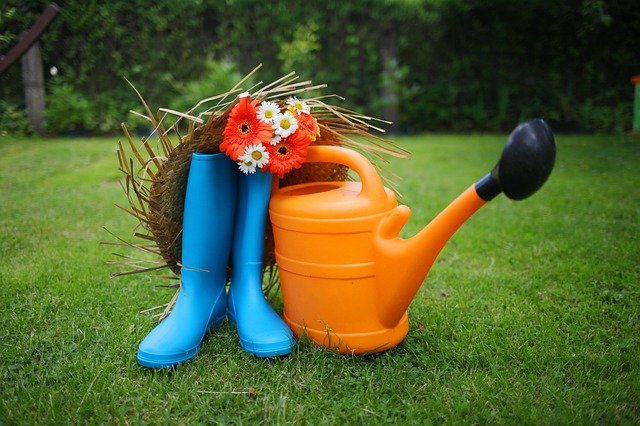
 Let’s talk about some of the things you can do in your garden in the spring.
Let’s start with soil…
So, you can dig into the soil, you can learn a little bit about your soil yourself, and you can send a sample off to a lab to learn more about the specific nutrient imbalances you have in your soil. When you get the data back from the fertilization process, you can based on the imbalances that were detected.
A good time to fertilize your plants in early spring is shortly before they emerge. Later in the spring, you can fertilize your plants before they are planted. Some type of fertilizer should be applied two to four weeks before planting to ensure a healthy crop.
I use a fertilizer to help the microorganisms grow, as well as to increase the overall growth of the plants.
Using insecticides…
There are many agricultural purposes for insecticides, such as controlling termites, aphids, and other pests. Farmers often use insecticides to protect their crops from damage by these pests.
Apply an insecticide to the trunk of trees and compost pile, and to the whole garden. Occasionally substitute compost tea for the pesticide.
Beginning to work the soil…
We advise not working the soil early in the season or when it’s wet, but once it dries out and is workable, we recommend preparing the garden for planting by doing something like stirring the soil, adding compost, or adding plants.
Should you till your garden?
It depends on what you are trying to achieve. On the Homestead most folks are trying to grow crops for consumption. With that, if you want to grow produce, then you should till the garden. If you want to enjoy the garden aesthetically, then you probably don’t need to till it.
It’s a good time of year to spread compost and incorporate it into the soil before planting. It’s also a good time of year to use a rake to lightly shuffle the soil and make sure it’s evenly moist.
If you’re growing flowers, you’ll want to add compost and fertilizer to the soil. If you’re growing vegetables, you’ll want to add layers of soil and compost. You should water your plants regularly, and check the soil regularly to make sure it’s constantly moist.
Is Mulching Important for my garden?
Mulching is an important step in gardening, as it helps to prevent soil erosion, keep your garden lush and green, and reduces the amount of time needed to plant and care for your plants.
So you can plant a plant in the soil first, and then cover it with a layer of mulch to help keep it healthy. Once the mulch builds up again, you can remove the mulch and enjoy your new plant!
Put a little bit of mulch back on top of your plants in the spring to help keep them warm and protect them from the elements.
If you have a garden that is smaller than four to eight inches in height, you can initially place mulch on top of the plants to dampen down weeds and help improve soil texture. Once the plants are larger, you may then want to add more mulch to help block weeds and to provide nutrients to the soil.
Popular Questions
When should you start planting in the springtime garden?
Begin planting in the springtime garden when the soil is workable and daytime temperatures are becoming consistent. Cool-season crops such as lettuce, peas, spinach, and radishes can usually be planted earlier than heat-loving crops. Check your local last-frost date before planting tomatoes, peppers, cucumbers, or other frost-sensitive plants.
How do you prepare garden soil for springtime in the garden?
Remove weeds and leftover plant debris, then loosen the top several inches of soil without working it while it is soggy. Add finished compost to improve nutrients, drainage, and moisture retention. A soil test can show whether the garden needs adjustments such as lime or a specific fertilizer.
What vegetables grow well during springtime in the garden?
Cool-weather vegetables that perform well during springtime in the garden include peas, carrots, radishes, leafy greens, broccoli, and onions. Sow seeds in succession every couple of weeks to extend the harvest. Protect young plants with row covers if a late frost or unusually cold night is expected.
How can you protect plants during a cold springtime in the garden?
Cover tender plants with frost cloth, overturned containers, or clean buckets before temperatures fall, making sure the covering does not rest heavily on the foliage. Remove covers in the morning once the air warms so plants receive light and ventilation. Watering the soil earlier in the day can also help it retain heat overnight, but avoid leaving plants in wet, cold conditions.