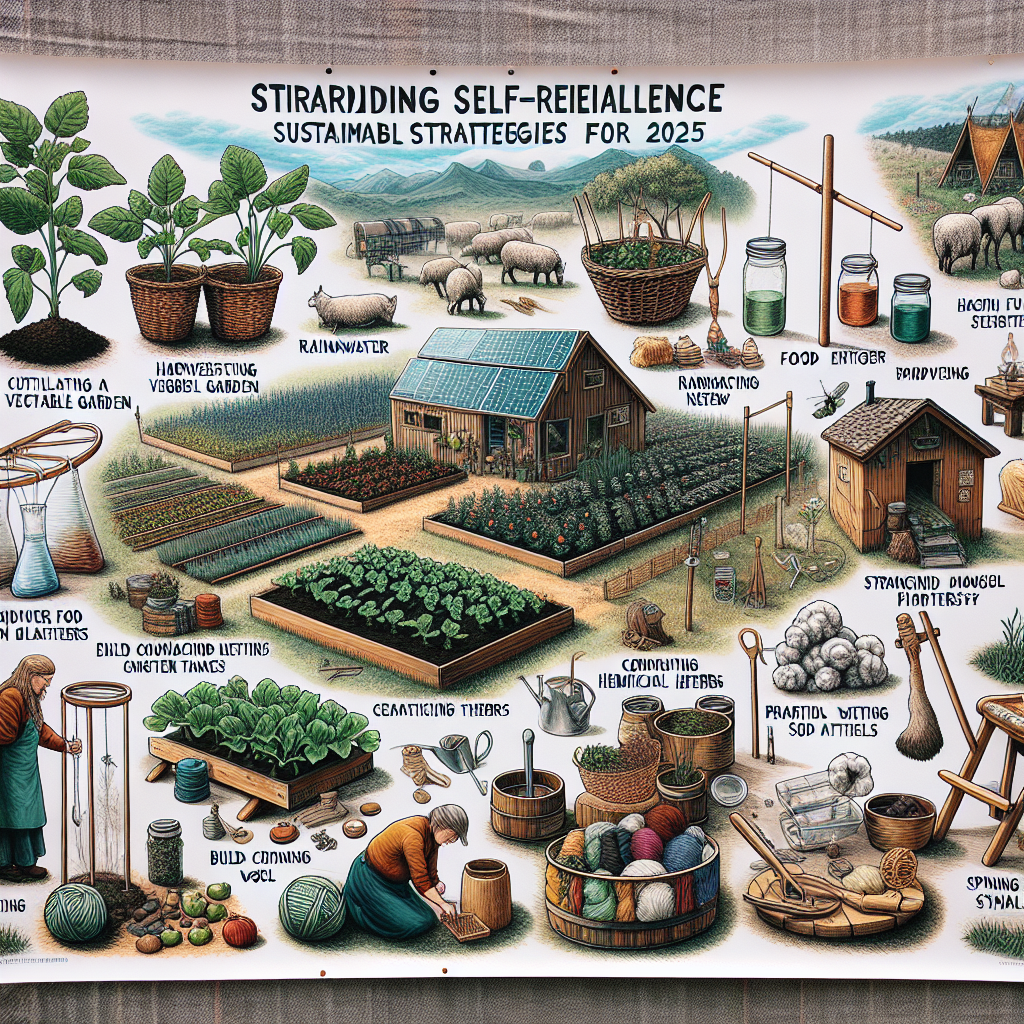
Developing the mentality of a homesteader doesn’t mean you have to live on 20 acres and butcher livestock, or have an acre garden. It is something that anyone can do, anywhere, anytime – simply think differently. With a few tweaks of a thought process, one can develop the homesteading mentality and use it in the most packed urban environment.
Without getting into trying to define homesteading (because the topic is wide and varied) this entry is simply to touch on one area of the ‘mentality’ that is the same across the board regardless of homesteading style. The shopping or purchasing mentality of a homesteader bears examining when speaking of saving money.
Here are a few tips of how a ‘homesteader’ usually thinks before shopping for food, clothing, and misc items:
“Can I make it myself for less expense?”
“Do I have something already that works in place of this just as well?”
“How often will I use this?” (Hint: If it’s not on a regular basis – it’s not purchased.)
“Can I do without it?”
“Do we NEED it or just want it?”
Take this challenge and run those questions through the mental computer the next shopping trip. See if you don’t save some money.
Popular Questions
What is the homesteading mindset?
The homesteading mindset is a practical commitment to self-reliance, resourcefulness, and learning useful skills. It encourages you to make thoughtful use of what you have instead of relying on convenience or constant consumption. Start by choosing one manageable skill, such as growing herbs, preserving food, repairing items, or reducing household waste.
How can you develop a homesteading mindset without living on a farm?
You can practice the homesteading mindset in any home by focusing on greater independence and intentional living. Grow food in containers, cook more meals from basic ingredients, learn simple repairs, or store a modest supply of essentials. Set one realistic goal each month and build your skills gradually within your available space, time, and budget.
What habits support the homesteading mindset?
Useful habits include planning ahead, avoiding waste, maintaining tools, and learning from mistakes. Track household supplies, preserve surplus food when possible, and use leftovers creatively before buying more groceries. Regularly practice a hands-on skill so that self-reliance becomes part of your routine rather than an occasional project.
How does the homesteading mindset help during challenging times?
The homesteading mindset helps you respond calmly by encouraging preparation, practical knowledge, and flexible problem-solving. Keeping basic supplies on hand, growing some food, and knowing how to repair or make essential items can reduce dependence on rushed purchases. Begin with simple preparations, review them periodically, and improve your plans based on what works in your household.