Gardening is a hobby that many people enjoy, but organic gardening takes it to the next level. By using natural methods to grow your plants, you can avoid harsh chemicals and still produce healthy crops. In this article, we’ll explore some tips and tricks for successful organic gardening.
Introduction to Organic Gardening
Organic gardening involves growing plants without the use of synthetic pesticides or fertilizers. Instead, you rely on natural methods such as composting, crop rotation, and companion planting to keep your plants healthy. This type of gardening is not only better for the environment but also produces tastier fruits and vegetables.
The Benefits of Going Organic
There are several benefits to choosing organic gardening over traditional gardening. Firstly, by using natural methods, you reduce the risk of exposure to harmful chemicals. Secondly, organically grown food has been shown to have higher nutrient levels than conventionally grown food. Thirdly, organic gardening is better for the environment because it reduces pollution and conserves water.
Tips for Soil Preparation and Fertilization
One key aspect of organic gardening is creating healthy soil. To do this, you should add plenty of organic matter to your soil, such as compost or manure. You can also make your own compost at home from kitchen scraps and yard waste. Another tip is to rotate your crops each year to prevent depletion of nutrients in the soil.
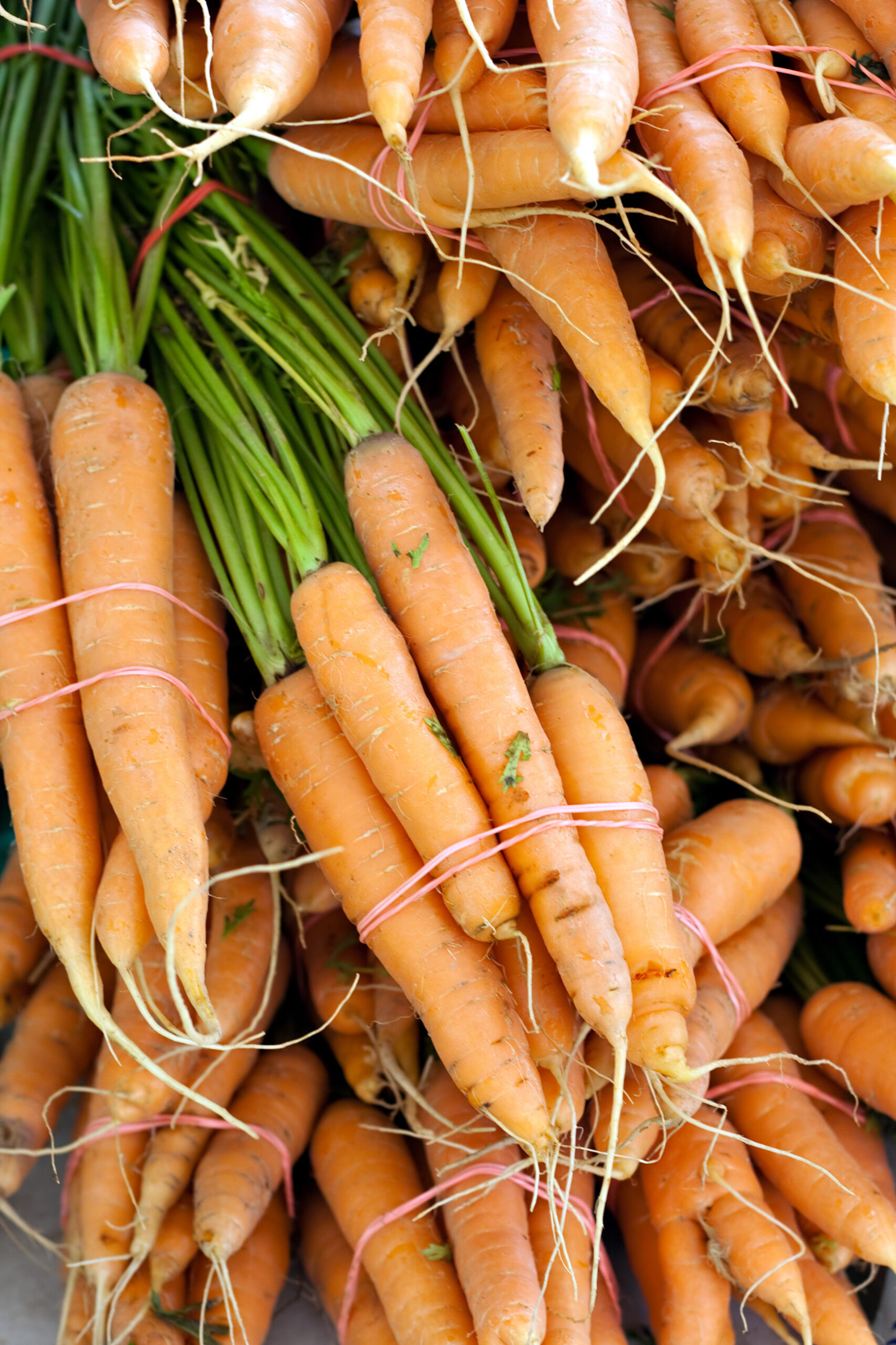
Pest Control in the Organic Garden
When it comes to pest control, organic gardeners have a few tricks up their sleeve. One method is to attract beneficial insects to your garden, such as ladybugs and lacewings, which feed on common garden pests like aphids and mites. Another technique is to use natural repellants like garlic spray or neem oil.
Harvesting and Preserving Your Bounty
Once your plants start producing fruit, it’s time to reap the rewards of your hard work. Make sure to harvest your crops when they are ripe to ensure maximum flavor and nutrition. You can then preserve your bounty by canning, freezing, or drying your produce.
All in all, organic gardening is a great way to grow healthy crops while minimizing environmental impact. By following these tips and tricks, you can create a thriving organic garden that will provide fresh produce for years to come.
Popular Questions
What is the fastest way to improve Introduction to Organic Gardening without making beginner mistakes?
The fastest way to improve Introduction to Organic Gardening is to simplify the process and control one variable at a time. Start with the most important baseline: define the goal, identify the main failure point, and test one change before making another. Keep short notes so you can connect the outcome to the adjustment you made. This prevents guesswork and helps you build a repeatable method instead of chasing random fixes.
What should you check first when Introduction to Organic Gardening is not working well?
Check the most immediate bottlenecks first: setup errors, missing inputs, bad timing, or inconsistent follow-through. Before buying anything new or changing the whole system, confirm that the basics are being done correctly and consistently. A small diagnostic checklist usually reveals the real problem faster than broad trial and error. Once the weak point is clear, make one correction and watch the result before adjusting anything else.
What common mistakes make Introduction to Organic Gardening harder than it needs to be?
The most common mistakes are changing too many variables at once, skipping the basics, and judging results too quickly. Many people also copy generic advice without adapting it to their exact situation, which leads to weak results and confusion. A better approach is to work from a simple baseline, make measured changes, and give each change enough time to show whether it helped. That makes progress easier to track and repeat.