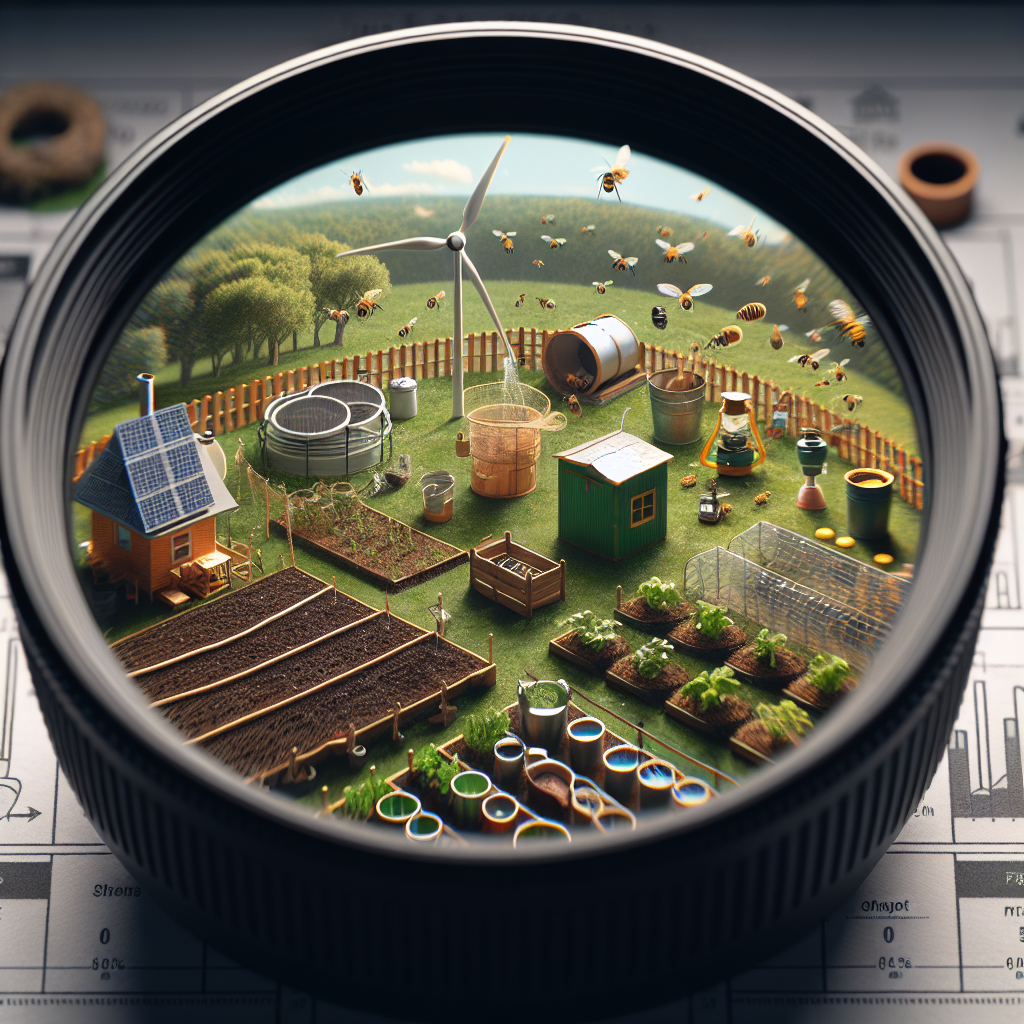

Composting is a wonderful way to recycle your organic waste and produce nutrient rich soil. It can be done with any kind of organic material, from food scraps to manure, yard trimmings and even weeds. You can even use cardboard, paper and plastics. The key is to break down the materials into smaller pieces before adding them to the pile. This will help speed up the decomposition process.
Composting has been used for centuries as an effective way to enrich soil. Composting is also an excellent way to get rid of unwanted items like food scraps, paper and plastic. It’s also a great way to recycle organic material. When you compost, you’re actually creating an environment that is friendly to the earthworms, bacteria and other microorganisms that live in the soil. These organisms break down the organic matter, releasing nutrients back into the soil. This helps the soil retain moisture and improve the overall health of the plants growing in it.
There are several benefits to using compost instead of fertilizer. The first benefit is that you can use it for both your houseplants and your garden. If you have a large yard, you can make a big pile of compost and spread it around the perimeter of your yard. You can also use it to fertilize your vegetable garden. You can add it directly to your garden or spread it around the base of your plants.
You should also know that composting is much better for the environment than using commercial fertilizers. Commercial fertilizers are made from fossil fuels and other chemicals. They often contain harmful ingredients such as phosphates, which leach out into the ground water. They also have high levels of nitrogen, which can lead to run off problems and algae blooms. The good news is that you can create your own compost without these harmful chemicals.
There are a few ways to create compost. You can start by turning your kitchen waste into compost. This means that you take all of the food scraps and compost them together. Then you let them sit for a while. This allows the bacteria to do their work. You can also use your kitchen scraps to make compost tea. This is a liquid that you can use on your houseplants. You can either buy it at the store or make it yourself.
It’s important to note that you should never use meat or dairy products when you’re making compost. These items can contain harmful bacteria that can contaminate your compost. Instead, use vegetable scraps and other organic materials. This will ensure that your compost is safe for the environment.
Popular Questions
Why should you use composting in a home garden?
Composting turns kitchen scraps and yard waste into a nutrient-rich soil amendment for garden beds. Adding finished compost can improve soil structure, moisture retention, and drainage. Mix it into the top few inches of soil before planting or spread a thin layer around established plants.
Why is using composting beneficial for reducing household waste?
Composting diverts materials such as fruit and vegetable scraps, coffee grounds, dry leaves, and grass clippings from the trash. This can reduce the amount of organic waste sent to landfills. Keep a covered container in the kitchen and transfer the contents to an outdoor compost pile or bin regularly.
Why should you use composting to improve soil health?
Compost adds organic matter that supports beneficial soil organisms and helps create a healthier growing environment. It can help sandy soil hold water while improving aeration in heavy clay soil. Apply mature, dark compost without a strong odor, and avoid using unfinished material around young plants.
How can using composting support a more sustainable homestead?
Composting lets a homestead recycle organic materials into a useful resource instead of relying entirely on purchased soil amendments. It can support productive gardens while reducing waste and the need for synthetic fertilizers. Balance green materials, such as food scraps and fresh grass, with brown materials, such as dry leaves, straw, and shredded cardboard, to maintain an active pile.