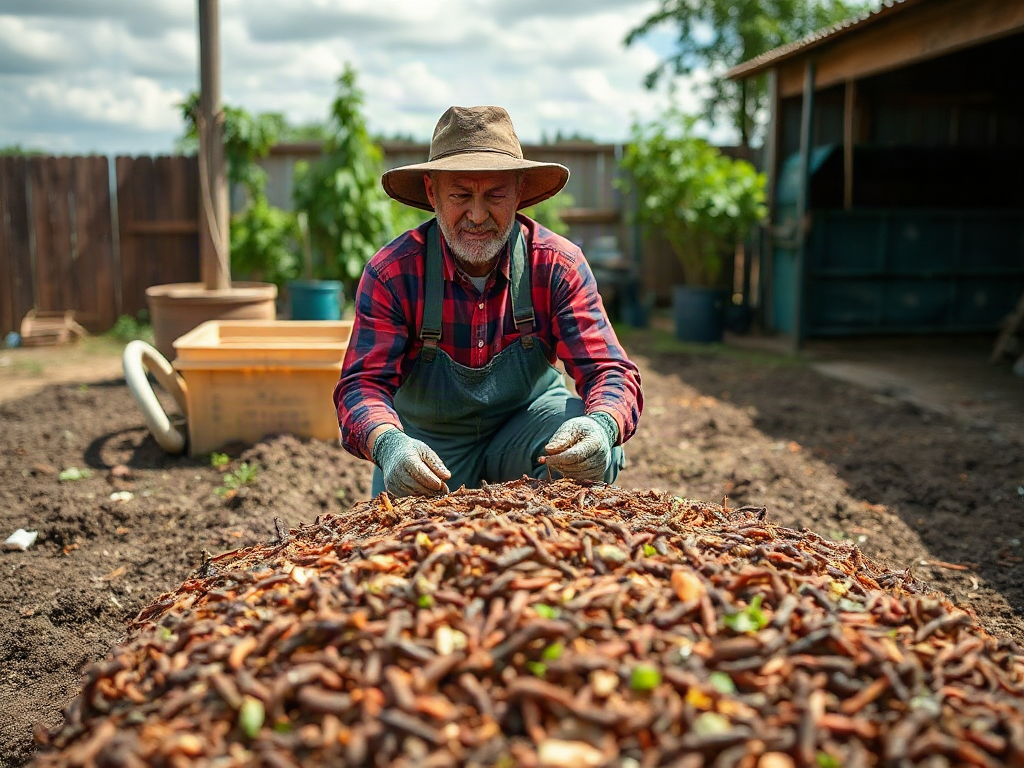
Starting a Farm With Limited Capital and Equipment: A 90-Day Launch Plan
Explore starting a farm with limited capital and equipment through enterprise that fits constraint, considering the conditions that change the outcome.
Explore starting a farm with limited capital and equipment through enterprise that fits constraint, considering the conditions that change the outcome.
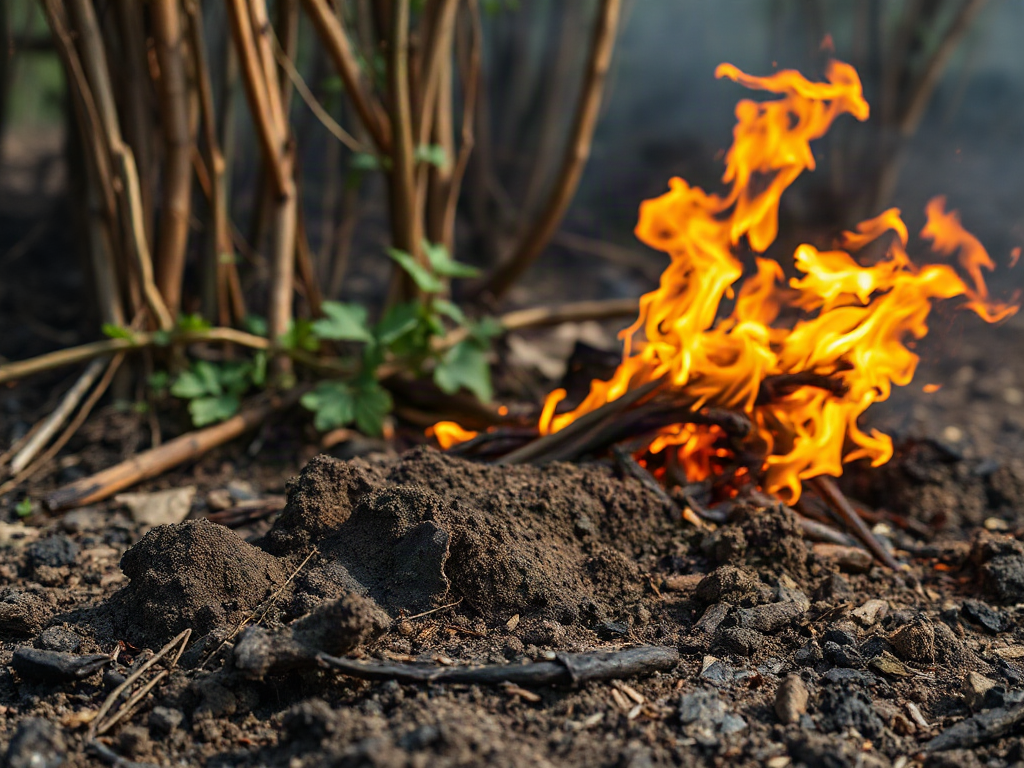
Slash-and-burn farming puts household land at risk by exposing bare ground, releasing stored nutrients too quickly, and creating a fire that may escape into fences, buildings, trees, or neighboring property. The ash can briefly raise fertility, but rain and wind may remove it before crops use those nutrients.
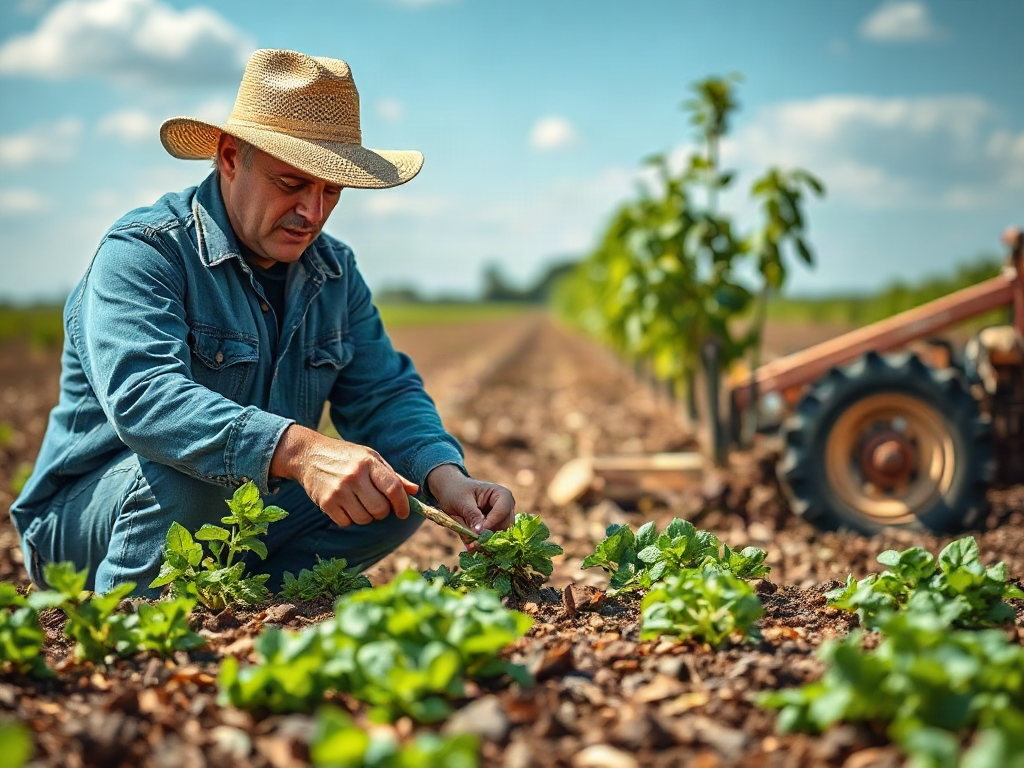
Tenant farming is an arrangement in which a farmer operates land owned by someone else and compensates the owner through cash rent, a share of production, or another agreed payment. For beginners, the central issues are control of the land, responsibility for improvements, allocation of production risk, and the length…
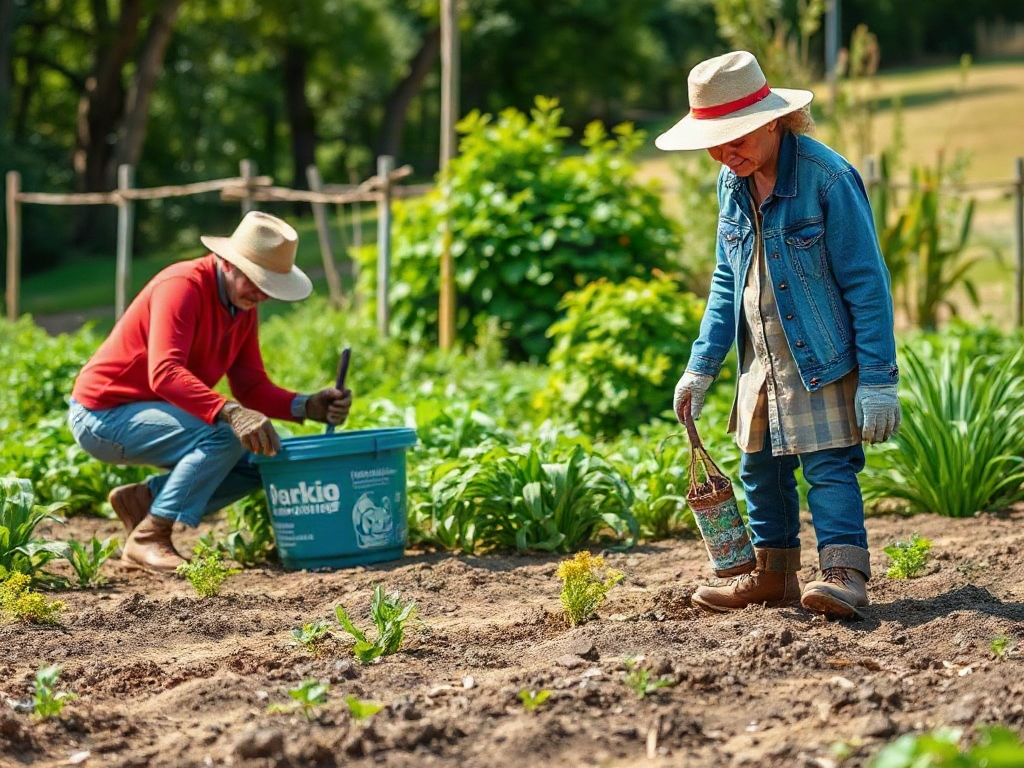
Tenant farming gives aspiring land stewards the right to operate land they do not own in exchange for cash rent, a share of production, labor, or another negotiated payment. A workable arrangement defines the fields and buildings included, permitted enterprises, maintenance duties, improvement ownership, payment schedule, and lease length.
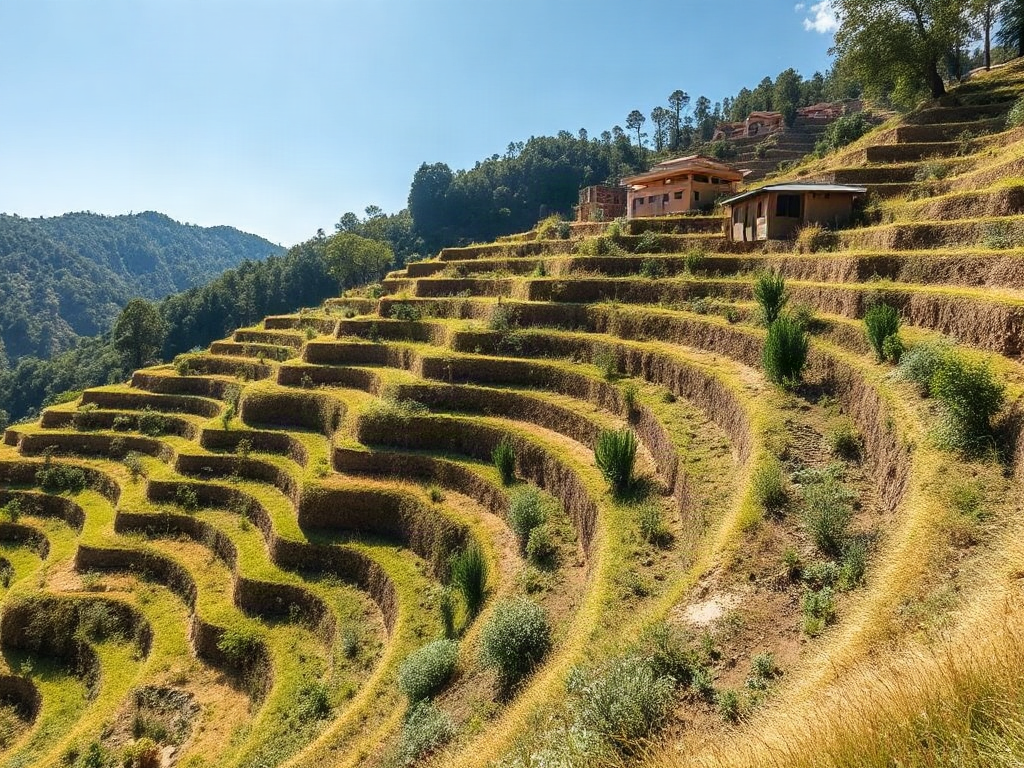
Terrace farming supported ancient communities by converting steep slopes into level planting areas that retained soil, slowed runoff, managed irrigation, and expanded the land available for crops. Stone or earthen retaining walls reduced erosion while channels directed water between fields, helping farmers cope with mountainous terrain and uneven rainfall.
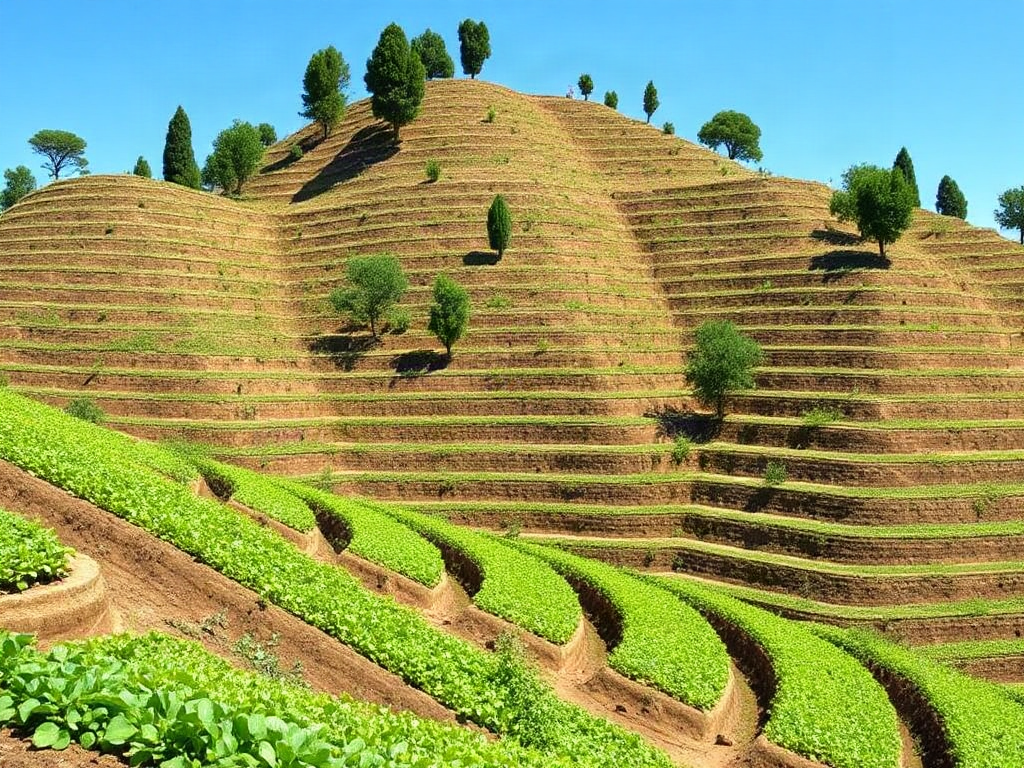
Terrace farming in Inca civilization and modern applications connects an Andean system of stepped fields with present-day methods for controlling runoff, conserving soil, and cultivating steep ground. Inca builders shaped hillsides with retaining walls, layered fill, drainage channels, and irrigation works suited to local elevations and water supplies.
Terrace farming makes manageable sloped land cultivable by dividing a long incline into shorter, nearly level growing areas that follow the contour, slow runoff, and reduce erosion. A workable layout begins with measuring slope, observing where stormwater enters and exits, and choosing terrace widths that match the intended crops and equipment.
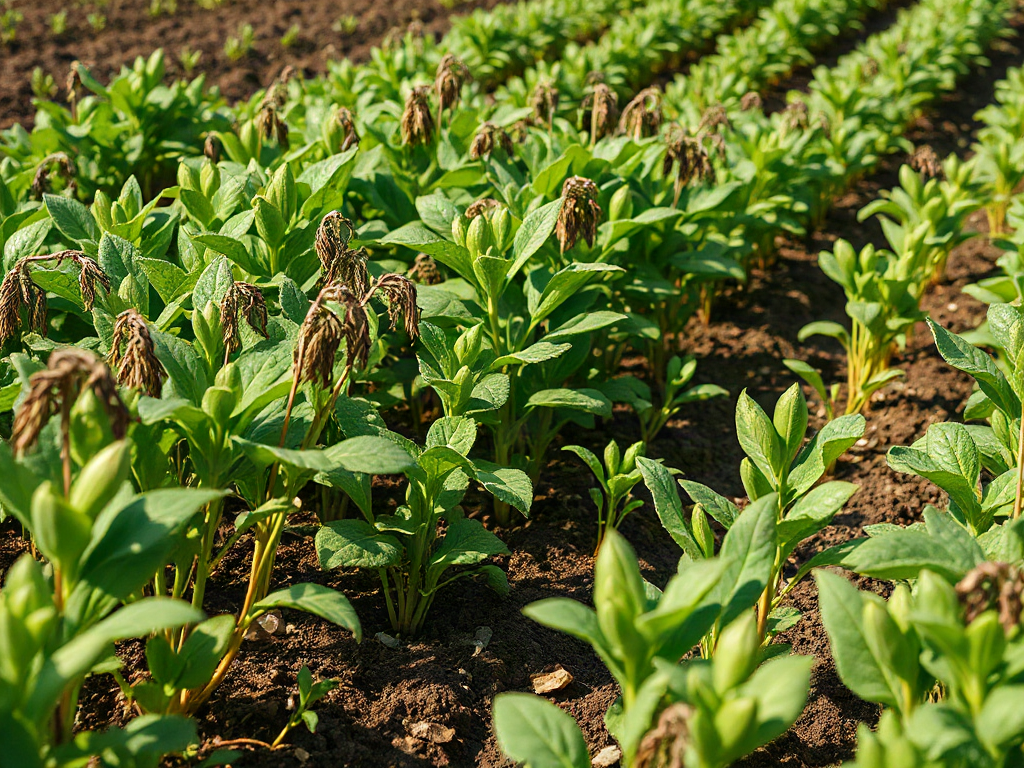
Farming basics part three for new homesteaders centers on managing crops after planting through consistent field checks, useful records, timely intervention, and harvest decisions based on crop maturity rather than guesswork. Walk each growing area on a fixed schedule, inspect leaves and soil closely, and record rainfall, irrigation, pests, weeds…