worm farming

Worm farming for beginners and garden fertility
worm farming

Worm Farming for Beginners and Better Garden Fertility

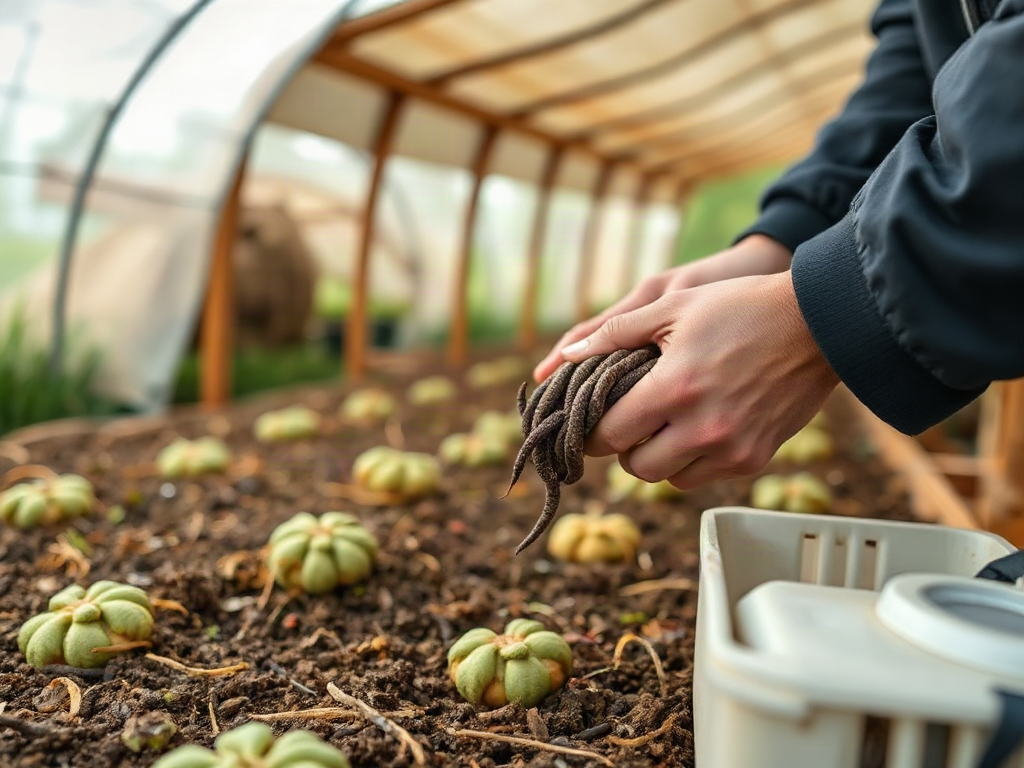
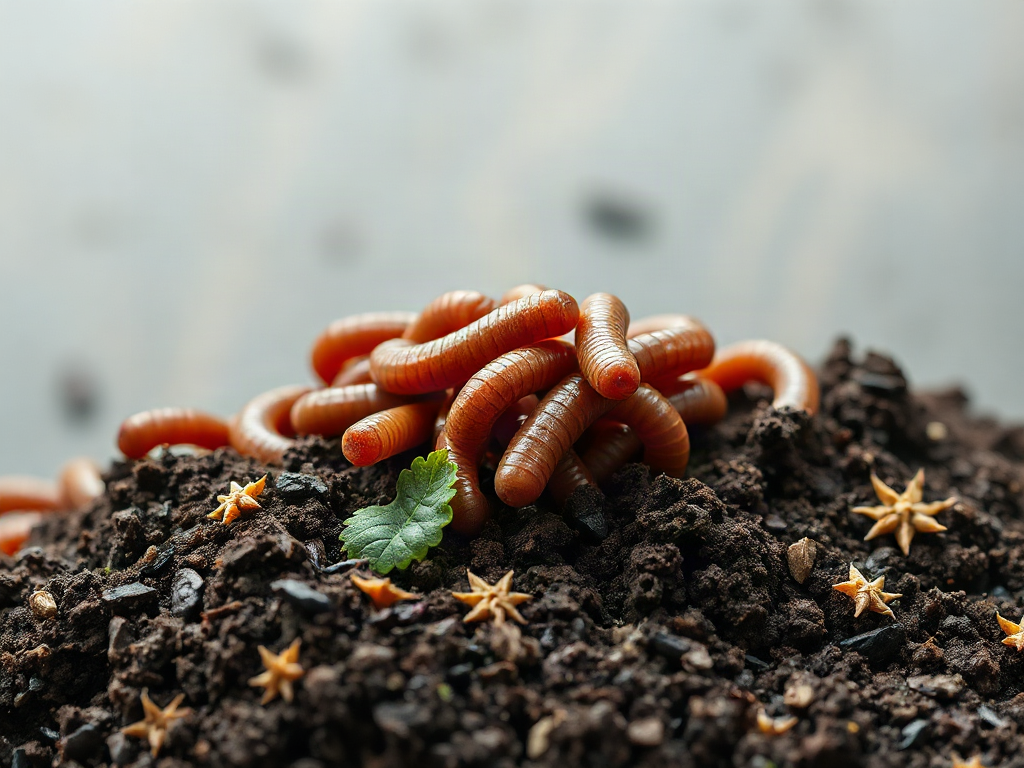
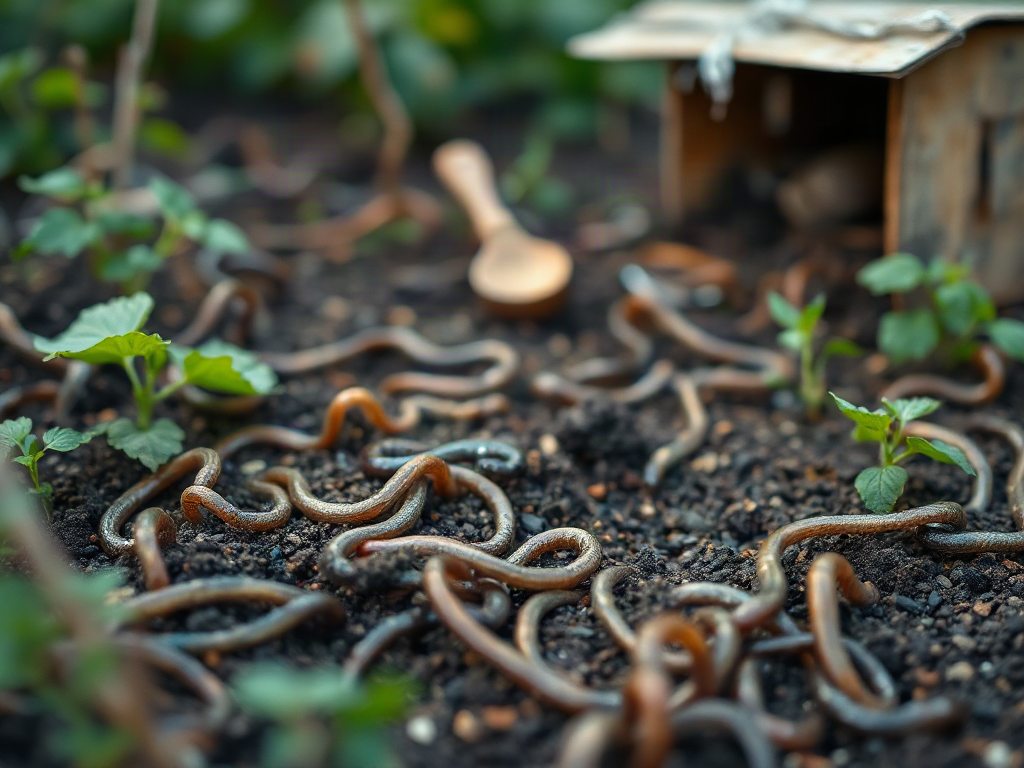
Worm farming for beginners can improve garden fertility by converting suitable kitchen scraps and bedding into biologically active castings, but success depends on steady moisture, airflow, moderate temperatures, and restrained feeding. Start with a ventilated bin, damp shredded cardboard, and composting worms such as red wigglers rather than ordinary garden earthworms.
Subsistence Farming Synonyms and Related Approaches: Terms, Examples, and Practical Differences
worm farming

Subsistence Farming Synonyms and Related Approaches: Terms, Examples, and Practical Differences

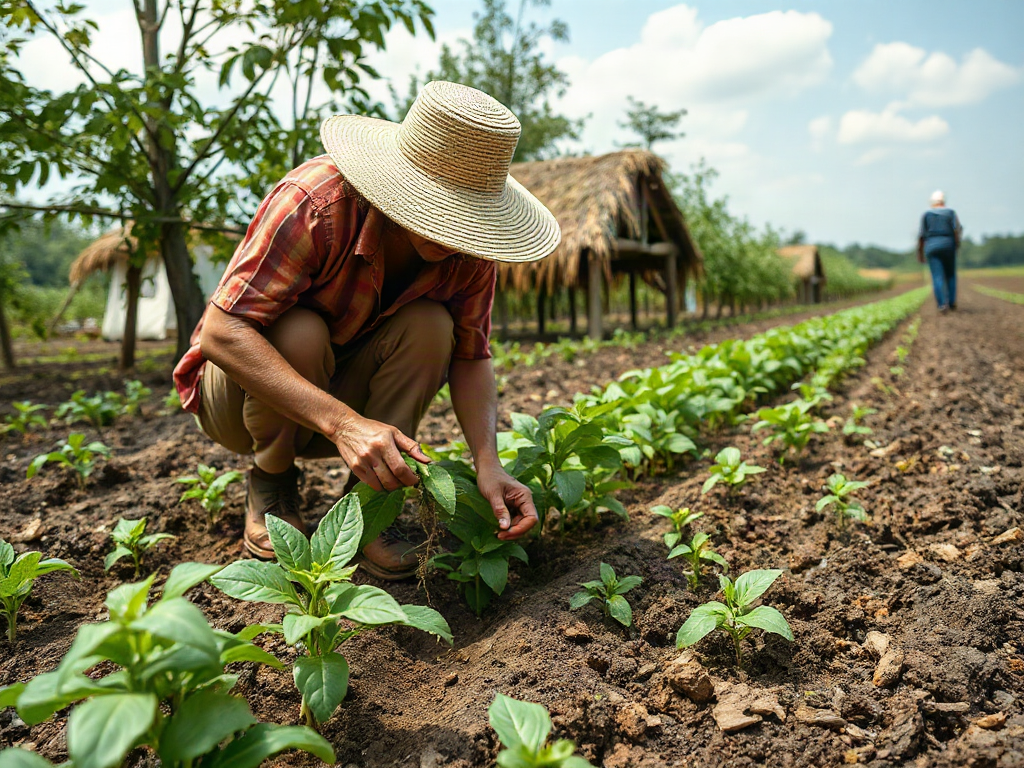
Subsistence farming is most accurately called subsistence agriculture, while self-provisioning agriculture and household food production describe closely related aims rather than perfect synonyms. Smallholder farming, family farming, homesteading, and peasant agriculture may overlap with it, but each refers to land scale, labor structure, lifestyle, or social context instead of how the harvest is used.

Collective Farming Arrangements for Shared Land: Ownership, Work, and Exit Checklist
worm farming

Collective Farming Arrangements for Shared Land: Ownership, Work, and Exit Checklist

Collective farming arrangements for shared land work best when participants separate land ownership from operating rights and document how labor, expenses, equipment, harvests, and decisions will be handled. A written agreement should identify each member’s contribution, establish a farm budget, assign authority for routine and major choices, and define access…

Dryland Farming Definition for Water-Conscious Growers—Methods, Benefits, and Limits
worm farming

Dryland Farming Definition for Water-Conscious Growers—Methods, Benefits, and Limits

Dryland farming is crop production that relies on stored soil moisture and seasonal precipitation rather than routine irrigation, making it relevant to water-conscious growers in regions with limited or unreliable supplies. Its core methods include capturing rainfall, reducing runoff, suppressing weeds, choosing drought-adapted crops, and spacing plants according to available moisture.

worm farming

Subsistence Farming Examples for Household Food Security: Crops, Livestock, and Storage Plans

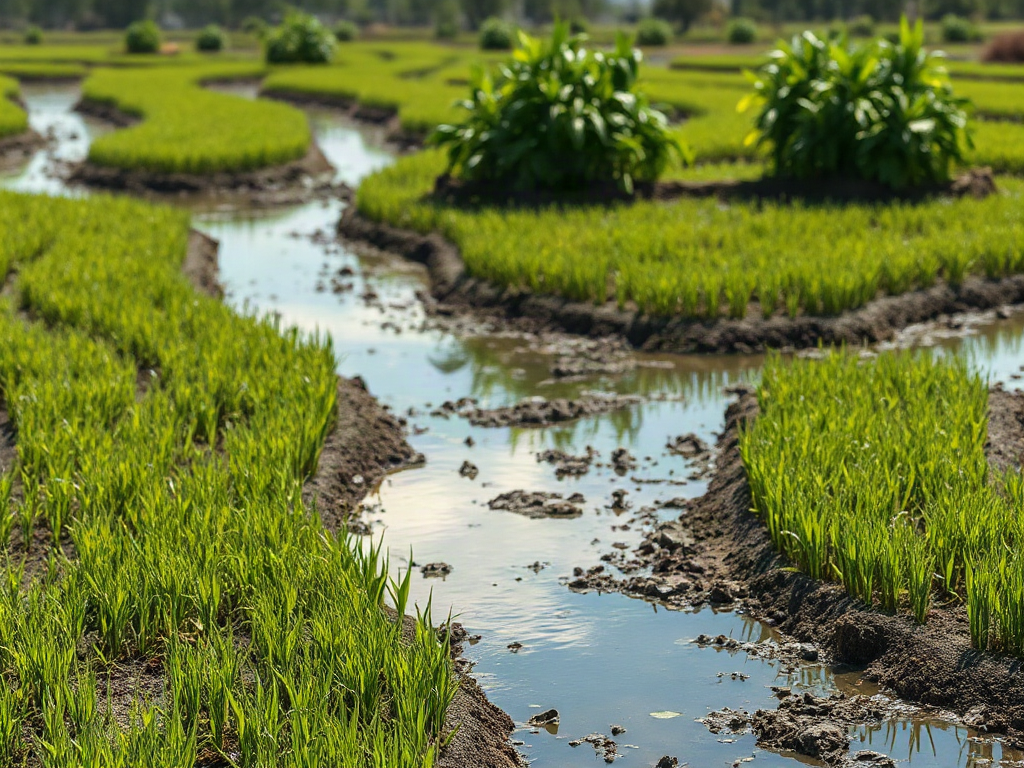
Subsistence farming can strengthen household food security when families combine dependable staple crops, nutrient-dense vegetables, appropriately scaled livestock, and storage methods suited to local conditions. Strong examples include maize intercropped with beans and squash, potatoes paired with laying hens, rice plots supported by fish or ducks, and kitchen gardens planted in repeated succession.

Maya Terrace Farming Techniques for Erosion Control—How Hillside Water and Sediment Were Managed
worm farming

Maya Terrace Farming Techniques for Erosion Control—How Hillside Water and Sediment Were Managed

Maya terrace farming techniques controlled erosion by reshaping hillsides into stepped or gently sloping plots that slowed runoff, trapped sediment, and retained cultivable soil behind stone or earthen barriers. Builders generally followed local contours, stabilized terrace faces, and provided routes for excess water rather than attempting to stop drainage completely.

Scroll to Top