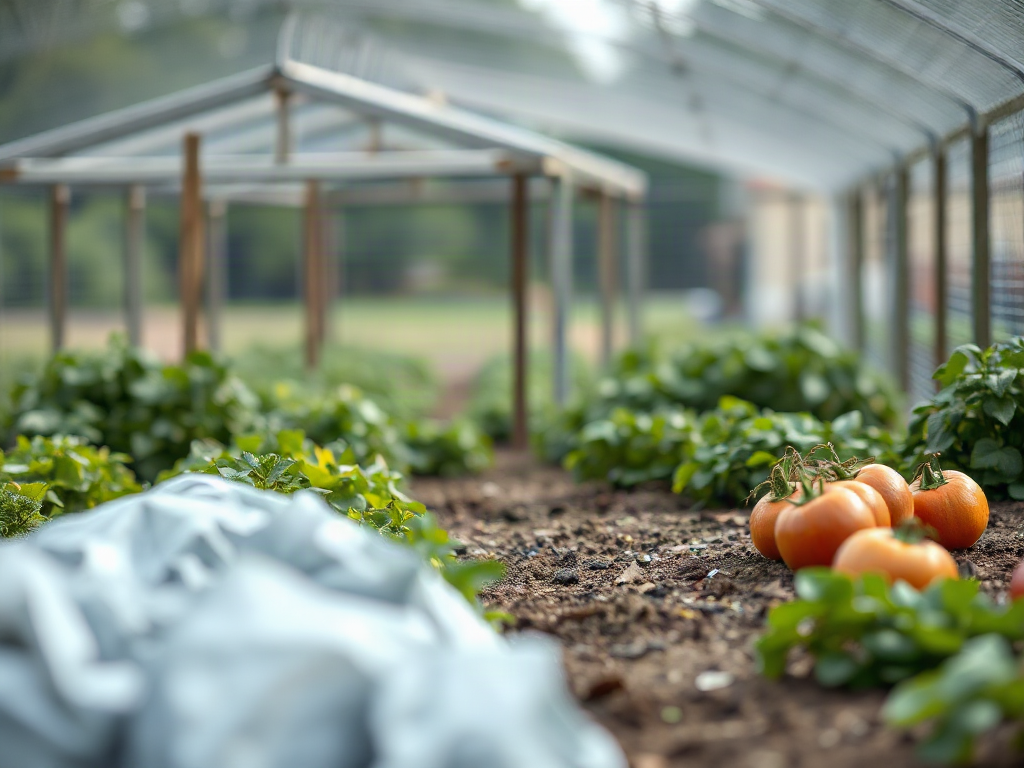
Farming on one acre without overwhelming your workload works best when you cultivate only the space you can maintain, group crops by care needs, automate routine watering, and limit livestock to a manageable role. Divide the acre into active beds, perennial areas, access lanes, and unused or cover-cropped ground rather than trying to produce from every square foot. Favor dependable crops that match your household needs and local conditions over a long list of demanding varieties. A seasonal task calendar, permanent paths, nearby tool storage, and weekly workload limits keep planting ambitions from creating months of avoidable weeding, harvesting, and processing.
What you’ll learn
This guide covers the following practical points:
- How Much of the Acre Should You Actually Use? — An acre is a land boundary, not a production target.
- Design the Acre for Fewer Daily Chores — A low-workload acre places frequently handled crops, water connections, tools, compost, and wash space close together.
- Which Crops and Livestock Fit a Limited Workload? — The best crop list is shorter than the seed catalog list.
- Build a Seasonal Work Plan You Can Sustain — A seasonal plan exposes workload collisions before seeds enter the ground.
How Much of the Acre Should You Actually Use?
An acre is a land boundary, not a production target. A household-scale farm may use only a fraction of its available ground intensively while reserving the rest for buildings, movement, compost, perennial plants, wildlife habitat, future expansion, or a soil-building cover crop. Treating every open patch as a bed creates more planting, irrigation, weeding, and harvesting than many part-time growers can sustain.
Begin with the hours available during the busiest part of the season rather than the number of crops you would like to grow. Include recurring work outside the field: washing produce, repairing irrigation, sourcing feed, preserving surplus, mowing paths, and maintaining fences. A bed that takes ten minutes to plant may generate hours of later work. Summer vacations, full-time employment, caregiving, and extreme weather can reduce the time available precisely when crops demand attention.
A practical first-year layout might contain a compact kitchen garden near the house, several larger beds for storage crops, a small perennial area, and substantial ground left in grass or cover crops. Concentrating vegetables in one irrigated block is usually easier than scattering beds across the property. Expansion remains possible after a complete season reveals how much work the original block creates.
Measure capacity with a trial area. Mark several permanent beds, record the time spent on them for four weeks in spring and again during peak harvest, and note unfinished tasks. If weeds repeatedly produce seed, mature vegetables remain unpicked, or watering is skipped, the active area is already too large or poorly designed. If routine work is completed with time left for preservation and maintenance, another bed may be reasonable the following season.
The common mistake is equating unused soil with wasted potential. Ground planted in clover, buckwheat, rye, or another locally suitable cover crop is still performing useful work by keeping soil covered and holding space for later plans. Confirm species and planting dates with a regional extension resource because climate and termination methods vary. Deliberate unused capacity is far cheaper than abandoned rows that become a weed reservoir.
Design the Acre for Fewer Daily Chores
A low-workload acre places frequently handled crops, water connections, tools, compost, and wash space close together. Distance turns small chores into persistent friction. If harvesting greens requires opening several gates, carrying containers across wet ground, and walking back for a forgotten knife, a ten-minute job can consume much longer and is more likely to be postponed.
Start by locating fixed constraints: the home, driveway, well or water line, septic area, shade, slopes, wet spots, and prevailing access routes. Keep intensive beds convenient to the house and a reliable water source. Put crops visited less often, such as winter squash or dry beans, farther away. Avoid locating beds where runoff collects or where equipment must cross growing soil.
| Area | Typical Use | Workload Advantage |
|---|---|---|
| Near the house | Herbs, salad crops, seedlings | Quick harvesting and frequent observation |
| Main production block | Permanent vegetable beds | Shared irrigation and standardized maintenance |
| Outer ground | Perennials, storage crops, cover crops | Less frequent attention |
| Service zone | Compost, tools, harvest bins | Less carrying and fewer interrupted tasks |
Permanent beds and paths clarify where soil should remain loose and where feet and carts belong. Standard bed widths also make irrigation lines, row covers, hoops, and mulch easier to reuse. Drip irrigation or soaker systems can reduce repetitive hand watering, but they are not maintenance-free. Filters clog, connectors leak, emitters shift, and timers fail. Walk the system while it runs and check soil moisture below the surface rather than assuming every bed received equal water.
Mulch can suppress weeds and moderate soil moisture, although the material should fit the crop and local pest pressure. Clean straw, shredded leaves, and finished compost each behave differently. Deep organic mulch may harbor slugs in damp settings, while loose material can blow away in exposed sites. The better choice is the one you can source, apply, inspect, and replenish without creating another complicated supply chain.
Finish the layout with access. Paths should accommodate the cart, mower, or wheelbarrow you actually use, and gates should be wide enough for routine loads. A beautiful plan that requires hand-carrying compost through narrow passages will impose a labor penalty every season. Good design is working when routine rounds are short, materials have obvious homes, and irrigation or harvest problems become visible before they spread.
Which Crops and Livestock Fit a Limited Workload?
The best crop list is shorter than the seed catalog list. Choose produce your household regularly eats, varieties suited to the local growing season, and crops that justify their harvest and processing demands. Ten dependable crops managed well usually provide more usable food than dozens of small plantings that mature at conflicting times.
Separate crops by labor pattern. Radishes and salad greens mature quickly but need timely sowing, watering, harvesting, and cooling. Tomatoes may require support, pruning depending on type, pest observation, and frequent picking. Potatoes, winter squash, dry beans, garlic, and sweet potatoes often concentrate work into planting and harvest windows, though suitability depends on climate and storage conditions. Perennial herbs, berries, asparagus, or fruit trees can reduce annual replanting, but they still need establishment care, pruning, pest management, and harvesting.
For example, a household that cooks with onions, potatoes, beans, squash, tomatoes, and herbs may gain more from sizable plantings of those foods than from maintaining small quantities of twenty unusual vegetables. Planting one or two tomato types also simplifies staking and harvest timing. Succession planting can extend supply, but repeated sowing dates create repeated chores; use it selectively for foods that are genuinely valuable fresh.
Livestock should not be added merely because space appears available. Animals create daily obligations that continue through illness, bad weather, travel, and low-production periods. A small laying flock may provide eggs and manure, but it also requires secure housing, feed storage, water, bedding management, predator protection, and backup care. Goats, sheep, or pigs bring larger fencing, handling, shelter, and veterinary considerations. Local zoning and animal-welfare requirements must be checked before purchase.
Compare the proposed animal or crop with an easier source. Buying eggs from a neighbor may be more sensible than keeping hens if travel is frequent. Purchasing sweet corn locally may avoid devoting a large block to a crop with a brief harvest window. Farming on one acre does not require producing every household food.
Use a firm selection test before adding anything: identify where it will live, how it will be watered, its busiest harvest or care period, its storage or processing destination, and what happens when you are absent. A plan is failing when produce repeatedly becomes overripe, feed containers run empty, or new projects compete for the same weekend. Remove or reduce the enterprise causing the conflict before adding another.
Build a Seasonal Work Plan You Can Sustain
A seasonal plan exposes workload collisions before seeds enter the ground. Put bed preparation, sowing, transplanting, irrigation setup, major harvests, preservation, and cleanup on one calendar. The purpose is not to predict every date precisely; weather will move them. The calendar shows whether multiple high-effort jobs are likely to arrive during the same part of the season.
Work backward from known constraints. If late summer is busy at work or school, avoid filling the acre with crops that demand daily picking then. If the household takes a midsummer trip, use dependable irrigation, arrange a caretaker, and reduce crops that cannot wait. Storage crops may suit a household with limited weekday time, while frequent-cut flowers or market vegetables generally demand tighter harvest schedules.
A compact four-step planning sequence keeps ambitions tied to capacity:
- Set a weekly labor ceiling. Count realistic weekday and weekend hours, leaving room for breakdowns and weather delays.
- Assign every enterprise a peak period. Mark when planting, pest checks, harvest, and processing will require the most attention.
- Remove overlapping peaks. Reduce quantities or replace a demanding crop when several major tasks land together.
- Schedule recovery weeks. Leave open periods for weeding, repairs, failed sowings, and harvests that arrive early.
Batching compatible work reduces setup time. Harvest several crops before using the wash area, prepare multiple beds before returning tools, and inspect irrigation during one regular farm walk. Keep a small kit containing pruners, gloves, ties, labels, and common fittings near the production block. The objective is not rigid efficiency; it is eliminating repeated trips and unfinished half-tasks.
Records should remain simple enough to use. Note planting dates, approximate harvest quantity, time-consuming problems, and whether the crop earned its space. A notebook, wall calendar, or basic spreadsheet is sufficient. Detailed tracking that consumes more time than it saves is another form of overload.
Review the plan at the end of each month rather than waiting for winter. Signs of a workable system include clean access paths, harvests used before spoiling, irrigation checked regularly, and enough spare time to address pests or repairs. Warning signs include chronic weed seed production, unprocessed piles of vegetables, neglected fencing, and postponed animal care. When those appear, stop new sowings, mow or cover unused beds, harvest only what will be used, and restore basic systems before attempting expansion.
Conclusion
A manageable one-acre farm grows from controlled commitments rather than maximum land use. Begin with a compact block near water, establish permanent access, and select crops according to how your household eats and when labor is available. Leave enough ground inactive or cover-cropped to absorb future ideas without creating immediate maintenance.
Before the next season, draw the acre, mark fixed constraints, set a weekly labor ceiling, and place each proposed enterprise on a seasonal calendar. Reduce any plan that stacks transplanting, daily harvests, food preservation, and animal care into the same weeks. During the season, watch for practical signals: produce should be harvested and used, paths should remain passable, and essential care should happen on schedule. Expand only after those basics remain dependable through the busiest month.
Frequently Asked Questions
Can one acre produce enough food for a family?
It can produce a substantial amount of food, but the result depends on climate, soil, water, diet, storage, skill, and available labor. Producing selected vegetables, herbs, eggs, or storage crops is more realistic for many households than attempting complete self-sufficiency.
Should a beginner cultivate the entire acre?
No. Start with a compact production area that can be watered and weeded consistently. Keep remaining ground mowed, mulched, or cover-cropped, then expand only after completing a full growing season without accumulating unfinished work.
What crops require less frequent attention?
Storage crops such as potatoes, garlic, winter squash, dry beans, and sweet potatoes may need less frequent harvesting than salad greens or summer squash. Local climate, pests, curing space, and storage conditions still determine whether they are practical.
Does drip irrigation eliminate watering work?
It reduces hose handling and can deliver water directly to beds, but it still requires inspection. Check filters, leaks, blocked emitters, timer operation, and moisture beneath the soil surface throughout the season.
Can livestock fit on a one-acre farm?
Small livestock may fit physically, but space is only one constraint. Daily care, secure fencing, feed storage, manure handling, neighbors, local rules, and backup care should all be resolved before animals arrive.