Home farming is a great way to grow your own fresh produce while also enjoying the benefits of spending time outdoors. Whether you have a small backyard or a larger plot of land, there are many crops that can be grown successfully in your home garden. In this guide, we will cover everything from choosing the right crops for your garden to harvesting and preserving your homegrown produce.
Choosing the Right Crops for Your Garden
The first step in home farming is deciding which crops to plant. Consider factors such as the size of your garden, the amount of sunlight it receives, and the climate in your area. Some popular crops for home gardens include tomatoes, lettuce, spinach, radishes, carrots, and herbs like basil and mint. Once you’ve chosen your crops, it’s time to prepare the soil and plant seeds.
Preparing the Soil and Planting Seeds
To ensure healthy plants and abundant yields, proper soil preparation is essential. Start by removing any debris or weeds from the area where you plan to plant. Then, add compost or other organic matter to enrich the soil and improve drainage. You may also want to mix in some fertilizer to help your plants grow strong and healthy.
Once the soil is prepared, it’s time to plant your seeds. Follow the instructions on the seed packets carefully, paying attention to depth and spacing recommendations. Water your newly planted seeds thoroughly, and keep them moist but not overly wet until they germinate.
Cultivating and Caring for Your Plants
As your plants begin to grow, you’ll need to tend to them regularly. This includes watering, weeding, and pruning as needed. Depending on the type of crop, you may also need to apply fertilizer or pest control measures. Be sure to monitor your plants closely for signs of disease or insect damage, and take appropriate action if necessary.
Harvesting Your Homegrown Crops
After several weeks or months of careful cultivation, it’s Ultimately time to harvest your homegrown crops! The timing of harvest depends on the specific crop, so refer to the seed packet instructions or do some research online to determine when your crops are ready to pick. Remember to handle your produce gently to avoid bruising or damaging it.
Preserving and Storing Your Produce
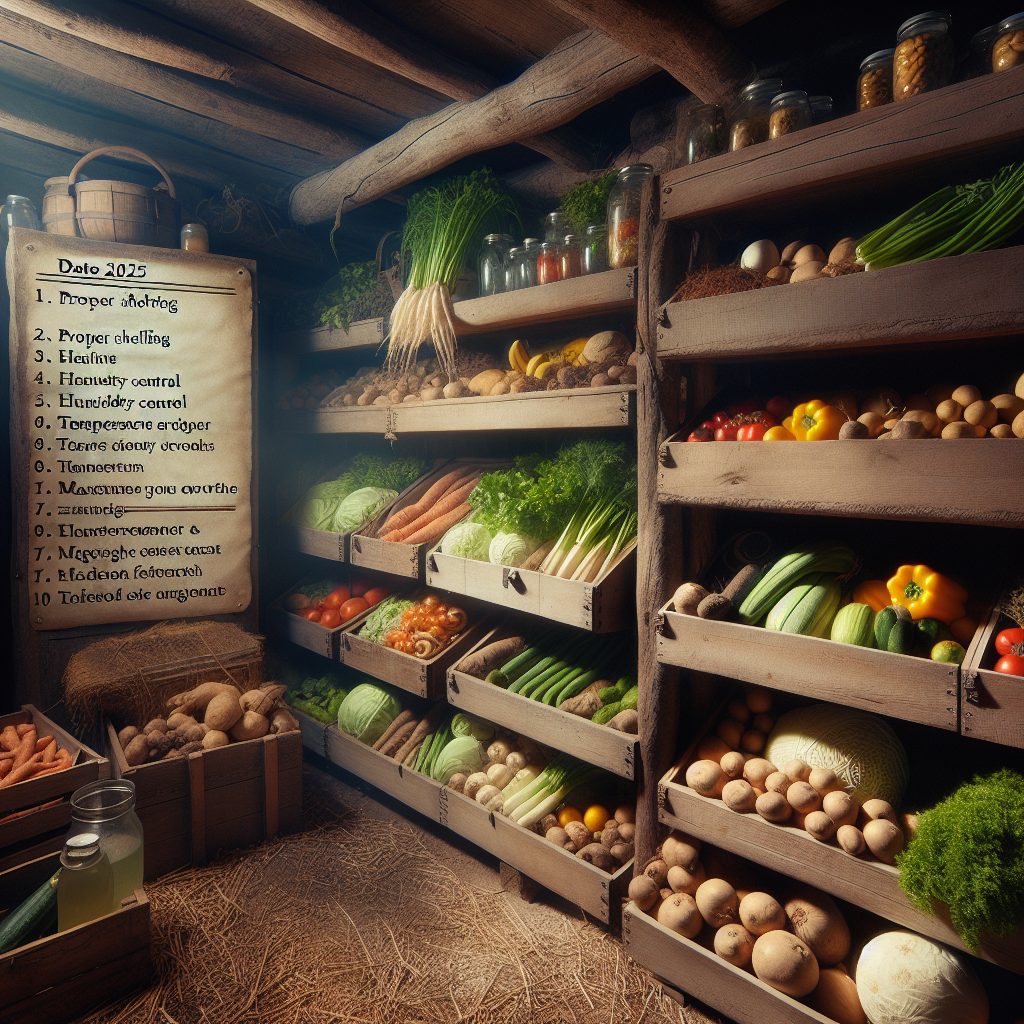
If you’re lucky enough to have a bountiful harvest, you may want to consider preserving some of your produce for later use. There are many methods for doing this, including freezing, canning, and drying. Choose the method that works best for the types of crops you grew and the amount of produce you have available. To store your produce long-term, consider using a root cellar or other storage facility designed specifically for fruits and vegetables.
All in all, home farming can be a rewarding experience both physically and mentally. By following these steps and taking care of your crops, you can enjoy delicious, fresh produce straight from your own backyard.
Popular Questions
How do you start choosing the right crops for your garden?
Begin by checking your garden’s sunlight, soil type, drainage, available space, and local growing season. Select crops that match those conditions instead of choosing only based on preference. Seed packets and local planting calendars can help you compare temperature, maturity time, and spacing needs.
What should you consider when choosing crops for a small garden?
Choose compact, vertical, or quick-growing plants when space is limited. Herbs, salad greens, bush beans, radishes, and cherry tomatoes can produce useful harvests without requiring a large bed. Plan the spacing carefully and use succession planting to grow more than one crop in the same area during the season.
How does your climate affect choosing the right crops for your garden?
Your climate determines which plants can tolerate local temperatures and how long they have to mature. Compare each crop’s days to maturity with the length of your frost-free season, and choose short-season varieties where necessary. Use a local planting calendar to time sowing and consider heat- or cold-tolerant cultivars for challenging conditions.
How can you choose garden crops your household will actually use?
List the vegetables, herbs, and fruits your household eats most often before buying seeds. Favor crops that are expensive or noticeably better when freshly harvested, such as salad greens, herbs, and tomatoes. Start with a manageable selection, then expand after you learn which plants grow well and get used regularly.