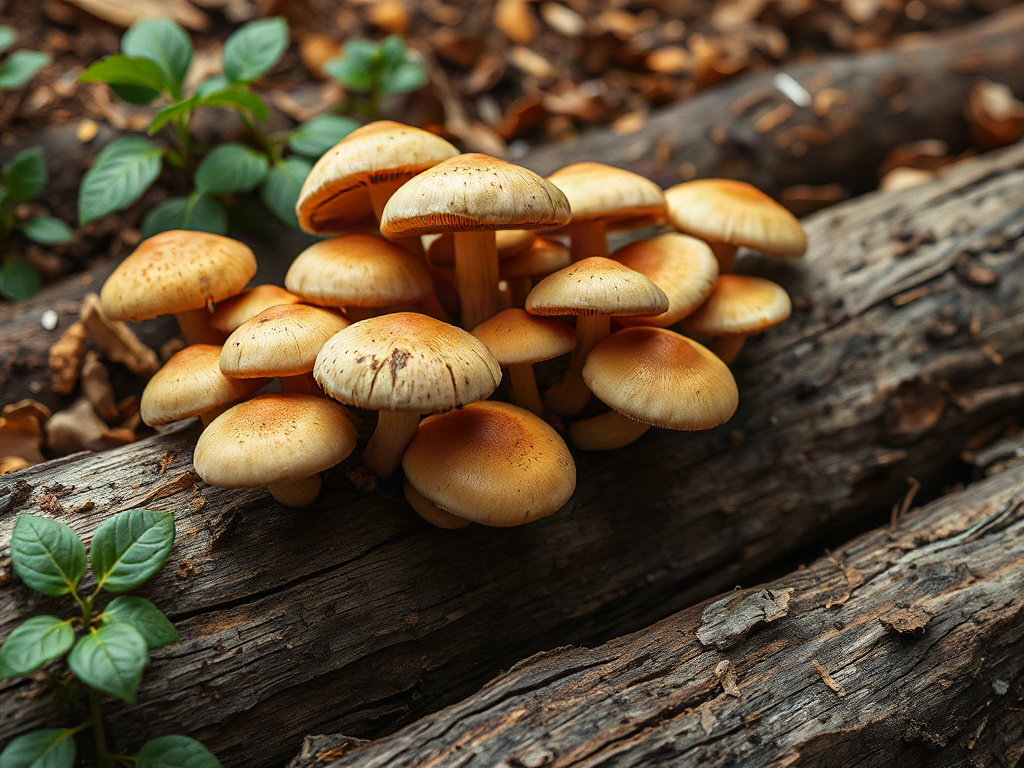
Shiitake mushroom farming succeeds on freshly cut hardwood logs outdoors or on supplemented sawdust blocks kept in a protected fruiting space. Logs cost less to manage and may produce seasonal harvests for several years, while sheltered blocks colonize and fruit faster but demand tighter humidity, airflow, temperature, and sanitation control. Inoculate clean substrate with shiitake spawn, protect it from drying during colonization, and trigger fruiting only after the mycelium has fully established. Poor hardwood selection, premature soaking, stagnant air, and excessively wet surfaces commonly reduce yields or invite competing molds.
Should You Grow Shiitake on Logs or Sheltered Blocks?
Logs and sawdust blocks suit different production goals. Hardwood logs are generally the better fit for a homestead with shade, patience, and limited climate-control equipment. Sheltered blocks are more appropriate when faster cropping, compact use of space, and a planned harvest schedule matter more than low operating complexity.
Shiitake naturally decomposes hardwood, but tree species, bark condition, and moisture retention affect how well a log supports the fungus. Dense hardwoods such as oak and sugar maple are commonly favored because they retain structure through repeated fruiting cycles. Other suitable hardwoods may work locally, but resinous conifers and unidentified wood are poor substitutions. Fresh logs should be sound, with intact bark and no visible fungal decay. A log already colonized by wild fungi forces the introduced shiitake culture to compete for the same food.
Log production has a slow establishment period. The mycelium must grow from each inoculation point through a large, solid piece of wood before mushrooms can form. Once established, however, a well-managed log may fruit in seasonal flushes over multiple years. A shaded woodland edge, open-sided shed, or shade-cloth structure can provide a workable production area without a sealed room. The tradeoff is variability: rainfall, heat, cold, and log moisture influence when each crop appears.
Sheltered blocks usually contain hardwood sawdust combined with nutritional supplements and formed into bags. Their small particles provide more accessible growing surface than intact wood, while supplementation accelerates growth. That speed also benefits contaminants. Sterile or properly heat-treated substrate, clean inoculation practices, and filtered bags are central to block production rather than optional refinements.
| Decision Factor | Hardwood Logs | Sheltered Blocks |
|---|---|---|
| Time to production | Slower establishment | Faster crop cycle |
| Infrastructure | Shade and water access | Clean preparation and controlled fruiting space |
| Harvest pattern | Seasonal and weather-influenced | More schedulable under controlled conditions |
| Main risk | Drying or competing wood fungi | Contamination and climate-control failures |
A beginner with suitable trees can learn the crop with a modest batch of logs before investing in an indoor system. A grower serving a regular market may prefer blocks because batches can be staggered. The common mistake is choosing blocks because they appear compact while underestimating the labor involved in substrate preparation, sanitation, humidification, ventilation, and rapid postharvest handling.
How Do You Inoculate Shiitake Logs and Blocks?
Successful inoculation places vigorous shiitake spawn throughout a clean food source before competing organisms become established. For logs, that means cutting healthy hardwood during dormancy or before heavy leaf growth, allowing excessive surface moisture to dissipate, and inoculating while the wood is still fresh. Long storage before inoculation increases moisture loss and gives wild fungi more time to enter.
Log growers commonly use plug spawn or sawdust spawn. Plug spawn is convenient for small projects because colonized wooden dowels fit drilled holes. Sawdust spawn can provide broad contact with the surrounding wood but requires an inoculation tool for efficient work. Holes are drilled in offset rows around the log, filled completely, and sealed with food-grade wax intended for mushroom log production. The seal limits moisture loss and covers vulnerable entry points; it does not compensate for loose spawn or an unsuitable log.
A practical log workflow is:
- Select and label the wood. Record tree species, cutting date, shiitake strain, and inoculation date.
- Drill to match the spawn. Use the diameter and depth specified by the spawn supplier rather than improvising oversized holes.
- Fill every hole promptly. Keep spawn shaded and clean while working, and avoid leaving drilled logs overnight.
- Seal exposed openings. Cover inoculation holes and obvious damaged areas without coating the entire bark surface.
- Move logs into incubation shade. Stack them where rain can reach them but sun and drying wind are limited.
Block inoculation requires a more controlled process. Hardwood sawdust and any supplement must be mixed to an appropriate moisture level, bagged, heat-treated, cooled fully, and inoculated with clean grain or sawdust spawn. Warm substrate can injure the culture, while an unclean workspace exposes nutrient-rich blocks to molds and bacteria. Commercial operations often use specialized sterile equipment; a homestead setup should not assume that ordinary kitchen cleanliness creates the same conditions.
Spawn strain also affects the production plan. Some strains are selected for broad outdoor temperature ranges, while others perform best within narrower fruiting conditions. Matching the strain to local seasons matters more than choosing one solely from a photograph or yield description. Keep one strain per clearly marked batch so differences in colonization and fruiting can be traced rather than guessed later.
What Conditions Produce Reliable Fruiting?
Colonization and fruiting are separate phases with different management priorities. During colonization, the goal is to preserve substrate moisture while giving shiitake mycelium enough time and suitable temperatures to occupy the wood or block. During fruiting, humidity, fresh air, light, and temperature changes guide the established culture toward mushroom formation.
Outdoor logs should remain shaded but not enclosed in stagnant plastic. Bark protects internal moisture, yet logs can still dry during extended hot or windy weather. Place stacks near a practical water source and check conditions beneath the bark or at log ends rather than judging only by a brief rain shower. Constant wetting is not desirable either. Waterlogged surroundings and poor airflow can encourage unwanted fungi and make routine inspection difficult.
Do not force logs merely because a calendar date has arrived. Colonization speed changes with log diameter, wood density, strain, inoculation rate, and weather. Signs of establishment may include pale mycelial growth at cut ends or around inoculation sites, but surface appearance alone is not proof that the whole log is ready. Forcing immature logs by soaking them can exhaust a partially established culture without producing a worthwhile flush.
Once logs are adequately colonized, growers often immerse them in cool water to encourage a coordinated fruiting response. They are then stood or leaned with room around the bark so emerging mushrooms are visible and air can circulate. A forced batch should be allowed to rest and rebuild between flushes. Rotating smaller groups is more sensible than forcing every log at once, especially when household consumption or market demand is limited.
Blocks follow a more visible progression. A colonized block becomes covered internally by white mycelium, then often develops a firmer, browned exterior before fruiting. The exact handling sequence depends on the strain and the supplier’s production instructions. Moving a block into fruiting conditions too early can produce weak or irregular mushrooms. Leaving loose plastic pressed against developing fruit can trap water and deform caps.
A sheltered fruiting area needs high relative humidity without persistent water films on mushrooms, regular fresh-air exchange, modest indirect light, and temperatures appropriate to the strain. Long stems, small caps, or mushrooms reaching strongly toward vents often indicate insufficient fresh air. Cracked caps and aborted pins may point to low humidity or abrupt drying. Condensation alone is not a humidity measurement; it can simply show that a cold surface is meeting warmer, moist air.
How Do You Diagnose Shiitake Production Problems?
Production problems are easiest to correct when records distinguish substrate failure from fruiting-room failure. Note inoculation dates, strain, wood species or block recipe, soaking dates, weather, harvest weight, and visible contamination. Without batch records, a dry log, an immature culture, and an unsuitable strain can all be mistaken for the same vague problem: no mushrooms.
Logs that fail to fruit may not be fully colonized, may have dried internally, or may contain competing fungi. First compare the failed logs with others from the same cutting and inoculation batch. Check whether bark has separated, whether end cracks are unusually deep, and whether unfamiliar fruiting bodies are emerging. Restoring shade and moisture may help a dry but living culture, but repeated soaking cannot revive severely degraded wood. Logs with extensive competitor growth should be separated so they can be observed without confusing the main production stack.
Green, black, orange, or strongly odorous growth on blocks deserves caution. Color alone cannot identify every organism, but rapid sporulating mold or sour, slimy areas are not normal shiitake development. Isolate suspect bags rather than opening them in the fruiting room, where spores can spread across shelves and equipment. A recurring pattern across one production run points toward substrate treatment, spawn quality, cooling, or inoculation hygiene. A problem limited to the fruiting surface may instead reflect standing water, damaged bags, or poor room sanitation.
Mushroom shape provides another diagnostic clue. Thick, well-formed caps with firm texture generally indicate a better balance of moisture and ventilation than stretched stems with undersized caps. Excessive fresh air can dry a small chamber quickly, while too little allows carbon dioxide and surface moisture to accumulate. Adjust one variable at a time. Increasing both humidification and ventilation simultaneously makes it difficult to identify which change solved or worsened the problem.
Harvest timing affects quality even when cultivation has gone well. Cut or twist mushrooms cleanly when caps have expanded to the desired stage but before they become overmature and fragile. Avoid leaving stem bases and damaged tissue pressed against a block. Cool harvested mushrooms promptly and keep them dry; washing before storage can shorten usable life if moisture remains on the caps.
The most costly misconception is that more water produces more mushrooms. Shiitake needs moisture inside its substrate and humid air during fruit development, not continuously saturated surfaces. Prioritize full colonization, stable substrate moisture, clean handling, and measured ventilation before adding more soaking or misting.
Frequently Asked Questions
Which hardwoods are suitable for shiitake logs?
Oak and sugar maple are widely used because their dense wood supports long production cycles. Other locally available hardwoods may work, but use sound, correctly identified wood and avoid resinous conifers or logs already showing decay.
Can shiitake logs be kept in full sun?
No. Direct sun and drying wind can remove moisture faster than the bark can protect it. Use deep natural shade, shade cloth, or an open shelter that preserves airflow while limiting heat exposure.
When is a shiitake log ready to soak?
Readiness varies by strain, wood species, log size, and weather. Follow the spawn supplier's expected colonization window and look for establishment around inoculation points or cut ends rather than soaking solely by date.
Why are block-grown shiitake stems long and caps small?
That shape often indicates inadequate fresh-air exchange during fruiting. Increase ventilation gradually while maintaining humidity, then observe the next developing flush rather than trying to reshape mature mushrooms.
Should contaminated shiitake blocks be opened outdoors?
Keep visibly moldy or foul-smelling blocks isolated and avoid opening them near production areas. Disposal choices depend on the material and local conditions, but preventing spores from spreading through the fruiting room is the immediate priority.
Conclusion
Choose logs when you have suitable hardwood, dependable shade, and time for a slower seasonal crop. Choose sheltered blocks when faster turnover justifies more exact sanitation, humidity, ventilation, and temperature management. Whichever system you use, treat colonization as a protected growth phase rather than rushing the substrate into fruiting.
Begin with a labeled trial batch and record wood species or block composition, strain, inoculation date, forcing dates, visible problems, and harvest results. Inspect moisture and contamination before reacting with extra water. If mushrooms develop poorly, change one environmental factor at a time and compare the next flush. Those records will show whether expansion should mean adding logs, improving the sheltered room, or correcting a repeatable weakness in substrate preparation.