Mini-Farms, Hobby Farms and Farmettes

Homesteading may include some back to basics life skills, but often it includes some form of farming at least on a small scale.

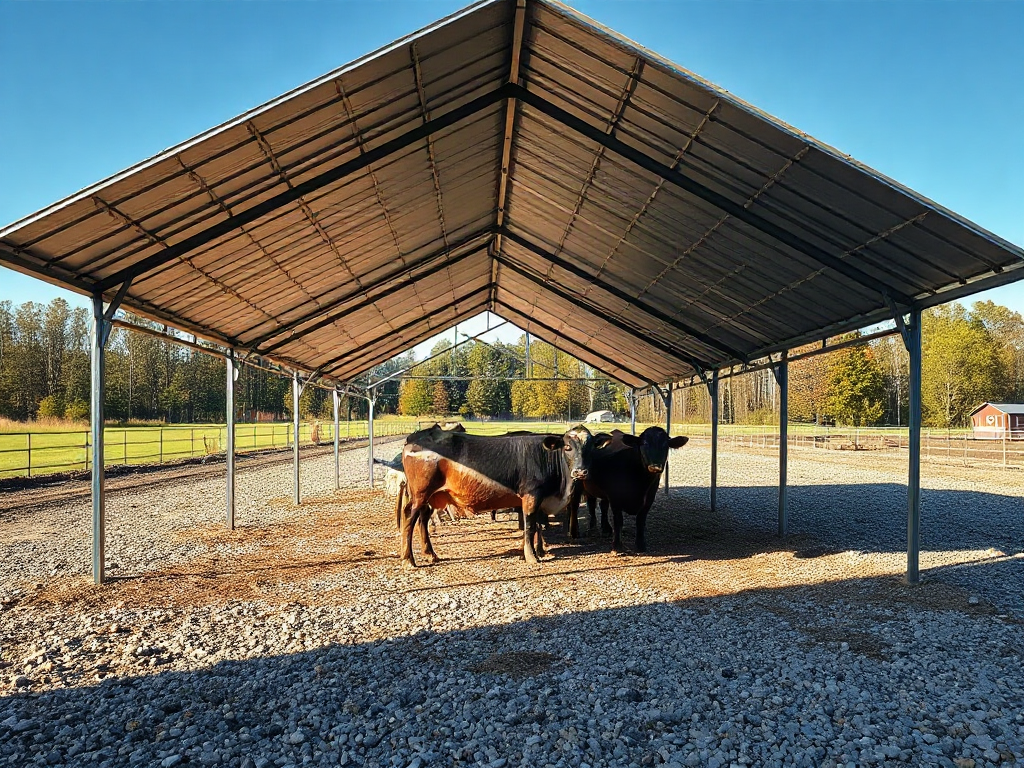
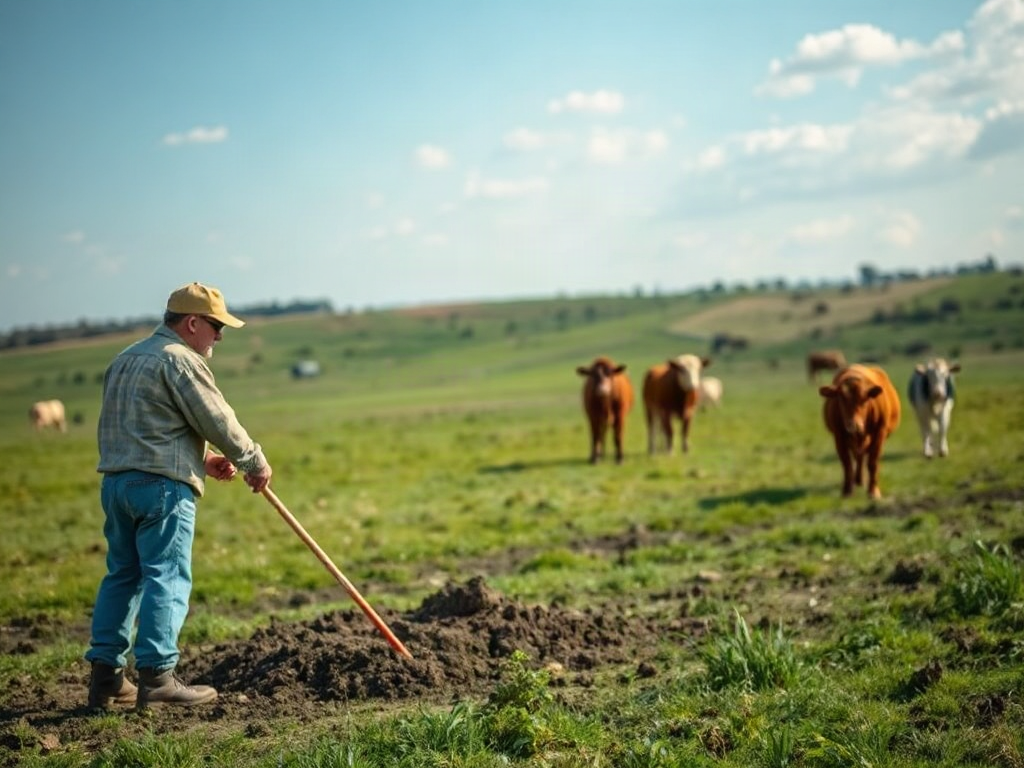
Open-sided livestock shelter on raised gravel with gutters, bracing, and adjustable curtains
Mini-Farms, Hobby Farms and Farmettes

Reliable Farm Shelter Designs for Changing Weather: Checklist

Reliable farm shelter designs for changing weather combine a site-specific foundation, continuous load path, durable roof, controlled ventilation, and adaptable openings rather than relying on one heavy structure. Place the shelter above runoff paths, orient openings away from prevailing cold winds, and provide drainage that carries roof water clear of foundations and animal areas.

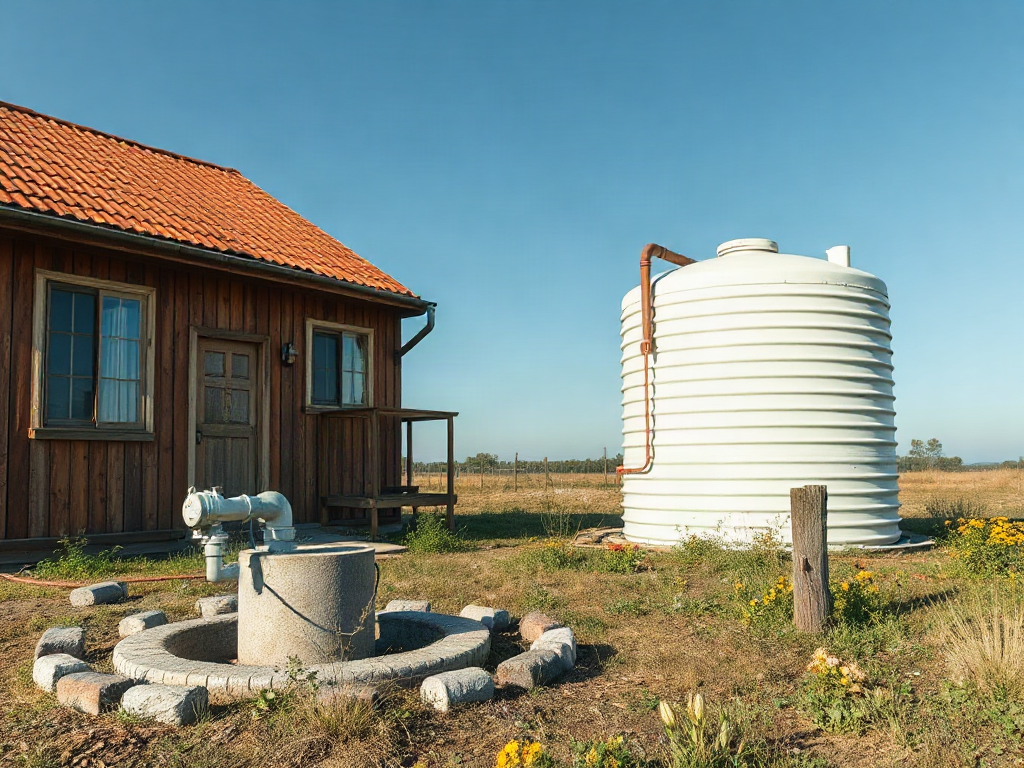
A wellhead and storage tank beside mapped house, barn, and garden sites
Mini-Farms, Hobby Farms and Farmettes

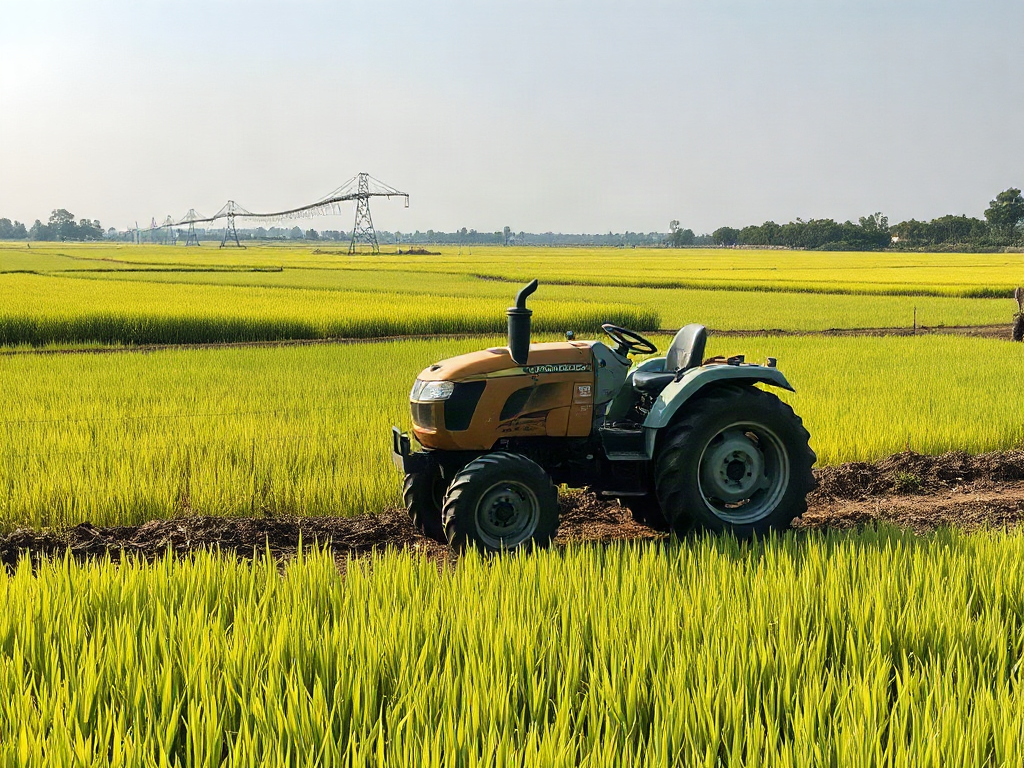
Water Source Planning Before Building a Homestead Farm

Water source planning before building a homestead farm means proving that a dependable supply can meet household, livestock, irrigation, and fire-protection needs before locating buildings or buying major equipment. Estimate peak daily demand, verify seasonal well or spring performance, test water quality, and map the elevation and distance between the…

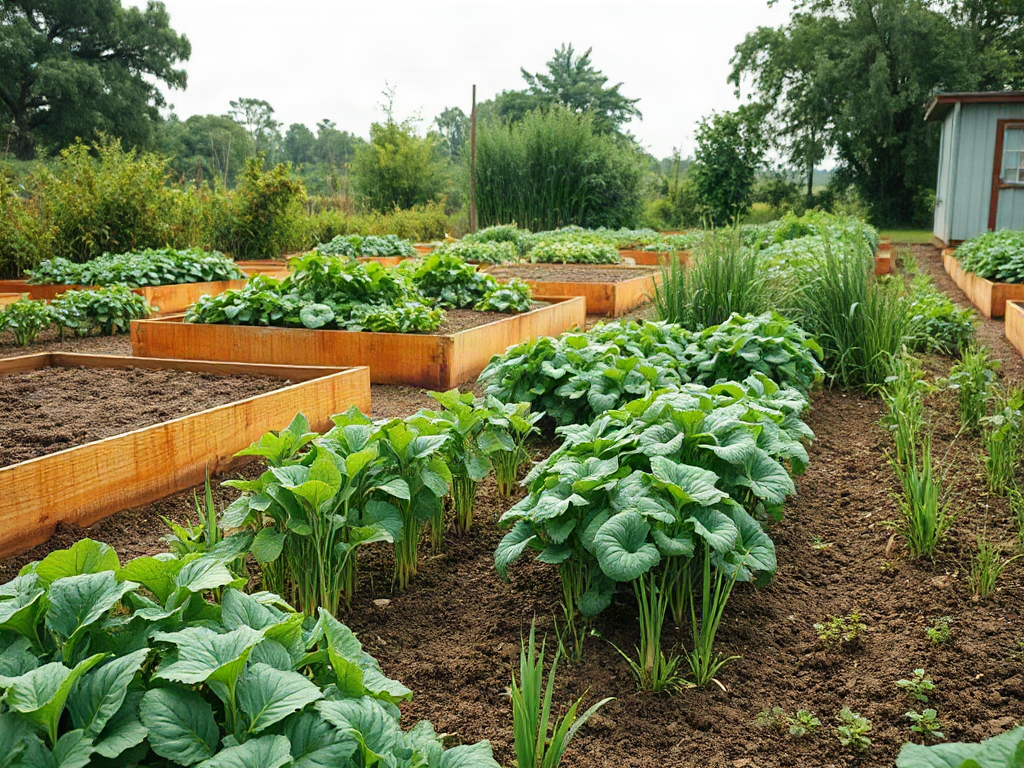
Arable farming explained for small field planning
Mini-Farms, Hobby Farms and Farmettes

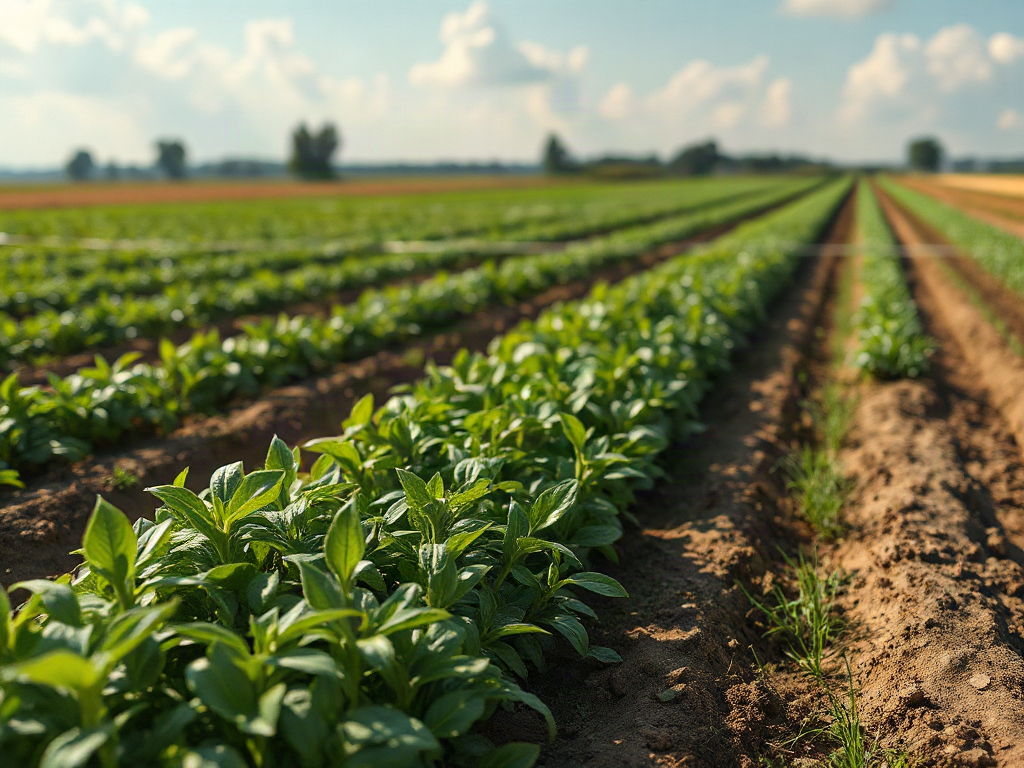
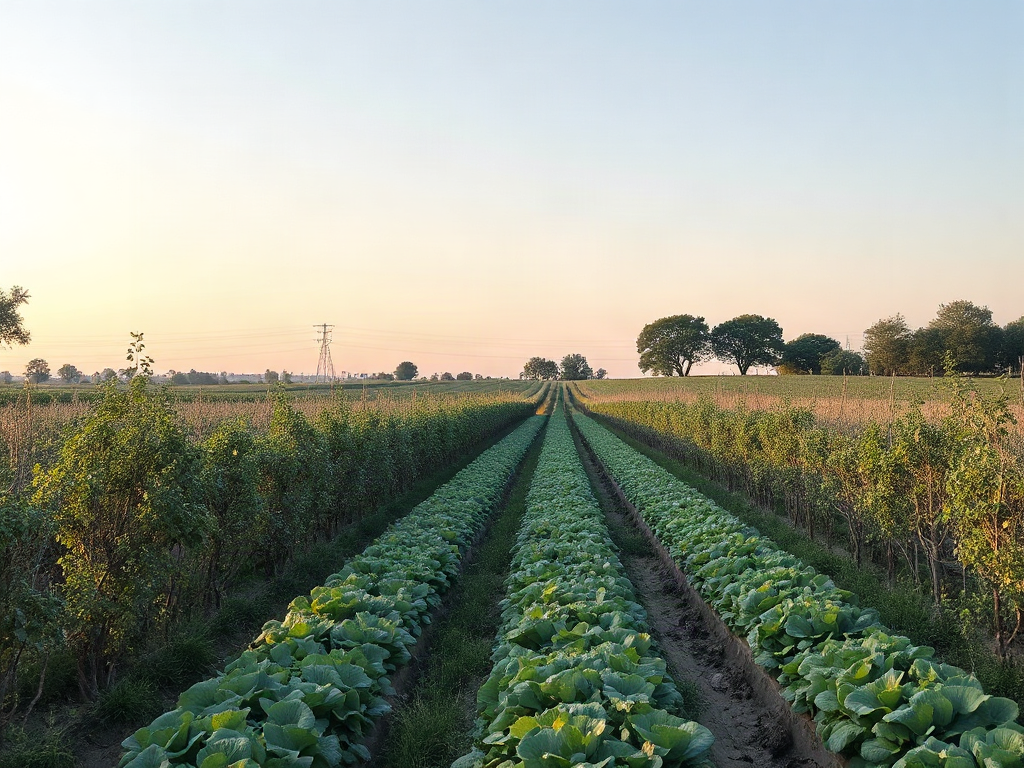
Arable Farming Explained for Small-Field Planning

Arable farming on a small field means producing annual crops by coordinating soil capability, crop rotation, access lanes, and workable machinery space within a limited area. Divide the land according to drainage and soil conditions rather than forcing equal plots, then assign crops according to planting dates, nutrient demand, weed pressure, and harvest access.

Scroll to Top